Author: Mark Martin – constantvpn.com

  • Asbestos killed my mum in her 40s – was her school to blame?

    Asbestos killed my mum in her 40s – was her school to blame?

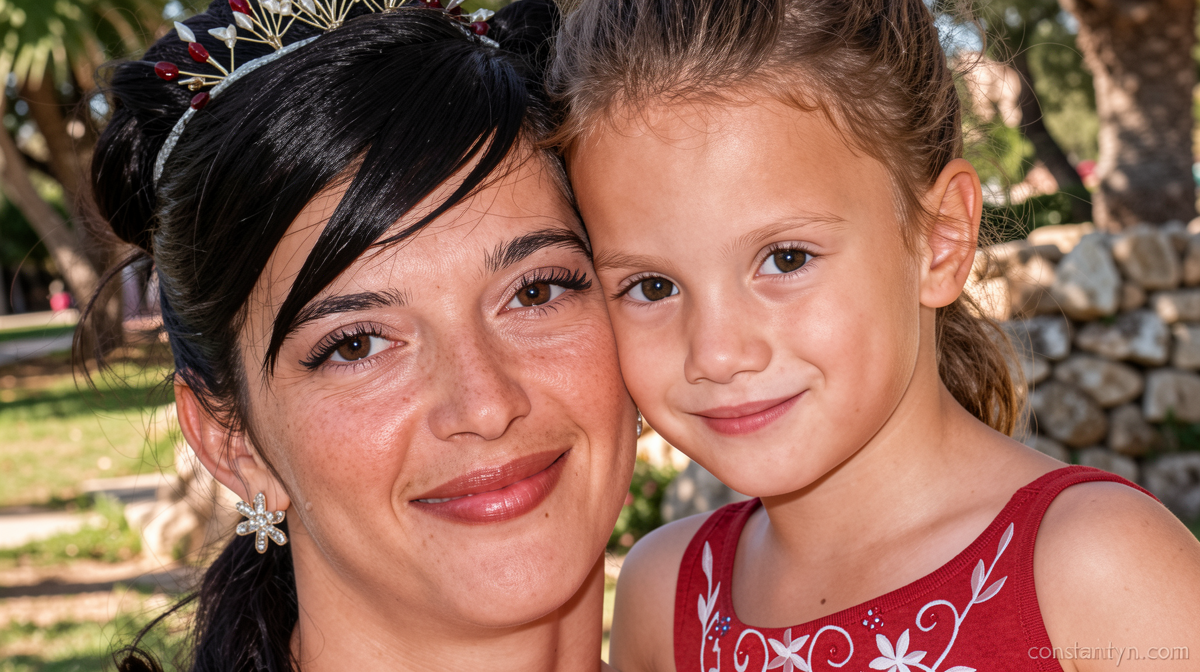
    A Teenager’s School Corridor, a Decade Later: How Asbestos Took a Mother at 46

    Constantvpn.com – Mesothelioma rarely announces itself with drama. More often it creeps in quietly — a persistent shortness of breath, a fatigue that no rest resolves — and by the time a diagnosis lands, the window for treatment is already closing. That was the trajectory for Caroline Bryan, a Cardiff mother who spent most of her adult years at home raising her daughter, Brooklyn. She was 45 when the breathing difficulties first surfaced. Three months after doctors confirmed the incurable cancer, she was gone, aged 46.

    What makes her case distinct from the thousands of mesothelioma deaths recorded across Britain each year is the suspected origin of the exposure: not a factory floor, not a shipyard, not a construction site, but a secondary school corridor in the early 1990s. Caroline’s family now believes the fibres she inhaled as a teenager at the old Fitzalan site in Cardiff were the seed of a disease that would claim her decades later. They are pursuing a High Court claim against Cardiff Council, the local authority that operated the school, with proceedings scheduled for early 2027.

    A Life Without Industrial Exposure

    Caroline Bryan’s working history offered no obvious pathway to asbestos. She was, by all accounts, a stay-at-home mother. The family had never occupied a property where asbestos-containing materials were a known feature. Brooklyn, now 26, has been explicit about this point:

    “She never had the sort of career that would have exposed her to asbestos. We never lived in any houses that would have had asbestos in.”

    It was only after the diagnosis that the family began tracing Caroline’s life backwards, searching for any plausible vector. The trail led them to her teenage years at Fitzalan High School, where she attended during the early 1990s. The building, which had housed roughly 1,800 pupils since 1964, was in what the family describes as poor physical condition during that period.

    “Mum mentioned that the building wasn’t in good condition. Things like ceiling tiles were broken. There was dust and debris when things were disturbed, though at the time she didn’t know what it was.”

    Council Documents and the Legal Case

    The family’s solicitors, Redkite Solicitors, have reviewed internal council records that, they say, confirm asbestos was deployed “quite extensively” across the Fitzalan site during the years Caroline was a pupil. Phillip Gower, representing the Bryan family, outlined the physical state of the premises:

    “The council’s own documents show that asbestos was used quite extensively in that school. The buildings were in pretty poor condition, with damage to the walls around the doors, the floor tiles, the ceiling tiles.”

    Cardiff Council has declined to comment on the specifics of the claim, stating it would be “inappropriate” to discuss legal proceedings in progress. A spokesperson did, however, acknowledge the “devastating impact” mesothelioma has on patients and their families, and added that the management of asbestos in council buildings, including schools, is “taken extremely seriously.”

    The Personal Cost

    For Brooklyn, the diagnosis did not merely remove a parent; it dismantled the architecture of her daily life almost overnight. She was 23 when her mother died.

    “Suddenly, I had to take over everything—running the house, paying bills, cooking, cleaning. She had always looked after me, so I wasn’t used to doing those things. I was essentially forced into adulthood overnight. It was very difficult.”

    Caroline, Brooklyn recalls, was a “kind and caring person” who would go “above and beyond for anybody.” Before her death, she instructed a solicitor herself, driven not only by a desire for personal accountability but by a wish to prevent the next family from facing the same silence.

    “Before she passed, she contacted a solicitor. She wanted justice—not just for herself, but to stop anyone else going through the same thing.”

    Now Brooklyn carries that mandate forward. “Losing your mum, who is your main support system, at that age is incredibly hard,” she said. “Now she’s gone, I feel I have to continue this [fight] for her.”

    Asbestos in Welsh Schools: The Wider Picture

    Caroline’s case sits within a broader structural problem. Asbestos was a standard building material across Britain until its carcinogenic properties were fully understood and it was banned in the UK in 1999. Because of its durability, most pre-2000 buildings — including the vast majority of schools — still contain asbestos-containing materials (ACMs). Regulations require local authorities to inspect these materials regularly, confirming they remain intact and are not releasing microscopic fibres into occupied air.

    A Freedom of Information exercise covering 20 of Wales’ 22 local authorities revealed that 76 per cent of primary schools and 81 per cent of secondary schools retain ACMs somewhere on their sites. That means the majority of Welsh pupils, at some point in their schooling, share a building with asbestos. The critical variable is condition: well-managed, undisturbed ACMs pose minimal risk, but damaged tiles, crumbling wall linings, and disturbed debris can liberate fibres that lodge permanently in lung tissue, where they may trigger mesothelioma after a latency period of two to fifty years.

    Caroline Bryan’s exposure, if proven, would have occurred roughly thirty years before her diagnosis — squarely within that latency window. Her case, when heard in early 2027, will test whether the council that maintained the Fitzalan site met its statutory duty to keep asbestos in safe condition while teenagers occupied the building daily.

    For the Bryan family, the outcome will determine whether a mother’s premature death is met with institutional accountability or absorbed into the long, quiet ledger of asbestos-related fatalities that has claimed tens of thousands of British lives since the material first entered construction in the early twentieth century.

    Frequently Asked Questions

    What is Asbestos killed my mum in her 40s?

    Asbestos killed my mum in her 40s is the main topic of this guide. The article explains the context, practical details, and next steps readers should understand.

    Why does Asbestos killed my mum in her 40s matter?

    Asbestos killed my mum in her 40s matters because readers are looking for a useful answer, not just a short summary. Good content should match search intent and help them decide what to do next.

  • CIA chief travels to Moscow for unannounced talks, US media reports

    CIA chief travels to Moscow for unannounced talks, US media reports

    CIA Director Makes Surprise Moscow Visit Amid Stalled Ukraine Peace Efforts

    Constantvpn.com – John Ratcliffe, director of the United States Central Intelligence Agency, touched down in Moscow on Tuesday aboard a military transport aircraft for what appears to be his first trip to Russia since assuming the top intelligence post. The visit, which neither the White House nor the Kremlin had publicly announced beforehand, has drawn immediate attention given how infrequently senior American and Russian officials now meet face to face.

    The timing of the trip lands squarely in the middle of a diplomatic impasse. US-brokered peace negotiations between Moscow and Kyiv have ground to a halt, and speculation has swirled around recent drone activity over German airspace that some analysts have linked to Russian operations. Against that backdrop, an unannounced, short-notice dispatch of one of Washington’s most senior intelligence figures to the Russian capital carries weight well beyond routine protocol.

    The Flight and Its Footprint

    Flight-tracking records confirmed that a large US military aircraft — identified from social media footage as a C-17 transport plane — departed Riga airport in Latvia at 05:50 GMT on Tuesday and appeared to land at Moscow’s Vnukovo international airport at approximately 07:04 GMT. The aircraft returned to Riga shortly before 17:00 GMT, suggesting a working-day visit of roughly nine hours. Video posted online showed the plane on its final approach into the Russian capital, while separate clips purported to capture a diplomatic motorcade moving through Moscow streets.

    Neither Washington nor Moscow issued a statement confirming the purpose of the trip or identifying who Ratcliffe was scheduled to meet. The CIA, the White House, and the Pentagon were all contacted for comment ahead of publication.

    What the Visit Might Address

    John Foreman, who served as the British military attaché in Moscow from 2019 to 2022, spoke on Radio 4’s PM programme about the unusual nature of the dispatch. He noted that the trip could centre on what he called “escalation management,” particularly in light of questions surrounding recent drone activity detected over Germany.

    “The Americans don’t normally send such a high ranking official to Moscow unannounced at short notice unless something is up.”

    Foreman also pointed to the possibility that Ratcliffe’s agenda included discussions about American citizens currently detained in Russia. That file has been a recurring thread in bilateral intelligence-to-intelligence contact, and Ratcliffe himself has been personally involved in past release negotiations.

    A Track Record in Prisoner Diplomacy

    The CIA’s role in securing the freedom of Americans held in Russia is not new. Ratcliffe played a part in negotiations that led to the release of Ksenia Karelina, a Russian-American citizen who spent more than a year behind bars after being accused of providing support to Ukraine. More broadly, the agency was involved in a 2024 prisoner-swap arrangement with Moscow that brought home Wall Street Journal reporter Evan Gershkovich, former US Marine Paul Whelan, and Russian-American journalist Alsu Kurmasheva.

    Those exchanges, while individually significant, did not translate into a broader thaw. Since Russia launched its full-scale invasion of Ukraine in February 2022, Washington and Moscow have operated in a state of deep institutional estrangement. Russia has been progressively isolated on the international stage and subjected to sweeping economic sanctions, while the US has maintained a sustained military and financial commitment to Kyiv.

    Where This Fits in the Broader Diplomatic Picture

    Ratcliffe appears to be among the highest-ranking American officials to set foot in Russia during President Donald Trump’s second term. Trump himself met Russian President Vladimir Putin at a summit in Alaska last year, but that encounter produced no breakthrough on the war. Subsequent US-led peace talks between the two sides have since stalled, leaving a diplomatic vacuum that intelligence channels may now be attempting to fill.

    The rarity of such high-level, in-person contact between American and Russian officials makes any unannounced visit newsworthy in itself. In peacetime decades, CIA directors and their counterparts in Moscow met regularly, often without public fanfare. Today, the mere fact that a C-17 crossed from Western Europe into Russian airspace — and that a motorcade was spotted in the capital — signals that back-channel communication remains active even as formal diplomacy sits frozen.

    Whether the Tuesday visit yields any tangible outcome, from a prisoner release to a framework for managing incidents in European airspace, remains to be seen. What is clear is that both sides still find value in keeping a direct line open, however discreet, between their intelligence services.

    Frequently Asked Questions

    What is CIA chief travels to Moscow for unannounced?

    CIA chief travels to Moscow for unannounced is the main topic of this guide. The article explains the context, practical details, and next steps readers should understand.

    Why does CIA chief travels to Moscow for unannounced matter?

    CIA chief travels to Moscow for unannounced matters because readers are looking for a useful answer, not just a short summary. Good content should match search intent and help them decide what to do next.
  • Father’s house rammed before son died in A66 crash

    Father’s house rammed before son died in A66 crash

    Teenager’s Father’s Home Was Targeted Minutes Before Fatal A66 Collision

    Constantvpn.com – In the hours before a devastating wrong-way collision claimed the lives of five young men and two police officers on the A66 near Middlesbrough, a car had already struck the family home of one of the teenagers who would later die in the crash. Cole Worthy, 17, was among the victims when a Volkswagen Passat, travelling the wrong direction along the dual carriageway, struck a Cleveland Police armed response vehicle at 03:39 BST on Saturday.

    The discovery that Worthy’s father’s property had been rammed shortly before the fatal impact has added a deeply personal dimension to an already harrowing incident. Police confirmed they are linking the movements of two vehicles — the Passat and a Volvo XC60 — in the minutes preceding the collision. Multiple reports had reached officers of cars driving dangerously through the town, and the XC60 was observed striking residential properties. After his father’s home was hit, Worthy and four companions reportedly set out in the Passat, beginning the sequence of events that ended in tragedy.

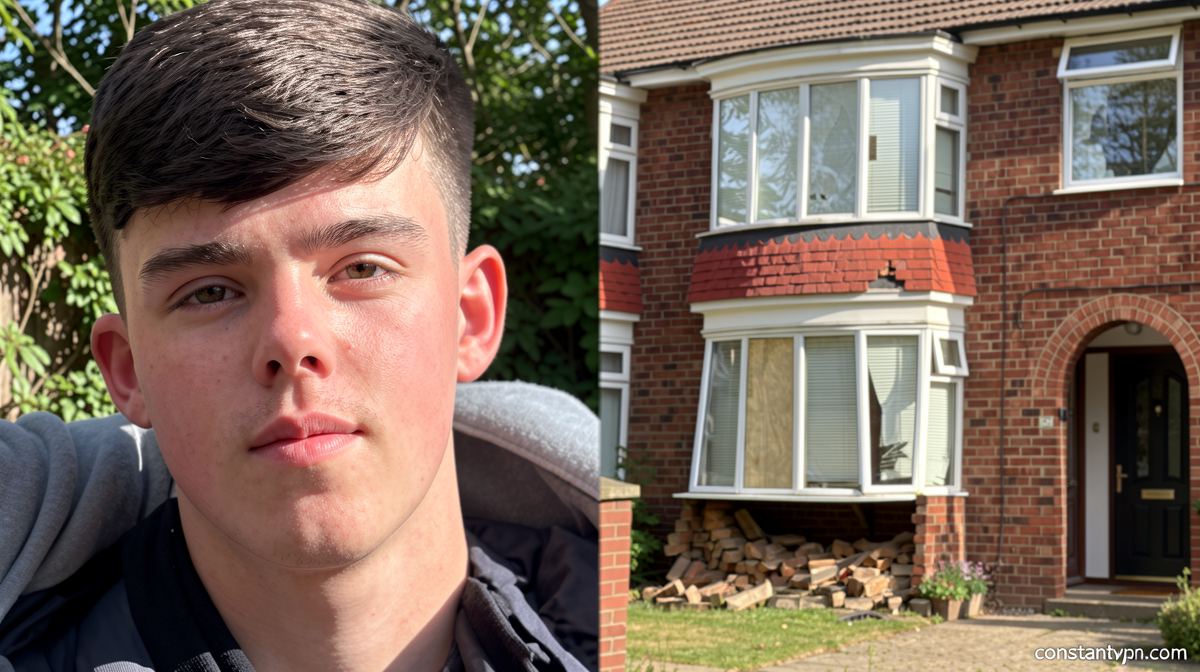
    Authorities have stressed there is no suggestion that Worthy’s father was involved in any criminal activity. The rammed property is a red-brick semi-detached house situated on a quiet residential street in Acklam, a suburb of Middlesbrough. Neighbours described the scene in the aftermath: the downstairs bay window had been shattered, with bricks scattered across the pavement beneath, while an upstairs bedroom window was also broken. One resident, who asked not to be identified, recalled hearing loud bangs at approximately two in the morning on Saturday. Another noted that the street remained saturated with police presence throughout the weekend.

    The Crash and Its Victims

    The collision killed seven people in total. Alongside Worthy, the other four young men who died were Michael Robert Cahill, 23; Jacob Matusiak, 23; Makai Saddington, 18; and Theo Rae, 17. Two serving officers also lost their lives: PC Tom Clough, 38, and PC Matthew Blades, 37, both members of Cleveland Police’s armed response unit.

    The Independent Office for Police Conduct later confirmed that officers had been pursuing the Passat for nearly seven minutes after it was connected to earlier alleged criminal activity. The pursuit was abandoned just ten seconds before the crash, at the moment the vehicle turned onto the dual carriageway. Both the Passat and the police vehicle were operating with cloned number plates, though automated number plate recognition technology identified them during the chase.

    Investigation and Arrests

    The investigation into the lead-up to the crash has expanded rapidly. Seventeen people have been arrested to date, with two formally charged. On Monday, nine men and three women — aged between 18 and 61 — were detained across Teesside on a range of offences, including possession of a firearm and membership of an organised crime group. Two men were subsequently charged: one with possession of a firearm with intent to endanger life, and another with possession with intent to supply class A and class B drugs alongside possession of criminal property.

    On Tuesday, Cleveland Police announced five further arrests. Among those detained were a 16-year-old boy and two men aged 18 and 21, held on suspicion of participating in an organised crime group. A 55-year-old man was arrested on suspicion of assisting an offender, and a 23-year-old man on suspicion of making threats to kill. All five remained in custody at the time of reporting.

    Earlier Detentions

    Among those previously brought in as part of the inquiry were three men, aged 24, 19, and 35, all held on suspicion of organised crime participation and possession of an offensive weapon. A 21-year-old man was detained on suspicion of organised crime, offensive weapon possession, and criminal damage, and was remanded on recall to prison. A 30-year-old woman was arrested on suspicion of assisting an offender. A 20-year-old man faced suspicion of threats to cause criminal damage and public order offences. A 26-year-old man was charged with possession with intent to supply class A drugs and possession of criminal property, and was remanded ahead of his next court hearing.

    Two others — a 39-year-old man and a 47-year-old woman — were released on conditional bail after being arrested on suspicion of possessing a firearm without a certificate, possession with intent to supply class A and class B drugs, and possession of class C drugs. An 18-year-old man was released on unconditional bail following similar charges. A 61-year-old woman was released on conditional bail after being arrested on suspicion of possessing a firearm without a certificate.

    Community Impact

    The A66 is a major arterial route serving Teesside, connecting Middlesbrough with Hartlepool and the wider North East corridor. A fatal collision of this scale on a dual carriageway at close to four in the morning has left the local community reeling. The fact that one of the victims’ own family homes was struck in the minutes before the crash has intensified grief and raised questions about the sequence of events that night. Neighbours in Acklam described a weekend dominated by police activity, with officers remaining at the scene of the rammed house for extended periods.

    Security footage from a separate property on Lime Road in Middlesbrough appears to show a car being pursued by police vehicles roughly three minutes before the crash, offering a visual record of the final moments of the chase. The investigation continues, with Cleveland Police working to establish the full chain of events linking the two vehicles and the individuals involved.

    Frequently Asked Questions

    What is Father s house rammed before son died?

    Father s house rammed before son died is the main topic of this guide. The article explains the context, practical details, and next steps readers should understand.

    Why does Father s house rammed before son died matter?

    Father s house rammed before son died matters because readers are looking for a useful answer, not just a short summary. Good content should match search intent and help them decide what to do next.
  • UK missiles offer may help Ukraine – but they are not what Zelensky needs most

    UK missiles offer may help Ukraine – but they are not what Zelensky needs most

    Blueprints, Not Bullets: What Ukraine Gains — and Still Lacks — From London’s Missile Gesture

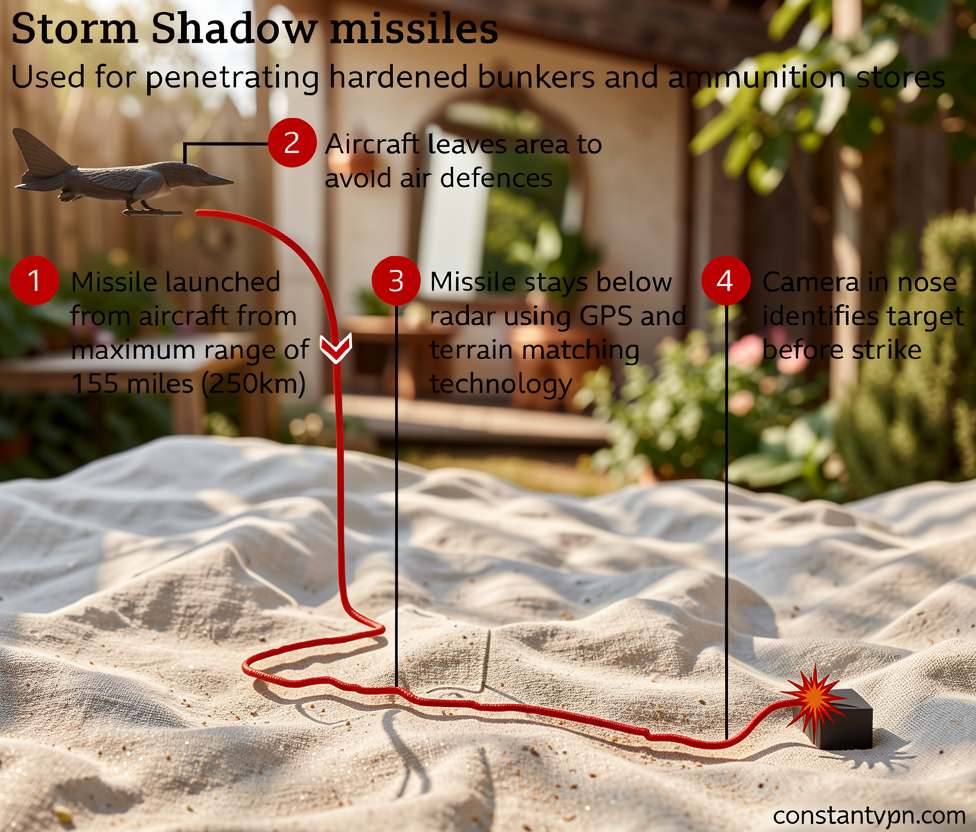
    Constantvpn.com – When Prime Minister Andy Burnham sat down with President Volodymyr Zelensky in Kyiv on Monday, the headline announcement was the transfer of classified design documentation for the Storm Shadow cruise missile. France had already made a comparable offer regarding its SCALP variant, so the British move completes a paired gesture: two NATO partners opening their engineering files so that Ukrainian factories can assemble the weapons domestically. The symbolism is unmistakable. Western governments are willing to part with proprietary know-how, not merely finished hardware.

    Yet the gesture, however meaningful, does not translate into an immediate shift on the battlefield. Storm Shadow and SCALP are not new systems. They were conceived in the 1990s as joint British-French projects under the MBDA umbrella, and they have already been delivered to Kyiv in meaningful numbers. Ukrainian crews have used them to strike military targets deep inside Russian territory. What changes now is the prospect of local assembly rather than continued dependence on Western production lines.

    The Practical Bottleneck

    Each Storm Shadow costs roughly £1 million. The missiles depend on intricate global supply chains for components, and they were manufactured during decades of relative peace at modest annual volumes — in the hundreds, not the thousands. Even with full blueprints in hand, Ukrainian engineers face the unglamorous task of sourcing every sub-component, calibrating assembly tolerances, and passing quality-control gates. Months, perhaps years, could elapse before a domestically assembled cruise missile leaves the factory floor.

    The lesson is not new. In 2021, General Ben Hodges, then commanding US Army Europe, noted that in a NATO wargame the British force exhausted its key long-range munitions within days. The episode crystallised a uncomfortable truth: small-batch, high-cost precision weapons designed for peacetime deterrence collapse under sustained combat attrition. Copying Western peacetime production methods is, in itself, no pathway to winning a prolonged war.

    Project Brakestop: London’s Own Pivot

    Tellingly, the British military has stopped purchasing Storm Shadow for its own inventory. Under Project Brakestop, the UK is developing a domestically sourced long-range cruise missile that carries fewer foreign components and costs less than half the price of its predecessor. The programme is being executed at extraordinary speed; London expects a serviceable weapon by the close of this year and has pledged to supply the new system to Ukraine as well. The old missile becomes a bridge; the new one is meant to be the destination.

    What Ukraine Has Already Proven

    The war has inverted a long-standing assumption about who teaches whom in weapons manufacturing. At the outset, Ukrainian forces leaned heavily on Cold War-era Soviet stockpiles. A slow trickle of Western deliveries helped them adapt. Today, however, Kyiv produces roughly 70 percent of its own munitions. The most visible example is the drone programme: from small first-person-view one-way attack drones saturating the front line to larger long-range platforms that penetrate deeper into Russian territory than a Storm Shadow can reach. Ukraine is on track to build ten million drones by year’s end, and it does so at lower unit cost than Western equivalents by incorporating mass-produced Chinese components — a choice NATO allies, wary of supply-chain exposure, tend to avoid.

    NATO’s comparable drones can cost twice as much. The point is not that Western engineering is inferior; it is that wartime economies tolerate different trade-offs than peacetime procurement regimes.

    The Gap That Blueprints Cannot Fill

    There remain categories of weaponry that Ukraine desperately needs and cannot yet replicate at scale. The most acute shortfall is air-defence interceptors capable of shooting down Russian ballistic missiles. The single most effective tool for that task is the American-made Patriot interceptor. Ukraine has nearly exhausted its Patriot stock, and Russian ballistic missiles now punch through Ukrainian air defences with increasing regularity. The US war in Iran has tightened global Patriot availability further.

    Each Patriot interceptor costs approximately £3 million, and production has historically been slow. Washington plans to roughly double annual output from around 600 units to 2,000, but that ramp-up will consume several years. President Donald Trump signalled last month that he would be open to sharing Patriot technology with Ukraine, then walked back the remark. Even had approval been granted, Ukrainian factories would require considerable time before a domestically produced interceptor could enter service.

    Expert Perspective

    “The decision to share UK classified information on the MBDA SCALP missiles with Ukraine, as France and Ukraine work toward local assembly lines in Ukraine, is notable. Any impact, however, will in part depend on how quickly Ukrainian assembled SCALP cruise missiles can be introduced into service. Given that Ukraine has already operated both Storm Shadow and SCALP, familiarity with the missile may help speed the overall process, but this will also be dependent on the extent and pace at which local assembly can be established.” — Douglas Barrie, Senior Fellow for Military Aerospace, International Institute for Strategic Studies

    Barrie’s caution underscores the central tension: the blueprint handover is a necessary step, not a sufficient one. It signals political commitment and opens a path toward industrial self-sufficiency in cruise-missile production. But the war’s most pressing vulnerability — the inability to reliably intercept ballistic missiles raining down on cities and command centres — demands a different solution, one that no amount of Storm Shadow documentation can provide. Until Patriot-level interceptors arrive in volume, or until Ukraine develops a credible domestic equivalent, the air-defence gap will remain the single most consequential constraint on Kyiv’s ability to protect its population and sustain its war effort.

    Frequently Asked Questions

    What is UK missiles offer may help Ukraine?

    UK missiles offer may help Ukraine is the main topic of this guide. The article explains the context, practical details, and next steps readers should understand.

    Why does UK missiles offer may help Ukraine matter?

    UK missiles offer may help Ukraine matters because readers are looking for a useful answer, not just a short summary. Good content should match search intent and help them decide what to do next.
  • Snooker champion Graeme Dott guilty of child sex abuse

    Snooker champion Graeme Dott guilty of child sex abuse

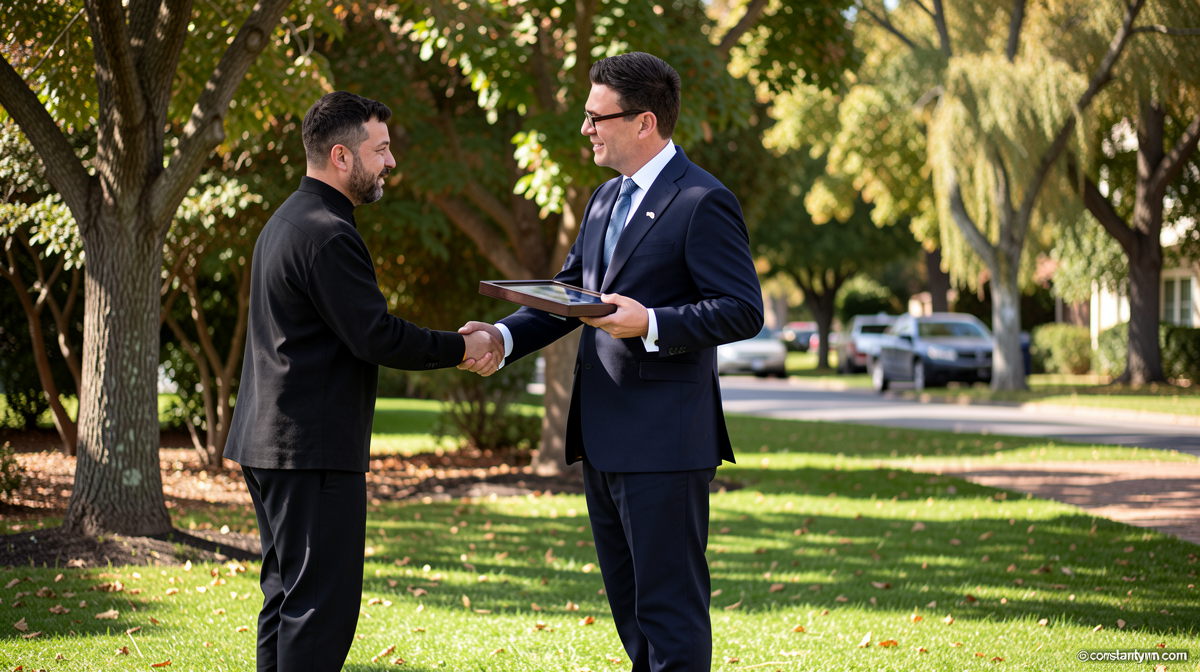
    Constantvpn.com – Graeme Dott was found guilty of two charges at the High Court in Glasgow Former world snooker champion Graeme Dott has been found guilty of child sexual abuse. The 49-year-old denied two charges of lewd and libidinous behaviour towards a girl and a boy between 1993 and 2010. During a trial, the High Court in Glasgow heard that Dott had exposed himself and inappropriately touched a primary school girl in the 1990s and attacked a young boy between 2006 and 2010.

    Lord Harrower told Dott, who won the World Snooker Championship in 2006, he would be sentenced at a separate hearing in Edinburgh on 29 September. Dott, from Glasgow, covered his face with his hands and shook his head while the verdict was delivered by jurors following a five-day trial. He previously called the allegations made against him "disgusting".

    Dott won the world championship title in 2006 Lewd and libidinous practices refer to any sexual crimes against children committed prior to 1 December 2010. The offence was abolished in 2009, but is still used for crimes carried out before then. During the trial, the court heard how Dott had "caressed" the girl's bottom while giving her a piggyback and that, on another occasion, he had exposed himself to her.

    On another occasion, she said Dott suggested she "take her trousers down" and lifted her top and began kissing her stomach after asking if she wanted to "play a guessing game". The girl, now a woman in her 40s, said Dott would kiss her, touch her inappropriately and carried out a sexual act that would, if committed now, amount to rape. She said she recalled the "smell" of creams Dott used for a skin condition after he kissed her and that the actions left her "shocked and scared".

    The court heard how Dott bought her a teddy bear with a love heart on it in the course of the abuse. Police previously contacted Dott about the allegations in 2001, but no charges were brought. The woman gave a new statement to police in 2025.

    During his evidence, the boy said his abuse at the hands of Dott began not long after he defeated Peter Ebdon to win his sole world title at The Crucible in Sheffield in 2006. The boy, now a man in his 20s, said he was about eight years old when Dott molested him in a shower at a home in South Lanarkshire. He told the court how Dott "rewarded" him with crisps and fizzy drinks and once handed him a £50 note, only to accuse the boy of stealing it when his parents found out he had the money.

    He also said he was abused in a car on a number of occasions and "inappropriately touched" while Dott played online poker. Snooker champion Graeme Dott guilty of child sex abuse Dott had told the trial the allegations were false and that he had "never acted inappropriately with anyone". Det Insp Gary Smillie, of Police Scotland, described Dott as a "dangerous individual".

    He added: "I hope this conviction provides some measure of comfort to those impacted by his crimes. "His conviction is as a direct result of their strength in coming forward and providing information which assisted our inquiries." Lord Harrower was told the woman had provided a victim impact statement for him to consider before sentencing next month. Dott was taken into custody until then.

    The World Professional Billiards and Snooker Association (WPBSA) said it had permanently revoked Dott's membership with immediate effect. This followed an emergency board meeting board where it was unanimously agreed to removed him from the sport. The WPBSA has also written to World Snooker Tour (WST) to request his immediate removal from the WST Hall of Fame.

    Dott was previously suspended from all professional snooker activities on 9 April 2025 pending the outcome of his trial. He was subsequently relegated from the professional ranking list at the conclusion of the 2025/26 season. Child abuse accusations 'disgusting', Snooker champion Dott tells trial Snooker champion Dott told boy to stay out while in room with girl, jury told

    Frequently Asked Questions

    What is Snooker champion Graeme Dott guilty of child?

    Snooker champion Graeme Dott guilty of child is the main topic of this guide. The article explains the context, practical details, and next steps readers should understand.

    Why does Snooker champion Graeme Dott guilty of child matter?

    Snooker champion Graeme Dott guilty of child matters because readers are looking for a useful answer, not just a short summary. Good content should match search intent and help them decide what to do next.

  • Burnham vows support for Ukraine despite ‘outrageous threats’ from Russia

    Burnham vows support for Ukraine despite ‘outrageous threats’ from Russia

    UK Shares Storm Shadow Missile Blueprints with Ukraine as Burnham Leads First Coalition Summit in Kyiv

    Constantvpn.com – The decision to hand Ukraine the technical drawings for British-built components used in the Scalp cruise missile marks a significant escalation in Western military-industrial cooperation with Kyiv. The Scalp is the French-manufactured variant of Britain’s Storm Shadow long-range precision weapon, and by transferring the component blueprints, London is enabling Ukraine to manufacture the system domestically rather than relying entirely on allied deliveries. Prime Minister Andy Burnham made the announcement during his inaugural official trip to Kyiv as head of government, a visit that also saw him chair the first sitting of the so-called “coalition of the willing,” a multilateral framework originally established by the UK and France under his predecessor, Sir Keir Starmer.

    Coalition of the Willing: 34 Nations Convene

    The coalition now encompasses 34 member states, including Ukraine itself. On Monday, leaders gathered either in person in Kyiv or via video link, issuing a joint communiqué reaffirming their commitment to Ukrainian sovereignty. Burnham sat alongside French President Emmanuel Macron and German Chancellor Friedrich Merz as co-chairs of the session. Their joint statement declared that strengthening Kyiv’s air-defence capabilities would be treated as “a matter of urgent priority,” while condemning what they described as Moscow’s “systemic and escalating strikes against Ukraine’s cities, critical infrastructure and civilians.” The trio also pledged to tighten economic constraints on Russia through sanctions and targeted measures aimed at the country’s shadow fleet of vessels.

    Burnham framed the coalition’s work in blunt operational terms, telling reporters that allied nations were working to “dig into our own stocks and help others dig into their stocks” of air-defence systems. He urged the US Congress to “ratchet up” economic pressure on Moscow, arguing that the current moment demanded sustained squeezing of Russia’s capacity to finance what he called an “illegal war.”

    “This is the moment to keep up the pressure on Russia, the moment to squeeze their ability to fund this illegal war.”

    He went further, positioning Ukraine not as a burden on European security but as its shield: “Ukraine has been Europe’s protector, not a drain on our security but the front line in keeping Europe safe.”

    Moscow Pushes Back

    The Kremlin responded swiftly. Spokesman Dmitry Peskov dismissed the blueprint transfer as an obstacle to diplomacy, claiming it blocked “even the slightest progress” toward a peace settlement. He told reporters on Monday that Russian military intelligence was already compiling targeting data to identify and destroy any Ukrainian sites that might begin producing the missiles. Peskov characterised Britain’s role as actively feeding the conflict: “Britain is involved in this war on the side of the Kyiv regime. Britain methodically and regularly adds fuel to the fire.”

    Burnham’s reply was terse and pointed.

    “Who started the fire? That’s the question, isn’t it?”

    Recent Escalation in Ukrainian Cities

    The visit came against a backdrop of intensifying Russian bombardment. A strike on a shopping centre earlier that week killed at least 16 people, part of a pattern of attacks on civilian infrastructure that has accelerated over recent weeks. Burnham’s itinerary was shaped by that reality: on Monday morning he laid flowers at the graves of fallen Ukrainian soldiers during a ceremony at the National Military Memorial Cemetery before proceeding to the coalition session.

    AI Partnership Opens New Front

    Beyond conventional munitions, London and Kyiv announced a fresh military-technology partnership granting British specialists access to the data held by Kyiv’s Avengers AI Labs. According to Downing Street, Ukrainian forces have deployed sensors and cameras across the battlefield to capture operational data, which can now be used to train artificial-intelligence models aimed at solving shared national-security challenges. The arrangement positions both countries to collaborate on machine-learning applications for defence planning, a domain where Ukraine’s wartime data volume gives it an unusual practical advantage.

    EU Funding and Independence-Day Ceremonies

    Separately, the European Union confirmed the release of €6.1 billion (approximately £5.2 billion) in military assistance earmarked for Ukrainian air-defence procurement. That tranche forms part of a broader €90 billion loan package the bloc has extended to Kyiv.

    The visit coincided with Ukraine’s 35th anniversary of independence. At an event outside St Sofia Cathedral in Kyiv, Zelensky presented Burnham with a state award recognising British support, which the prime minister accepted on behalf of the British public. In his accompanying speech, Burnham drew a parallel between Ukraine’s current resistance and Britain’s wartime struggle against Nazi Germany.

    “My nation kept the flame of European freedom alive in the 20th century, you hold that flame in the 21st.”

    In a statement issued before departing London, Burnham had already set the tone for the trip: “On Ukraine’s 35th anniversary of independence, the Ukrainian people should be in no doubt: the UK is behind you today and for as long as it takes.”

    The blueprint deal, the coalition summit, and the AI partnership together signal that Western support for Kyiv is shifting from emergency replenishment toward sustained industrial and technological integration — a trajectory Moscow views as existential and one that, for now, appears to be accelerating rather than slowing.

    Frequently Asked Questions

    What is Burnham vows support for Ukraine despite?

    Burnham vows support for Ukraine despite is the main topic of this guide. The article explains the context, practical details, and next steps readers should understand.

    Why does Burnham vows support for Ukraine despite matter?

    Burnham vows support for Ukraine despite matters because readers are looking for a useful answer, not just a short summary. Good content should match search intent and help them decide what to do next.

  • Viral ‘Cat in the Hat’ TikTok trend sparks fun fake videos but also real fear

    Viral ‘Cat in the Hat’ TikTok trend sparks fun fake videos but also real fear

    AI-Generated Cat in the Hat Videos Turn Teenagers’ Nights Into Nightmares

    Constantvpn.com – A towering, crooked red-and-white striped hat perched atop a black-and-white feline face has become the most unsettling image on social media this month. What began as a handful of shaky, AI-produced clips showing a life-sized version of Dr. Seuss’s beloved children’s-book character prowling dimly lit residential streets has escalated into a full-blown anxiety event for young people across Ireland, Scotland, and England. Police forces in multiple jurisdictions have now stepped in to reassure the public that no such creature exists outside of storybooks and a 2003 Hollywood film.

    Teenagers Report Genuine Fear

    The emotional toll on younger viewers has been immediate and, in some cases, acute. Skye, a 16-year-old, described how the trend disrupted an otherwise ordinary evening.

    “I was having a sleepover, but everyone started watching Cat in the Hat videos. It was 3am. I wanted to go home. When I started walking down my friends’ driveway, I got totally freaked out that the Cat in the Hat was going to jump out. I had to call my mum to pick me up.”

    Her reaction is far from isolated. Millions of views have accumulated on posts depicting the character emerging from shadows, crouching behind parked cars, or standing motionless at the end of suburban roads. For a generation raised on algorithmic feeds that blur the line between staged content and documentary footage, the distinction between a costume video and a genuine sighting has become dangerously thin.

    The Costume, the Conspiracy, and the Clicks

    A quick browse of TikTok reveals dozens of accounts launched within the past few weeks, all funneling traffic toward the same eerie imagery. One post displaying the original Cat in the Hat costume — the kind used in theme parks and promotional events — carried the caption “Help, what do I do?” and racked up 14.6 million views in roughly three weeks. Comment sections turned into amateur forensic exercises: followers demanded explanations for why the figure appeared “taxidermied,” while others zoomed into seams of the suit and floated theories that Mike Myers, who portrayed the character in the 2003 live-action film, was somehow sealed inside.

    Parallel to these posts, a separate wave of content shows a real person in a Cat in the Hat costume performing choreographed dance routines, overlaid with captions such as “Kent I’m coming. lock your doors.” Other users reshare those clips, tagging their own towns and neighborhoods across the UK as though the figure has genuinely appeared on their street.

    Ireland’s Gardaí Confirm the Footage Is Synthetic

    The geographic epicenter of the scare has landed in two Irish counties: Limerick and Wexford. Shaky, low-resolution videos purportedly captured the character wandering through residential areas at night, prompting alarm among residents who posted their own reactions online. In Wexford, the local Gardaí moved swiftly to issue a public statement dismissing the sightings as fabricated and confirming that the imagery had been produced with artificial-intelligence tools. That clarification has done little to slow the spread; if anything, the official denial has added a layer of credibility to the conversation, keeping the topic alive in feeds.

    Unverified claims — posted without supporting evidence — have also circulated alleging that the Cat in the Hat was involved in violent assaults. No police body has corroborated any such incident.

    A “Meet and Greet” in the Scottish Woods

    The trend’s reach into Scotland produced one of its more absurd episodes. Lily, aged 14, learned through TikTok that the Cat in the Hat had supposedly arranged a “meet and greet,” inviting local followers to gather in the woods near Galashiels, a small town in the Scottish Borders. Her mother’s response was swift and categorical.

    “You are not going to meet anyone in the woods in the middle of the night!”

    The episode underscores how quickly a fictional character, stripped of its original context as a children’s-book mascot, can acquire the texture of a real-world threat when presented through the grammar of viral video.

    Police Push Back Against Fabricated Updates

    In England, South Yorkshire Police publicly denied social-media claims that a so-called “killer Cat in the Hat” had been spotted in the region. Posts about the alleged sightings drew hundreds of thousands of views on TikTok. Compounding the confusion, a fake Facebook page styled as “Yorkshire Police” — a force that does not exist under that name — published what appeared to be an official statement suggesting the rumoured sighting was being treated seriously.

    A South Yorkshire Police spokesperson addressed the public directly:

    “If you do see posts online providing policing updates and advice, please check that they are from an official policing account. The cat is not out of the hat on this one… Please don’t believe everything you read on social media.”

    The Comedic Counter-Trend

    As with most TikTok-driven phenomena, the fear cycle is already giving way to parody. Comedic reaction videos, spoof chases, and costume dance numbers set to Beyoncé tracks now populate many users’ For You pages in roughly equal measure to the original scare clips. Scottish drag performer Ellie Diamond released a short video declaring she is not the Cat in the Hat killer. Irish TikTok creator Garron Noone quipped that the hoax should have been transparent “because even the most soulless, evil, vicious monster” would be “traumatised looking in the window of a Wexford person.”

    Snapchat filters and images forwarded through group chats suggest that a large share of teenagers — and adults not far removed from that age bracket — are treating the episode as a shared joke rather than a genuine threat. Still, the episode offers a useful case study in how AI-generated imagery, combined with algorithmic amplification and the absence of provenance metadata, can manufacture collective anxiety within days. The Cat in the Hat has been a fixture of children’s literature since 1957 and of cinema since 2003. Neither incarnation required a police statement to confirm its fictional status. The 2025 viral version did.

    Frequently Asked Questions

    What is Viral Cat in the Hat TikTok?

    Viral Cat in the Hat TikTok is the main topic of this guide. The article explains the context, practical details, and next steps readers should understand.

    Why does Viral Cat in the Hat TikTok matter?

    Viral Cat in the Hat TikTok matters because readers are looking for a useful answer, not just a short summary. Good content should match search intent and help them decide what to do next.
  • Australian shark attack victim grateful for ‘second chance at life’

    Australian shark attack victim grateful for ‘second chance at life’

    Shark Attack Survivor Leah Stewart Speaks Out: “I’ve Been Given a Second Chance at Life”

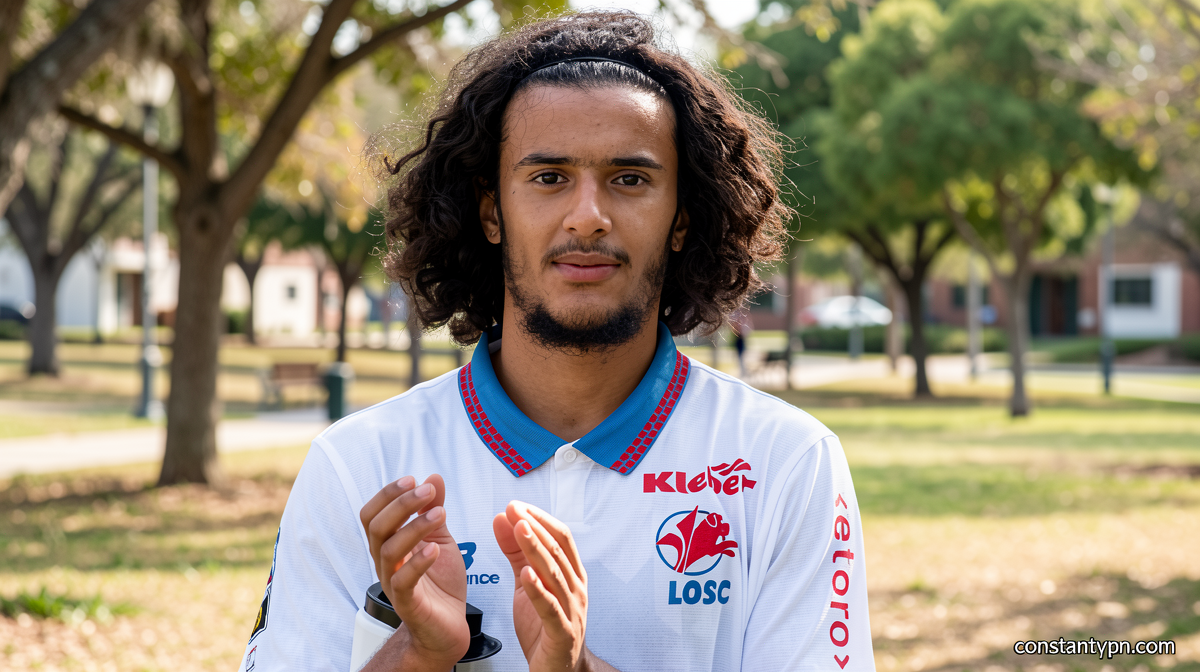
    Constantvpn.com – A Sydney mother who lost an arm and endured months of agonising surgery after being mauled by a shark at one of Australia’s most frequented beaches has broken her silence, telling supporters she intends to make the most of what remains. Leah Stewart, 34, posted her first public remarks since the June incident at Coogee Beach, where she was struck multiple times on her arms and legs during a routine morning swim. The update, shared online on Monday, marks the first time she has addressed the public since being pulled from the water in a critical condition.

    Stewart described the months following the attack as “incredibly difficult,” yet insisted her recovery has been “remarkable.” She credited an outpouring of global support — from family, friends, and complete strangers — for sustaining her through what she called the darkest stretch of her life.

    “After what has been an incredibly difficult few months, I’m so happy that I’ve progressed enough to build some independence, and I can finally see some light after all of this,” Stewart wrote.

    “I want you to know that I feel like I’ve been given a second chance at life, and I’m not going to waste it.”

    A Fundraiser That Changed Everything

    The community response to Stewart’s injuries was swift and enormous. An online fundraising campaign gathered more than AU$550,000 (approximately US$394,000 or £289,000) for her medical and rehabilitation needs. In her post, she announced the fundraiser would now be closed, explaining that the sum would allow her to continue recovering at home and preserve “options for further medical treatment down the road.”

    Stewart said the generosity of strangers had “overwhelmed” her and that their encouragement had inspired her “to get better, not bitter.” She described the wave of love, prayers, and encouragement surrounding her family as an “absolute army” that played a “huge part” in her progress.

    “I still have a long way to go, but my recovery has been remarkable, and a huge part of that is because of the absolute army of love, support, prayers and encouragement surrounding my family and I from all over the world.”

    The Moment She Will Never Forget

    In a separate interview with Nine Network’s 60 Minutes programme, scheduled to air that weekend, Stewart recounted the seconds of terror as the shark latched onto her leg. She described seeing the animal’s face up close and called it “horrific.”

    “I’ll never forget its face — it was a monster,” she said. “It was holding onto my leg and I just thought of (my daughter) August, and I thought, ‘she’s not going to have a mum. She’s gonna grow up without a mum.’”

    Fighting back tears on camera, Stewart added that the thought of leaving her daughter without a mother was something she could not accept.

    “I couldn’t handle that, I didn’t want her to not have a mum. I just thought, I’ve got to fight it, do everything I can to be here.”

    A Year of Unprecedented Danger in Australian Waters

    Stewart’s ordeal unfolded against a backdrop of escalating shark activity along the Australian coastline. Earlier in the year, four separate attacks occurred within a single 48-hour window in January, one of which claimed the life of a 12-year-old boy. The cluster of incidents reignited a long-running national debate over the use of controversial shark-netting programmes and other mitigation strategies.

    The toll continued into spring. In May, a man was killed while spearfishing off the Queensland coast. Separately, in Western Australia, a father of two died after being struck by a shark estimated at roughly 4 metres (13 feet) in length. Each fatality intensified public scrutiny of how coastal communities balance recreational ocean access with predator management.

    Coogee Beach itself sits on Sydney’s eastern seaboard, a stretch of sand and rock that draws thousands of swimmers, surfers, and paddle-boarders daily. Its proximity to the city’s inner suburbs makes it one of the most heavily used public beaches in New South Wales, and its popularity means that even a single incident there sends shockwaves through the local community.

    What Comes Next

    Stewart’s medical journey is far from over. The amputation of one arm, combined with multiple deep lacerations to both legs, means she faces an extended programme of physiotherapy, prosthetic fitting, and psychological rehabilitation. Her stated goal — rebuilding enough independence to manage daily life and, ultimately, to be present for her daughter August — will require sustained effort over months, if not years.

    Yet her tone in both the online post and the television interview carries a determination that has resonated widely. For a woman who, just weeks earlier, was lying in an induced coma after surgeons worked through the night repairing her injuries, the shift from helplessness to agency represents what she frames not as a victory, but as a responsibility: a second chance she refuses to squander.

    Frequently Asked Questions

    What is Australian shark attack victim grateful for second?

    Australian shark attack victim grateful for second is the main topic of this guide. The article explains the context, practical details, and next steps readers should understand.

    Why does Australian shark attack victim grateful for second matter?

    Australian shark attack victim grateful for second matters because readers are looking for a useful answer, not just a short summary. Good content should match search intent and help them decide what to do next.

  • Man City agree £86m deal for teen midfielder Bouaddi

    Man City agree £86m deal for teen midfielder Bouaddi

    Manchester City Lock In £86m Signing of Morocco’s Youngest Lille Legend

    Constantvpn.com – At just 18 years old, Ayyoub Bouaddi is about to become one of the most expensive teenage midfielders in Premier League history. Manchester City have reached a deal in principle with Lille worth 100 million euros — approximately £85.6 million — to bring the Morocco international to the Etihad. The initial fee stands at £81.4 million, with a further £4.2 million tied to performance-based add-ons, making the total package one of the largest ever paid for a player under 19.

    The agreement, which places Bouaddi under the management of Enzo Maresca, follows weeks of advanced negotiations between the two clubs. City’s pursuit of the teenager has now concluded, and the player is expected to complete his move to England in the coming days, subject to medical and work-permit formalities.

    A Midfield Rebuild in Full Swing

    The signing arrives at a critical juncture for City’s squad architecture. The club has already parted with two established central midfielders this summer: Rodri departed for Barcelona in a £65 million transaction, while Tijjani Reinders moved to Saudi Arabia’s Al-Qadsiah for £52 million. With those departures creating a significant gap in the engine room, City have made reinforcement at the heart of the pitch their top priority.

    Bouaddi is not the only target on the list. City remain active in their pursuit of Chelsea’s Enzo Fernandez, though a final agreement on that front has yet to materialise. Separately, the club has already completed the acquisition of England international Elliot Anderson from Nottingham Forest for a reported £116 million, giving Maresca two new midfield options to integrate before the season proper begins.

    The tactical pairing between the two signings is worth noting. Anderson operates comfortably as a box-to-box midfielder while also filling the number six role he occupies for England. Bouaddi, by contrast, functions as a deep-lying conductor — a player who drops between the lines, dictates tempo from a lower position, and releases teammates into space with precise through-balls. Together, the two could offer City a flexible midfield combination that blends physicality with positional intelligence.

    From Lille’s Youth Academy to the World Stage

    Bouaddi’s trajectory has been nothing short of extraordinary. He made his senior debut for Lille in October 2023, just three days after turning 16, becoming the youngest player ever to feature for the club. That debut came against KI, and from that moment onward his progression was relentless.

    By the time he reached his 17th birthday, Bouaddi had already etched his name into European football folklore. He was on the pitch when Lille defeated Real Madrid in the Champions League, a match played at the Stade Pierre-Mauroy where fans rose to sing his name after the final whistle. The performance announced him to the global market and triggered a wave of interest from Europe’s elite clubs.

    He has since made 88 appearances for Lille across all competitions, helping the club finish third in Ligue 1 last season. At just 18, he broke a record previously held by Eden Hazard by reaching 50 Ligue 1 appearances for the club at that age — a benchmark that had stood for years and underscored the sheer velocity of his development.

    Morocco’s World Cup Showcase

    This summer’s World Cup provided the final piece of evidence that Bouaddi belonged at the very top. He started five of Morocco’s six matches during their run to the quarter-finals, operating as the creative fulcrum of a side that had already established itself as a continental powerhouse. His composure under pressure, his ability to shield the ball in tight spaces, and his range of passing from deep positions drew comparisons to the game’s most accomplished deep-lying playmakers.

    For Morocco, Bouaddi represents the latest product of a national football infrastructure that has invested heavily in youth development over the past decade. His emergence alongside peers like Brahim Diaz and others signals a generation that is reshaping the country’s standing in international competition.

    What Comes Next for City

    City’s immediate fixture list offers little time for integration. They host Bournemouth in their Premier League opener on Sunday at 14:00 BST, following last weekend’s Community Shield defeat to Arsenal. Maresca will need to assess how quickly Bouaddi can adapt to the pace and physicality of English football, particularly if he is to feature in the opening weeks alongside Anderson.

    The £86 million price tag carries obvious expectations. Bouaddi is expected to become a regular starter within a season, tasked with providing the creative link between defence and attack that City’s system demands. His deep-lying profile complements the high-pressing structure Maresca favours, offering a player who can reset play under pressure and unlock defences with a single well-timed pass.

    For Lille, the windfall funds a new chapter in their own rebuilding project. For Bouaddi, the move represents the culmination of a two-year ascent from teenage debutant to global commodity — a journey compressed into a timeframe that few players in the sport’s history have matched.

    Frequently Asked Questions

    What is Man City agree 86m deal for teen?

    Man City agree 86m deal for teen is the main topic of this guide. The article explains the context, practical details, and next steps readers should understand.

    Why does Man City agree 86m deal for teen matter?

    Man City agree 86m deal for teen matters because readers are looking for a useful answer, not just a short summary. Good content should match search intent and help them decide what to do next.

  • CrossCountry cancels ‘almost all’ UK services after power cut

    CrossCountry cancels ‘almost all’ UK services after power cut

    UK Rail Network Hit by Widespread Cancellations After Birmingham Control Centre Loses Power

    Constantvpn.com – Commuters, weekend travellers, and football fans across Britain found their journeys in disarray on Saturday when CrossCountry scrapped virtually every service in its network following a sudden electrical failure at its central operations hub in Birmingham. The outage knocked out the digital systems that coordinate timetabling, signalling, and crew management, leaving the operator unable to run trains on most of its long-distance corridors. The company described the situation as “significant and unforeseen disruption” and confirmed that cancellations would persist until further notice.

    The Scale of the Disruption

    The blackout reached far beyond the Midlands. Routes stretching from Glasgow southward to Penzance, from Leeds eastward to Manchester, and from Cheltenham westward to Cardiff were all suspended. The Glasgow-to-Edinburgh line, a commuter-heavy corridor, was likewise paralysed. Manchester-to-Birmingham services, which thread through Stoke-on-Trent, Coventry, and Wolverhampton, were among the most heavily impacted, given the density of business and leisure travel on that corridor.

    Of the more than 100 stations CrossCountry normally serves, the company identified only one corridor expecting anything close to regular operation: the Peterborough-to-Cambridge-to-Stansted Airport line. Everywhere else, platforms sat empty and concourse screens flashed a Special Notice warning passengers that services had been withdrawn.

    Government Response

    Transport Secretary Heidi Alexander said she was “concerned to hear about a power outage” and had instructed publicly owned rail operators to deploy additional capacity where feasible. She confirmed that Network Rail power engineers had been dispatched to the Birmingham site to restore electricity and bring management systems back online as quickly as possible.

    “We’ve also sent Network Rail power teams who are onsite and working to restore power and systems as soon as possible,” Alexander added.

    Passengers Stranded and Frustrated

    Social media filled quickly with complaints. One passenger posted on X: “A massive thank you to Cross Country Trains for cancelling my train this morning to Birmingham. You are truly not fit for service. You have also cancelled my train coming back but that is immaterial. Useless. Utterly useless.” Another user asked the operator whether the situation would be resolved by Monday. The reply was characteristically non-committal:

    “We would hope so, but at the moment we have no further updates.”

    The human cost was most visible among football supporters. Reese Proctor, 22, had booked a Reading-to-Manchester train to reach the Etihad Stadium for a 14:00 BST kick-off against Bournemouth. With his service cancelled, he drove more than 100 miles to a friend’s home in Leicester, then continued to the ground. The improvised road trip added roughly two hours to what should have been a straightforward rail journey.

    “If I couldn’t drive, or have [my friend] to drive… I wouldn’t have been able to go to the match. That would have been a waste of a match ticket,” Proctor told BBC Newsbeat, describing the experience as “frustrating and unacceptable.”

    CrossCountry warned that services to and from Manchester, Liverpool, and Newcastle — all hosting fixtures that weekend — could be “extremely busy” as displaced fans piled onto whatever trains remained running.

    Alternative Arrangements and Ticket Validity

    The operator confirmed that tickets purchased for Sunday travel would remain valid through Wednesday, giving passengers a four-day window to complete their journeys. National Rail advised affected customers that London Underground services and the West Midlands Metro between Wolverhampton and Birmingham New Street could be used at no additional charge.

    Neighbouring operators stepped in to absorb displaced passengers. Chiltern Railways added extra services between Birmingham Moor Street and Oxford and announced it would honour CrossCountry tickets via “any reasonable route.” London North Eastern Railway likewise confirmed it would accept CrossCountry tickets to help get stranded customers to their destinations. For the Plymouth and Penzance corridor, Great Western Railway operators were positioned as the fallback option.

    At Birmingham New Street station, platform barriers stood open and station staff made regular public-address announcements. Handwritten boards supplemented the digital displays, which carried the Special Notice detailing the extent of the cancellations.

    Compensation and Broader Context

    Passengers whose trains were delayed by 30 minutes or more remain entitled to Delay Repay compensation under national rail rules. Those who choose not to travel at all can claim a full refund for the affected journey. A CrossCountry spokesperson said the company was “working closely with relevant partners” and would issue further updates as soon as possible, and offered an apology to affected customers.

    The outage lands at a particularly sensitive moment for the operator. In June, CrossCountry was ranked the worst-performing rail company in Britain by passenger satisfaction metrics, a designation that had already drawn scrutiny over its reliability and customer-service record. A multi-day, network-wide cancellation of this magnitude — triggered not by a strike or a signal fault but by a single electrical failure at one control centre — is likely to deepen questions about the resilience of the company’s infrastructure and its ability to manage cascading disruption across a network that spans Scotland, the North East, the Midlands, the South West, and Wales.

    As of the latest available information, no firm timeline for full restoration had been published. Passengers were urged to check station displays and operator communications before travelling, and to consider whether alternative routes or modes of transport might be less affected.

    Frequently Asked Questions

    What is CrossCountry cancels almost all UK services?

    CrossCountry cancels almost all UK services is the main topic of this guide. The article explains the context, practical details, and next steps readers should understand.

    Why does CrossCountry cancels almost all UK services matter?

    CrossCountry cancels almost all UK services matters because readers are looking for a useful answer, not just a short summary. Good content should match search intent and help them decide what to do next.