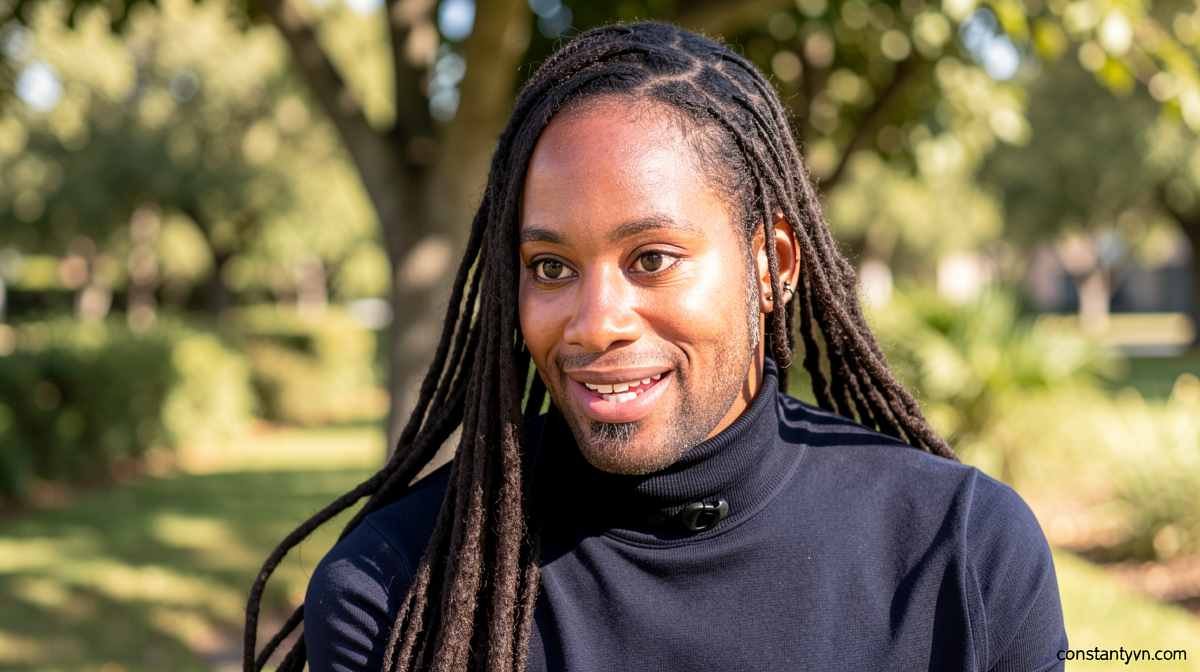
Author: Joseph Johnson – constantvpn.com

  • Analysis: Jason Arday’s death will send shockwaves through a divided academia

    Analysis: Jason Arday’s death will send shockwaves through a divided academia

    A Divided Academy Reels After the Death of Professor Jason Arday

    Constantvpn.com – The academic community is mourning the loss of Professor Jason Arday, whose passing in Battersea, south London, on Friday has sparked intense reflection on race, disability, and public scrutiny within higher education. University leaders and colleagues alike have described the circumstances as unexpected, with no indication of foul play surrounding his death.

    A Historic Appointment and Rising Star

    When Arday secured the position of professor of sociology of education at Cambridge in 2023, he represented a milestone for diversity within one of the world’s most prestigious institutions. At that time, he held the distinction of being the youngest black professor in the university’s history. Cambridge, consistently ranked among the top ten universities globally, publicly acknowledged the significance of his appointment, which arrived during a period of heightened awareness following the Black Lives Matter movement and ongoing discussions about decolonizing educational curricula.

    The statistical context of his achievement is notable. Fewer than one percent of professors across United Kingdom universities identify as black, placing Arday within a highly visible minority. His elevation to such a prominent role naturally attracted international attention, positioning him as both an academic leader and a symbol of progress within British higher education.

    The Plagiarism Controversy Erupts

    By July 2026, questions that had circulated privately among colleagues entered public discourse. The controversy centered on allegations concerning portions of Arday’s doctoral research, awarded by Liverpool John Moores University. Critics suggested that certain sections had been incorporated without proper attribution to their original authors.

    Arday firmly denied the allegations, maintaining that any errors in citation stemmed from his autism rather than intentional misrepresentation. Liverpool John Moores University conducted a review and ultimately stood by the integrity of the research. Meanwhile, British newspapers examined his earlier publications from his tenure at Durham and Glasgow universities, while academics on social media platforms found themselves divided between defenders of the black autistic scholar and those who believed his work warranted closer examination.

    Personal Narrative Under the Microscope

    Arday’s prominence extended beyond his academic credentials. He had become something of a celebrity academic, celebrated for his extraordinary personal journey. He frequently shared his story of being an autistic child who did not speak until age eleven and did not learn to read or write until eighteen. This narrative, combined with his professional achievements, made him a compelling public figure.

    However, this visibility also meant that other elements of his personal story faced increased scrutiny. He clarified that five million pounds raised for charitable purposes resulted from a collective effort rather than individual achievement. Additionally, he noted that his six-hundred-mile running challenge required twice the duration originally reported. Some academics who had previously signed a public letter of support quietly withdrew their names from the document.

    Resignation and Tragic Loss

    Arday resigned from his Cambridge position in the week preceding his death. In his statement, he described the “relentless accusations” as having taken a “profound toll” on both himself and his family. He suggested that much of the criticism carried racial undertones, a sentiment echoed by others who observed the intensity of the public response.

    “This is not just something that has happened in the past two weeks, we’ve seen the stories, this goes back three and a half years. The very day he got the position at Cambridge he had a Freedom of Information request asking about his credentials. He had all the right-wing people in America and the UK writing in to see if he was credible. Some people didn’t believe a black man should be in that position at Cambridge. It’s been a three-and-a-half-year toll which has come its head now.”

    Professor Kehinde Andrews, a scholar of Black Studies and friend of Arday, provided this perspective in the aftermath of the tragedy.

    Broader Implications for Academia

    Sir Sadiq Khan, the mayor of London, characterized Arday as having been “the victim of a pernicious public shaming that other people in his position simply wouldn’t have faced.” He described the death as a tragedy and a “wake up call for all of us.”

    Within academic circles, particularly among scholars of color, there has been considerable unease. Many believe the ferocity of the debate reflected underlying biases against a young black academic occupying a prestigious position. For some, the robust scrutiny of research integrity—a cornerstone of Cambridge’s reputation—became entangled with questions about whether Arday deserved his place at the institution.

    A coroner will likely examine Arday’s circumstances and mental state in the days leading up to his death. His family has described him as a “gentle man” who endured what they characterized as a “campaign of misinformation” that ultimately proved too much to bear.

    The questions raised by Arday’s death extend beyond individual tragedy. They touch upon fundamental issues of how academia handles public controversy, how it supports scholars with disabilities, and whether the scrutiny applied to minority academics differs in kind and intensity from that applied to their peers. What remains certain is that Arday had sought to defend his work and his reputation through a process that, for many observers, revealed deeper tensions within British higher education.

    Frequently Asked Questions

    What is Analysis: Jason Arday's death will send shockwaves through a divided academia?

    Analysis: Jason Arday's death will send shockwaves through a divided academia is the main topic of this guide. The article explains the context, practical details, and next steps readers should understand.

    Why does Analysis: Jason Arday's death will send shockwaves through a divided academia matter?

    Analysis: Jason Arday's death will send shockwaves through a divided academia matters because readers are looking for a useful answer, not just a short summary. Good content should match search intent and help them decide what to do next.
  • Afghan women tell the BBC their lives are unrecognisable after five years of Taliban rule

    Afghan women tell the BBC their lives are unrecognisable after five years of Taliban rule

    Afghan Women Tell the BBC Their Lives After Five Years of Taliban Rule

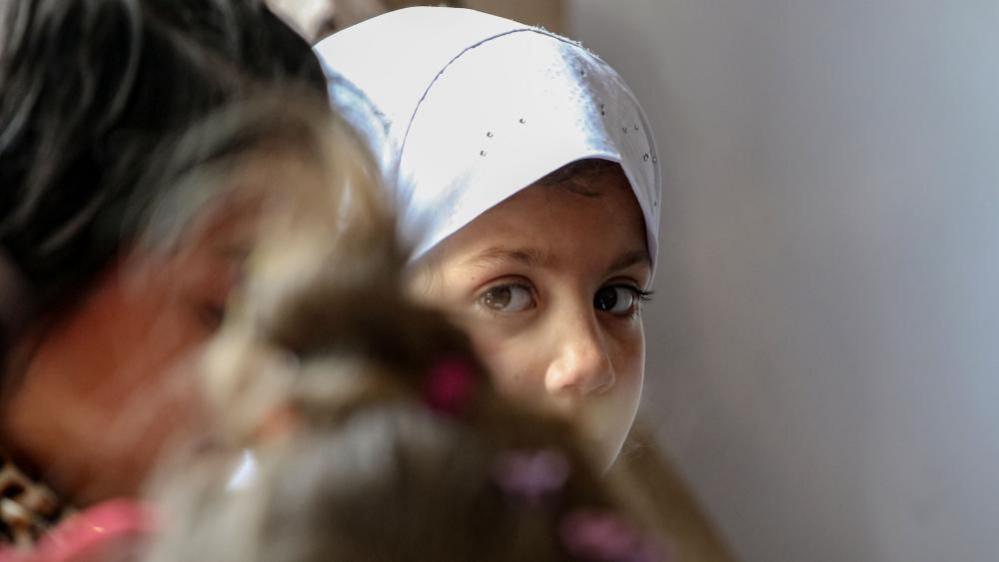
    Constantvpn.com – Afghan women tell the BBC their lives have become unrecognizable since the Taliban returned to power five years ago. The hard-line Islamist movement has fundamentally transformed the daily existence of approximately 22 million women and girls across Afghanistan. This stands as the sole nation globally where girls face official prohibition from secondary and higher education, marking a dramatic reversal from the previous two decades of international influence.

    Education Denied: A Generation Lost

    The closure of educational opportunities represents perhaps the most visible change under Taliban rule. The regime barred access to schools for females over the age of twelve, creating what many observers describe as a lost generation. Shakiba, a young woman who completed her secondary education through online programs, described the moment the government fell as “the worst and most painful day of my life.”

    “Every year when this date comes I feel as if an old wound opens again and a new feeling of defeat fills my heart. That day I felt that many of the dreams I had carried inside me for years were suddenly taken away.”

    Her aspiration to become a pilot now seems distant. “Whenever I looked at the sky I imagined myself flying an airplane and seeing the world from above. I wanted to fly freely and experience a world without limits,” she explained, capturing the sense of confinement that defines so many Afghan women’s experiences today.

    Amir Khan Muttaqi, the Taliban’s foreign minister, has defended the education situation by noting that three million girls continue attending schools and madrassas. However, a United Nations Children’s Fund report indicates that roughly 2.6 million girls cannot pursue education beyond Grade 6, highlighting a significant gap between official statements and ground reality.

    Economic Marginalization and Daily Survival

    Employment statistics reveal the economic toll on women. Only seven percent remain in the workforce after being excluded from numerous professions and academic fields. Zuhal, a former news anchor, described how her professional identity crumbled overnight.

    “I was very passionate about my work and did it with love. Every time I sat in front of the camera and read the news, I felt proud and happy… it was part of my identity and life. The days when I used to wake up to the sound of my alarm clock and get ready to watch TV have now become days when I wake up in the morning knowing that I have to spend the whole day at home.”

    While Muttaqi claims female entrepreneurship has grown from 30,000 to 120,000 since 2020-2021, this figure represents a fraction of the workforce and often reflects informal, home-based work rather than formal employment.

    Justice and Punishment

    The public enforcement of corporal punishment has returned with renewed intensity. Official documentation records hundreds of floggings since the takeover, though activists believe the actual number is considerably higher. Shaima’s experience illustrates the severity of these punishments.

    “They brought a paper and forced me to confess that: ‘Yes, I am an apostate woman. I am collaborating with infidels and have spoken with unrelated men’. They hit me so hard that my head would bend toward the ground. Around 200 local people had gathered, including men, boys, and children. All of them were male. I was required to say out loud that I repented.”

    Shaima was whipped fifty times, leaving permanent scars on her body and trauma within her family. The public nature of these punishments serves as both retribution and deterrent, reinforcing the regime’s vision of women’s proper place in society.

    The Weight of Silence

    Many women have chosen not to use their real names, fearing retaliation for speaking out. Ela from Kabul summarized the collective mood: “People are so overwhelmed by poverty and daily hardships that many have been forced to put their education, dreams, and hopes for the future aside. Today, survival has become the priority, and many of us no longer have the time or energy to think about the future.”

    Travel restrictions, mandatory male chaperones, and laws facilitating child marriage have further constrained women’s autonomy. When questioned about these limitations, Muttaqi maintained that “Women are not totally restricted on all walks of life,” adding that “Only one small part (of their affairs) is restricted until further notice.”

    Frequently Asked Questions

    How many Afghan women are affected by Taliban restrictions? Approximately 22 million women and girls across Afghanistan face new restrictions under Taliban rule since their return to power in 2021.

    What is the current state of girls’ education in Afghanistan? While three million girls continue attending schools and madrassas, a UNICEF report indicates that roughly 2.6 million girls cannot pursue education beyond Grade 6.

    How has women’s employment changed under the Taliban? Only seven percent of women remain in the workforce after being excluded from numerous professions and academic fields, though official claims suggest female entrepreneurship has grown from 30,000 to 120,000.

    What types of punishments have been reported? Official documentation records hundreds of floggings since the takeover, with some women receiving up to fifty lashes for alleged transgressions against Taliban laws.

  • Fires prompt national alert as 19 homes destroyed

    Fires prompt national alert as 19 homes destroyed

    National Alert Issued as Wildfires Devastate Communities Across England and Wales

    Constantvpn.com – A sweeping emergency warning has been issued to the public as multiple wildfires continue to ravage residential areas throughout England and Wales. The alert, which urges citizens to avoid any activity that might ignite a wildfire, comes amid growing concern over the scale and speed of the current fire season. Authorities have described the situation as unprecedented in recent memory, with communities from the West Midlands to Hampshire facing extraordinary challenges.

    Stourbridge Suffers Major Devastation

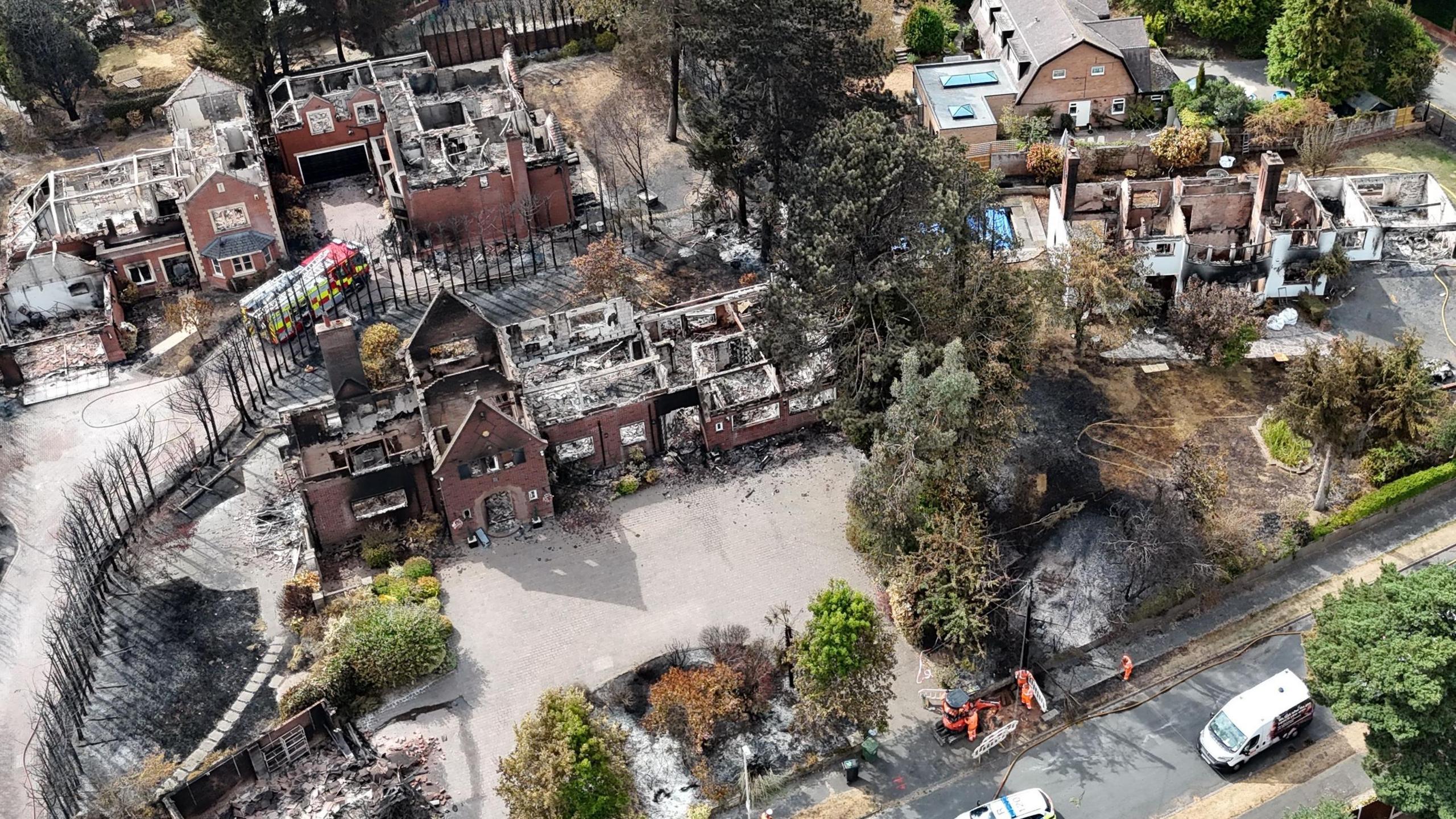
    The town of Stourbridge in the West Midlands has emerged as one of the hardest-hit locations, where a rapidly spreading blaze destroyed nineteen homes and damaged an additional eighteen properties. The fire, which began on Thursday, moved swiftly through grassy areas and woodland before engulfing residential neighborhoods. Residents who were evacuated have been unable to return to their homes as investigators work to determine the cause of the disaster.

    Prime Minister Andy Burnham visited the affected area earlier this week and described the scene as devastating. Speaking to reporters, he characterized the country as a tinderbox and cautioned that the upcoming weekend could prove particularly difficult for emergency services and residents alike. The government has pledged additional support for firefighting operations and emergency response teams.

    Government Response and Public Warning

    The national alert was issued at the request of firefighters who are battling multiple blazes simultaneously. Prime Minister Burnham emphasized that the public should take the warning seriously, noting that even seemingly minor activities could trigger catastrophic fires under current conditions. The alert was disseminated through emergency phone systems, reaching millions of citizens across the affected regions.

    In a significant policy move, the government has announced a temporary prohibition on the sale of disposable barbecues. Officials stated that these portable grills have been responsible for numerous serious fires throughout the summer months. Burnham noted that thirty-seven fires were currently active across England and Wales, though not all were directly linked to disposable barbecue use.

    Regional Fire Activity

    While Stourbridge has received the most attention, fires have been reported across multiple counties. In Wales, a major incident was declared near Llandovery in Carmarthenshire after dozens of residents were evacuated and several roads were closed to traffic. Meanwhile, in Hampshire, firefighters have spent six consecutive days battling a wildfire in the New Forest that first broke out on Sunday.

    Norfolk Fire and Rescue Service handled sixteen separate emergencies on Thursday afternoon, including a significant blaze at Mousehold Heath near Gurney Road in Norwich. Additional fires caused extensive damage in Warstock and Kings Norton, areas of Birmingham, on Thursday. In Stoke-on-Trent, four homes in the Sandyford area were completely destroyed, with other properties sustaining damage.

    Arson Investigations Underway

    Law enforcement agencies have launched investigations into potential arson in several locations. A fifty-five-year-old man was arrested in Birmingham on suspicion of arson with intent to endanger life. In Stoke-on-Trent, two individuals were taken into custody on similar charges. Investigators in Stourbridge are collaborating with multiple emergency services to establish how the fire originated, with police indicating they are keeping an open mind regarding possible causes.

    Emergency Services and Residents Affected

    The human toll of the fires has been significant. Six firefighters were transported to hospitals in Stoke-on-Trent due to smoke inhalation and heat exhaustion. Two residents of Stourbridge were also hospitalized for smoke inhalation. The smoke from the various fires has been visible and detectable for miles around, creating hazardous conditions for both people and animals.

    Among those evacuated from Stourbridge was the Bishop of Dudley, the Right Reverend Martin Gorick. Many residents who were told to leave have not yet been permitted to return as cordons remain in place around the worst-affected areas.

    Animal Rescue Efforts

    The fires also threatened local wildlife and domestic animals. At the Sugarloaf Equestrian Centre near Stourbridge, staff members rushed to rescue horses as flames approached their paddocks. Abbie Harvey, who works at the center, described the intense heat as something they could feel burning their legs while working to save the animals. She noted that the fire was already burning in a field where horses were being kept, requiring rapid action to prevent tragedy.

    Personal Accounts of Evacuation

    Residents who experienced the evacuation firsthand have shared their stories. Mike Davis, who was evacuated from his Stourbridge home with his family, described the scene as a hell of thick smoke and chaos. He recalled being told by police to leave immediately and not knowing whether their home would still be standing when they eventually returned.

    “It was a hell of a scene… thick smoke and just something I’ve never seen before,” Davis said. “We just grabbed a few things and headed out.”

    Jane Baxter, whose property backs onto a golf course, described having only minutes to collect essential belongings before being told to leave. She recounted how police knocked on her door again within four or five minutes, insisting that she and her husband get out immediately.

    “It was literally grab what you needed and get out and within about four or five minutes the police knocked on the door again and said, ‘You really have got to get out now,’” Baxter explained.

    As emergency services continue their efforts, the full extent of the damage is still being assessed. The combination of dry conditions, strong winds, and human activity has created a perfect storm for wildfires, leaving communities on edge as they await further developments.

    Frequently Asked Questions

    What is Fires prompt national alert as 19 homes?

    Fires prompt national alert as 19 homes is the main topic of this guide. The article explains the context, practical details, and next steps readers should understand.

    Why does Fires prompt national alert as 19 homes matter?

    Fires prompt national alert as 19 homes matters because readers are looking for a useful answer, not just a short summary. Good content should match search intent and help them decide what to do next.
  • Leading doctor rebukes NHS chiefs over transplant failings

    Leading doctor rebukes NHS chiefs over transplant failings

    Senior Transplant Physician Challenges NHS Leadership Over Systemic Failures

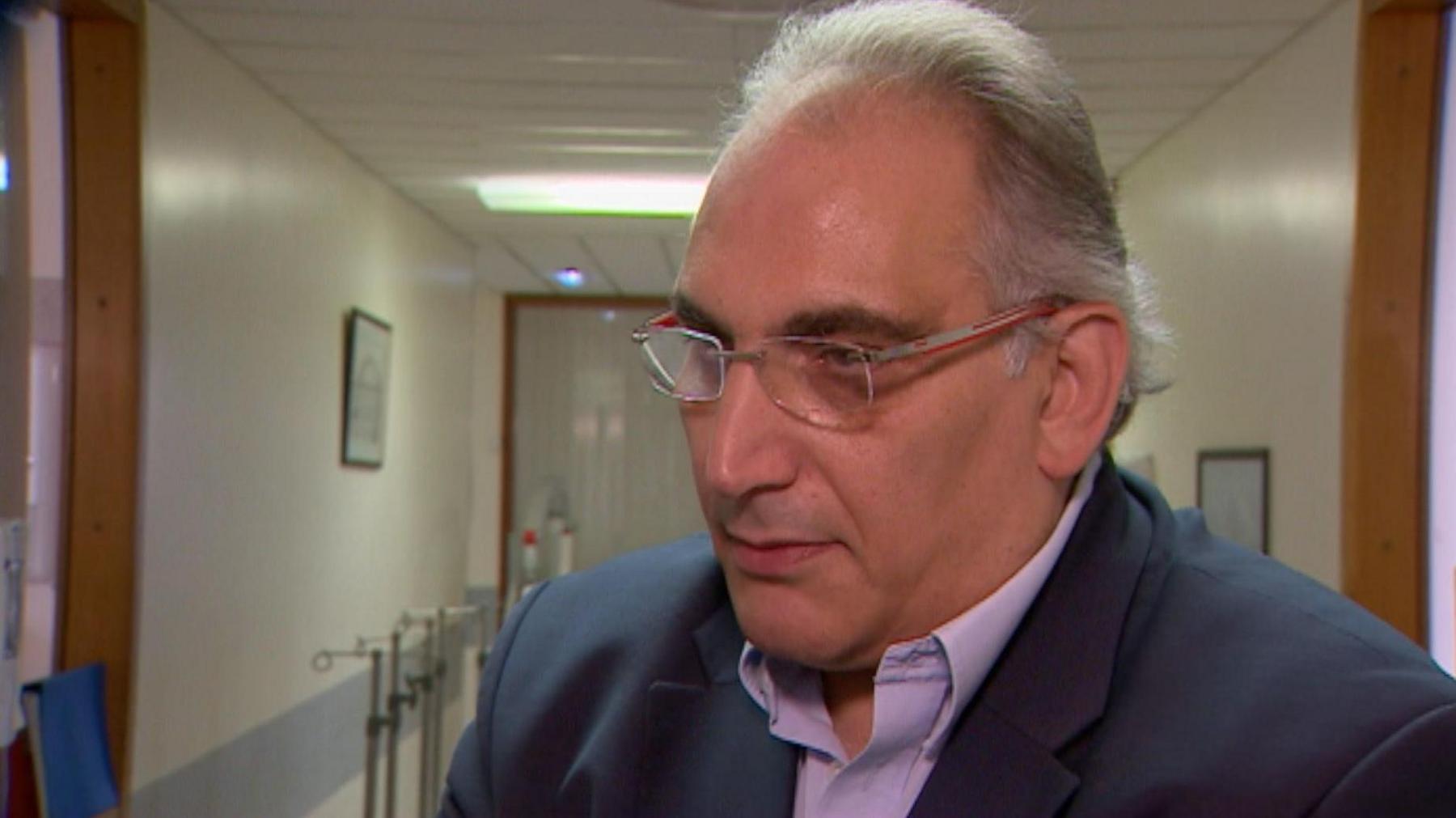
    Constantvpn.com – A prominent medical figure has publicly criticized the National Health Service’s leadership regarding persistent problems in organ transplantation across England. Professor Derek Manas, who serves as medical director for NHS Blood and Transplant, expressed deep concern in a confidential correspondence that has now been made public. His letter highlights concerns about operational disruptions, staff exhaustion, and inadequate oversight mechanisms within the transplantation network.

    Fragmented System Creates Operational Challenges

    The correspondence, addressed to NHS England alongside several patient advocacy representatives, identifies structural weaknesses in how transplant services are organized and managed. Manas characterized the current arrangement as disjointed, noting insufficient mechanisms for holding organizations accountable when problems arise.

    The core issue involves misalignment between multiple components of the transplantation process. Hospitals maintain varying waiting list lengths, organ supply fluctuates, surgical capacity differs across facilities, and operating room availability creates additional complications. This combination produces unpredictable scheduling and results in procedures being postponed at short notice.

    There is a mismatch between each hospital’s waiting lists, organ availability, capacity to carry out surgeries and the availability of operating theatres. This is leading to last-minute cancellations and unpredictable utilisation of donated organs.

    Decades of Stagnation in Heart and Lung Procedures

    One of the most striking statistics concerns the volume of heart and lung transplantation procedures performed annually. Despite medical advances and population growth, the total number has remained essentially unchanged over three decades. This stagnation contrasts with improvements seen in other medical specialties and with progress in other Western nations.

    The United Kingdom’s performance in organ transplantation has declined relative to international peers. While the country maintains strong results in kidney transplantation, heart and lung procedures tell a different story. Only one in ten donated lungs and one in seven donated hearts are successfully transplanted, figures that represent approximately half the success rates observed in certain other nations.

    Several factors contribute to this shortfall. The UK has not pursued technological modernization with the same intensity as competing countries. Shortages extend beyond surgical facilities to include intensive care bed capacity and qualified medical personnel. Geographic limitations also play a role, as Wales and Northern Ireland lack dedicated heart and lung transplant centers, requiring patients to travel to England for these procedures. Scotland maintains a single heart transplant center.

    Workforce Pressures and Leadership Vacancies

    Staff retention and morale represent another critical concern. Half of the six United Kingdom heart and lung transplantation centers have experienced the departure of their lead surgeon within the past two years. Many of these medical professionals seek opportunities in other countries where conditions may be more favorable.

    We have a system that assumes the consultant workforce will absorb pressure indefinitely.

    Manas attributed these problems to insufficient workforce planning, which has generated exhaustion among transplant surgeons and their teams. Recruitment and retention difficulties compound the problem, creating greater dependence on staff willingness to work beyond normal capacity. Waiting times for donated hearts demonstrate considerable variation, ranging from eight months to four and a half years depending on the specific hospital location.

    Political Response and Proposed Reforms

    The concerns raised by Manas align with findings from an international expert report commissioned by the Conservative government in 2024. That assessment identified significant problems within the heart and lung transplantation service, though implementation of recommendations has proceeded at what many consider an inadequate pace.

    Dr. Zubir Ahmed, who served as health minister responsible for transplantation before departing Sir Keir Starmer’s government in May, supports comprehensive reform. The Glasgow member of parliament and kidney transplant surgeon acknowledged that certain elements of the system remain world-class, particularly the principle of free access at the point of care.

    I don’t think there is ever a need to cancel a transplant because of capacity issues.

    Ahmed advocated for granting NHS Blood and Transplant authority to commission services throughout the United Kingdom. This proposal connects to broader government plans to eliminate NHS England and return that function to direct government control. Such a change would enable patients to be transferred more quickly to facilities with available organs.

    NHS England’s Position

    NHS England, which oversees the national health service in England, maintains that it is actively addressing these challenges. The organization described transplant services as complex operations influenced by numerous variables, including organ availability.

    NHS England is leading a programme of work which is already helping to increase the number of transplants, reduce variation, identify suitable patients earlier and improve access.

    The organization emphasized ongoing efforts to enhance these life-saving procedures. However, surgeons and patient advocates continue to express frustration with the pace of improvement and the structural barriers that prevent more efficient service delivery.

    Broader Implications for Patients

    The transplantation system’s challenges affect thousands of patients across the United Kingdom who depend on timely access to organs. The variation in waiting times means that a patient’s prognosis can depend significantly on their geographic location and the specific hospital where they are registered. The departure of experienced surgeons from multiple centers raises concerns about institutional knowledge and continuity of care.

    The planned restructuring of NHS England represents a significant shift in how transplant services will be managed in the future. Whether this change will deliver the improvements that patients and medical professionals have been calling for remains to be seen. What is clear is that the current system requires substantial attention to address the problems that have accumulated over many years.

    Frequently Asked Questions

    What is Leading doctor rebukes NHS chiefs over?

    Leading doctor rebukes NHS chiefs over is the main topic of this guide. The article explains the context, practical details, and next steps readers should understand.

    Why does Leading doctor rebukes NHS chiefs over matter?

    Leading doctor rebukes NHS chiefs over matters because readers are looking for a useful answer, not just a short summary. Good content should match search intent and help them decide what to do next.
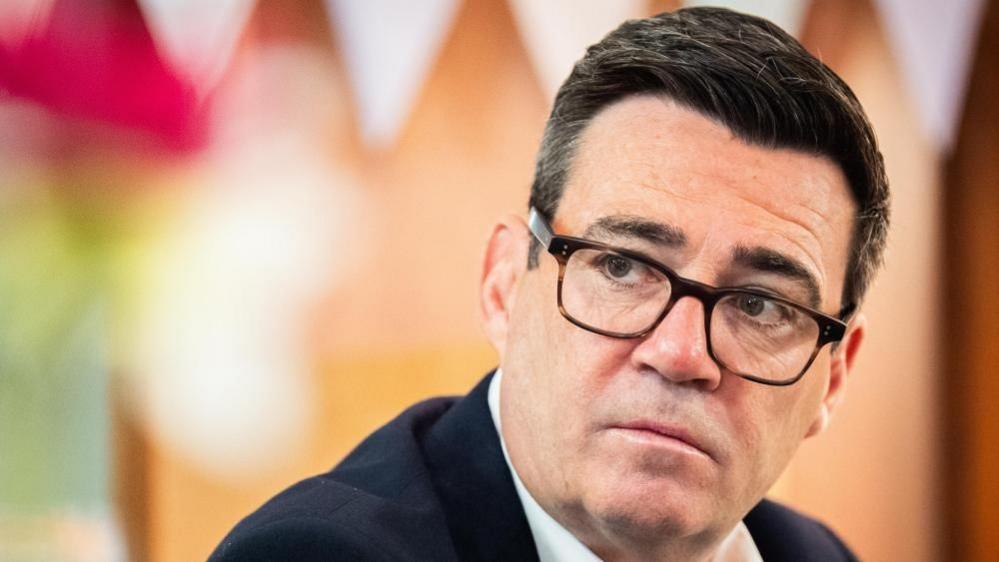
  • Burnham warned Iran war could hit UK growth next year

    Burnham warned Iran war could hit UK growth next year

    UK Economy Faces Severe Slowdown if Middle East Conflict Persists

    Constantvpn.com – Britain’s economic outlook has darkened considerably as internal Treasury analysis reveals the nation could experience minimal expansion next year should tensions in the Middle East fail to resolve. Andy Burnham, the newly installed prime minister, received alarming projections indicating that sustained disruption through the Strait of Hormuz could compress UK GDP growth to merely 0.3 percent by 2027.

    The worst-case scenario, which has been modelled extensively within government departments, envisions the critical shipping lane remaining effectively obstructed for approximately five additional months while diplomatic efforts between Washington and Tehran stall until the calendar year concludes. Under these conditions, the Treasury estimates British economic expansion would reach only 0.9 percent throughout 2026, falling short of the Office for Budget Responsibility’s more optimistic March projection of 1.1 percent.

    Energy Markets and Supply Chain Pressures

    The ongoing conflict involving Iran has created cascading effects across multiple sectors of the British economy. Oil and fuel costs have climbed steadily, placing additional strain on households already grappling with elevated living expenses. Simultaneously, commercial supply chains have experienced significant interruptions, affecting everything from manufacturing output to retail availability.

    The Strait of Hormuz represents one of the world’s most vital maritime chokepoints, through which approximately twenty percent of global petroleum consumption flows daily. Any prolonged closure would send shockwaves through international markets, with implications extending far beyond energy prices alone. For Britain, which maintains substantial energy import dependencies, the consequences could prove particularly severe.

    Official economic data released on Thursday is anticipated to reveal growth of 0.4 percent between April and June, following what had initially appeared to be a robust opening to the year. However, that momentum has since weakened as Middle Eastern developments began impacting British businesses across various industries.

    Inflation Trajectory and Monetary Policy Implications

    Perhaps most concerning for policymakers is the inflation projection embedded within the Treasury’s modelling framework. Price increases are expected to accelerate sharply, potentially reaching 4.3 percent during the opening quarter of 2027. This represents a substantial departure from current levels, which sit at 2.6 percent—only marginally above the Bank of England’s stated target of 2 percent.

    Such an inflationary spike would complicate monetary policy decisions considerably. The Bank of England might face pressure to maintain or even raise interest rates despite broader economic weakness, potentially exacerbating the growth slowdown rather than mitigating it.

    Political Pressure Ahead of October Budget

    Burnham and Healey now confront mounting expectations to deploy the forthcoming Budget on October 28 as a mechanism for alleviating financial pressures on both consumers and enterprises. Since assuming office three weeks prior, the prime minister has introduced several initiatives, including the elimination of value-added tax on household electricity consumption and the acceleration of measures designed to eliminate predatory subscription practices.

    However, Burnham has acknowledged publicly that these interventions alone may prove insufficient. Speaking with the BBC’s Wake up to Money programme, he indicated that additional support measures could be forthcoming, suggesting the government’s toolkit remains largely unexplored.

    The announcements, aimed at tackling the cost of living, are not enough on their own, hinting at further support.

    Healey has confirmed that addressing living costs will constitute his primary objective within the Budget framework. Nevertheless, the chancellor has simultaneously committed to maintaining rigorous fiscal discipline, which will constrain the magnitude of additional government expenditure available for stimulus purposes.

    Fiscal Constraints and Manifesto Commitments

    The political landscape presents Burnham and Healey with competing demands. The prime minister has pledged adherence to the Labour Party’s 2024 electoral manifesto commitments, which explicitly prohibit increases to income tax, value-added tax, and National Insurance contributions. These restrictions limit the government’s ability to raise additional revenue through traditional taxation channels.

    Furthermore, both leaders have committed to honouring the fiscal rules established by former Chancellor Rachel Reeves. These regulations require the government to balance daily expenditures with tax receipts by the conclusion of the current decade, creating additional constraints on deficit spending and borrowing capacity.

    The combination of these commitments means that any substantial intervention to support households and businesses during a potential economic downturn will likely require careful prioritization and potentially creative financing mechanisms. Ministers have been instructed to maintain strict spending limits as they navigate these competing priorities.

    Broader Economic Context

    The current situation reflects broader challenges facing advanced economies as they contend with geopolitical instability, energy transition costs, and lingering effects of previous monetary tightening cycles. Britain’s position is particularly sensitive given its exposure to global energy markets and its relatively open trade structure.

    Should the worst-case scenario materialize, the implications would extend beyond immediate growth figures. Business investment could decline as uncertainty persists, consumer confidence might weaken further, and the government could face difficult choices regarding the timing and scale of any economic recovery measures.

    For now, Burnham and Healey must balance their commitment to fiscal responsibility with the growing recognition that substantial economic headwinds lie ahead. The coming months will test whether their policy framework can withstand external shocks while maintaining the credibility that markets and voters expect from responsible governance.

    Frequently Asked Questions

    What is Burnham warned Iran war could hit UK?

    Burnham warned Iran war could hit UK is the main topic of this guide. The article explains the context, practical details, and next steps readers should understand.

    Why does Burnham warned Iran war could hit UK matter?

    Burnham warned Iran war could hit UK matters because readers are looking for a useful answer, not just a short summary. Good content should match search intent and help them decide what to do next.