Author: David Williams – constantvpn.com

  • The dangers of politicians being ‘too online’ – or not online enough

    The dangers of politicians being ‘too online’ – or not online enough

    When the Feed Becomes the Front Page: UK Politics and the Social Media Tightrope

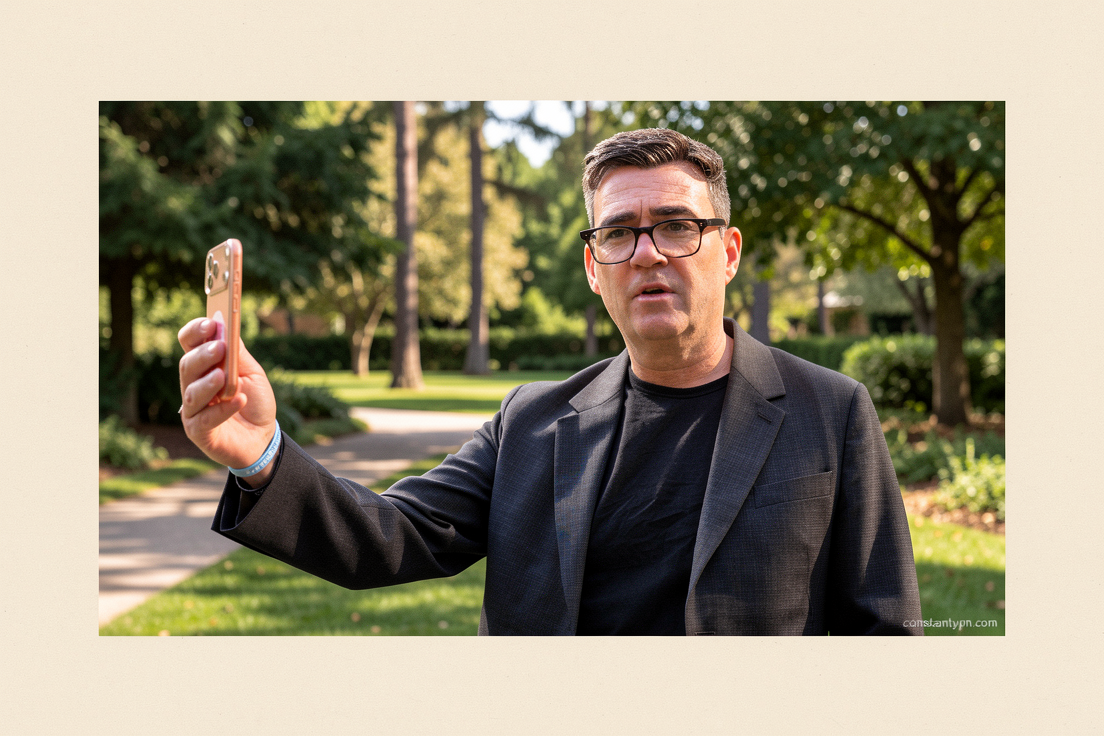
    Constantvpn.com – In his opening weeks at the top of government, Andy Burnham has logged more than fifty Instagram posts, capturing everything from bilateral meetings with foreign heads of state to lighthearted moments ranking pub snacks alongside Chancellor John Healey during a business-rates announcement. A two-person social media unit attached to Number 10 now positions itself ahead of every ministerial announcement, cameras ready, to ensure no new arrival slips past the lens. The machinery of Westminster communication has shifted, almost overnight, from the formal press release beneath the government coat of arms to the algorithmic feed.

    The question hanging over every party headquarters in Britain right now is simple and uncomfortable: how much of the leader’s personality should be broadcast, and does any of it actually move votes?

    A Brief History of the Leader on Screen

    Prime ministers have never been strangers to new media. Winston Churchill seized radio as a tool of mass persuasion while dismissing television as a “vulgar diversion.” Decades later, in the 1960s, Harold Wilson consciously modelled his television campaigning on the style of John F. Kennedy, understanding that the camera demanded a different register than the parliamentary floor. By the 1990s and 2000s, Tony Blair was as comfortable on a chatshow sofa as he was on the Today programme, normalising the idea that a head of government could appear in entertainment contexts without losing authority.

    Each technological shift forced a recalibration. Radio demanded oratory. Television demanded image. Social media demands something harder to define: authenticity at scale, delivered in fragments, judged in real time by millions of strangers.

    The Milifandom Experiment and Its Aftermath

    The most vivid early-2010s illustration of online political mobilisation in Britain was the “Milifandom” phenomenon. In early 2015, young voters — predominantly female — began photoshopping flower crowns, petals, and hearts onto images of Labour leader Ed Miliband, posting them on Twitter under the hashtag #Milifandom. The movement was conceived by Abby Tomlinson, then a seventeen-year-old sixth-form student who referred to the Labour leader affectionately as “Milibae.” The campaign was a direct response to what participants saw as a distorted and unkind media portrayal of Miliband.

    The hashtag trended. Then Labour lost the 2015 general election, and David Cameron, whose Conservatives had expanded their parliamentary majority, quipped:

    “Britain and Twitter are not the same thing.”

    Tomlinson later described how watching her hopes for “Milibae” in Number 10 evaporate turned her into a “political pessimist,” after she concluded that winning over voters online “doesn’t happen in a day, a week or even months, it’s going to take years.”

    More than a decade later, Tomlinson occupies a seat in the press office at Number 12 Downing Street, serving as head of content for Andy Burnham. The government has spent recent weeks recruiting producers, videographers, and strategists, operating out of both Whitehall and the party’s Manchester base at No 10 North. The Milifandom teenager is now helping to engineer the very phenomenon that once felt like a protest stunt.

    The Current Competitive Landscape

    Every major party is now competing for attention in the same crowded digital space. Conservative leader Kemi Badenoch has generated viral clips dissecting the budget and mocking former prime minister Sir Keir Starmer. Reform UK’s Nigel Farage commands by far the largest online audience of any British party leader, with 7.6 million followers spread across Facebook, Instagram, X, TikTok, and YouTube. His platform of choice, X, is owned by Elon Musk, who has publicly endorsed the party — a fact that amplifies reach well beyond organic growth.

    In Scotland, the SNP has spent years cultivating what insiders call its “online army,” deploying coordinated digital campaigns to sustain the independence case. The Liberal Democrats, campaigning across all of Britain, have seen leader Ed Davey achieve intermittent viral success through calculated campaign stunts. Restore Britain, founded by former Reform MP Rupert Lowe, enjoys its highest concentration of support among X users. Plaid Cymru, newly installed in government in Wales, is still calibrating its tone, mixing “fun” memes featuring First Minister Rhun Ap Iorweth with more sober interview excerpts. The Greens’ Zack Polanski has made a point of personally managing his own accounts — a strategy that, as recent weeks have shown, carries its own set of risks.

    The Balance problem

    Theresa May, who succeeded Cameron, was openly sceptical about social media’s electoral value. On taking office she rebuffed aides who urged her to begin tweeting, remarking:

    “People don’t say ‘pass me the hashtag newspaper, or I’d like a hashtag coffee.’”

    Her first cabinet reshuffle was announced through formal press statements. Burnham’s first reshuffle, by contrast, was announced through the lens of a smartphone held by a two-person digital team. The contrast encapsulates the entire shift.

    Strategists now argue that platforms like Instagram and TikTok play to Burnham’s communication strengths and sense of humour, while podcasts offer longer-form, less combative opportunities to connect with voters. Social media, in their framing, delivers what one former adviser to Tony Blair, Peter Hyman, has described as a “quick hit of direct democratic dopamine.”

    The tension remains unresolved. Being accessible, authentic, and approachable without tipping into cringe is a narrow corridor. One ill-judged post can define a leader’s brand for weeks. One collaboration gone wrong can become the defining clip of a campaign. The Milifandom generation learned, at seventeen, that online enthusiasm does not translate into parliamentary seats. The current generation of strategists in Whitehall and Manchester is learning, in real time, that the reverse is equally true: a polished feed does not guarantee a mandate. The algorithm rewards engagement, not conviction. And in an election year, that distinction may prove decisive.

    Frequently Asked Questions

    What is The dangers of politicians being too online?

    The dangers of politicians being too online is the main topic of this guide. The article explains the context, practical details, and next steps readers should understand.

    Why does The dangers of politicians being too online matter?

    The dangers of politicians being too online matters because readers are looking for a useful answer, not just a short summary. Good content should match search intent and help them decide what to do next.
  • ‘I’d love a normal life, but being a 17-year-old carer means sacrifices’

    ‘I’d love a normal life, but being a 17-year-old carer means sacrifices’

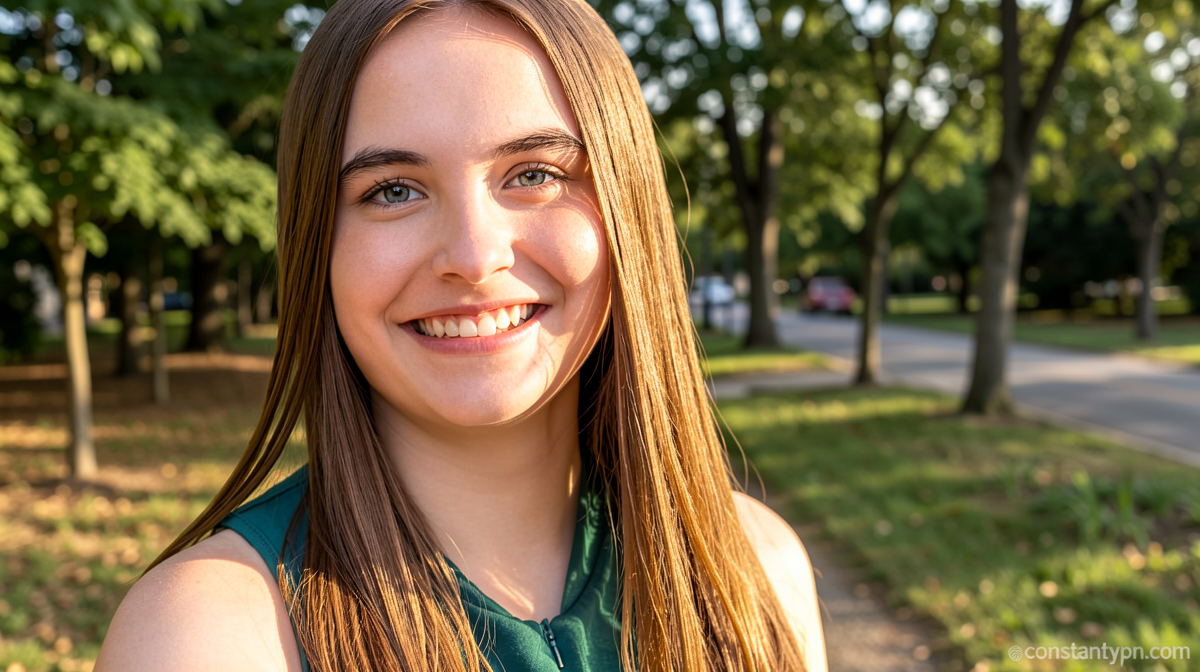
    Constantvpn.com – Ava-Grace Britton, 17, is a carer for her father Paul and says she worries about him "all the time" Ava-Grace Britton is 17 and studying acting at college in north London. She likes going out, seeing her friends and wants to go to university next year. Unlike most of her peers, however, she also cares for her father, Paul, who has significant mobility and memory issues after suffering a series of strokes eight years ago.

    Along with her mother Karen, Ava-Grace monitors Paul's blood glucose levels, gives him medication and helps with dinner and jobs around the house. "I worry about him all the time," Ava-Grace told the BBC. "Before I go to college I help him and most days I have to return home quickly to look after him." She is not alone.

    Officially, census data suggests there are around 130,000 carers under the age of 18 in England and Wales. But the true figure is thought to be much higher, with many young carers hidden from view. The Carers Trust estimates there could be as many as 1 million carers under 18, with another 500,000 aged 18 to 25.

    For some the responsibilities are significant, amounting to more than 50 hours a week – with consequences on young carers' social and academic prospects. Paul's strokes were brought on by a sepsis infection, which he caught after cutting his thumb at work. His health is further compromised by diabetes which needs careful monitoring.

    His condition deteriorated so much he had to give up work as a borehole engineer. He is now cared for full-time by Ava-Grace and Karen, who runs her own charity which organises lunch clubs for the elderly and vulnerable. "It turned our life upside down," said Karen.

    "Paul spent three months in hospital and in rehab. I don't know how I would cope without Ava-Grace." Ava-Grace says her caring responsibilities have demanded a number of trade-offs over the years. "You have to make sacrifices.

    I can't do all the things my friends do," she said. "At one point I was really enjoying dance and could have started competing, but it would have been a huge time commitment which wasn't possible. While enjoying college now, she had to move schools several times after being bullied and struggling with attendance because of her caring responsibilities and epilepsy, which she has to manage.

    "I worry about the future," she said. "I really want to go to university, but can't imagine going anywhere too far from home. I know my dad needs me." Ava-Grace helps her mum, Karen, care for her dad, Paul More than half of young carers, like Ava-Grace, provide support to parents.

    The rest mainly look after siblings and grandparents. The Carers Trust says there has been a big rise in non-parent carers in recent years as the cost of living crisis has meant parents have had to prioritise earning money, leaving children to care for other family members. That can make socialising and pursuing hobbies difficult as well as lead to higher rates of bullying, school absence and even suspensions.

    Young carers are 25% less likely to achieve five GCSE passes including English and Maths than their peers, according to Department for Education data. As a result they are twice as likely to be out of education, employment or training for two years or more. Some support is available.

    Young carers are entitled to assessments from their local council to look at the impact on their health, education and wellbeing. "When young carers get these it can make a real difference," said Andy McGowan, the lead on young carers at the Carers Trust. "But it takes many years of caring before they are actually identified.

    And then the support in place to help is patchy, it really depends on where you live." McGowan, who was a young carer himself to both his parents, says even when help is given to the young in the form of respite breaks, peer support and counselling, the underlying issue – the caring demands being placed on them – is often not addressed. "The threshold to get adult social care from councils to relieve the caring burden is so high, many don't get help. Until that is addressed, the inequalities young carers face will not be tackled." The NHS could do more, he added, particularly in terms of preventative and early support for things like substance misuse and mental health, which are also contributory factors to the caring responsibilities young carers have.

    "Often young carers are left to fight their own battles for too long – and so school and their own health come second," he said. In July, the government published an action plan for unpaid carers which included measures to support young carers, including improved help in schools and joined-up support between the NHS, social care and education. Other parts of the UK have their own policies – in Scotland, for example, there is a dedicated young carers' grant.

    "Through our new national care service, this government is determined to build a system that recognises the extraordinary contribution of unpaid carers, supports them better and, in particular, helps young carers," a government spokesman told the BBC. For families like the Brittons, more help cannot come soon enough. "I worry about the impact caring has on Ava-Grace," said Karen.

    "She has had to grow up very quickly – that has had benefits, she is calmer and more mature than many girls her age and she has a real strength about her. But Ava-Grace and others like her need more help and understanding."

    Frequently Asked Questions

    What is I d love a normal life?

    I d love a normal life is the main topic of this guide. The article explains the context, practical details, and next steps readers should understand.

    Why does I d love a normal life matter?

    I d love a normal life matters because readers are looking for a useful answer, not just a short summary. Good content should match search intent and help them decide what to do next.
  • Sacked Ukrainian defence minister calls for presidential election

    Sacked Ukrainian defence minister calls for presidential election

    Ukraine’s Ousted Defence Minister Demands Elections Amid Wartime

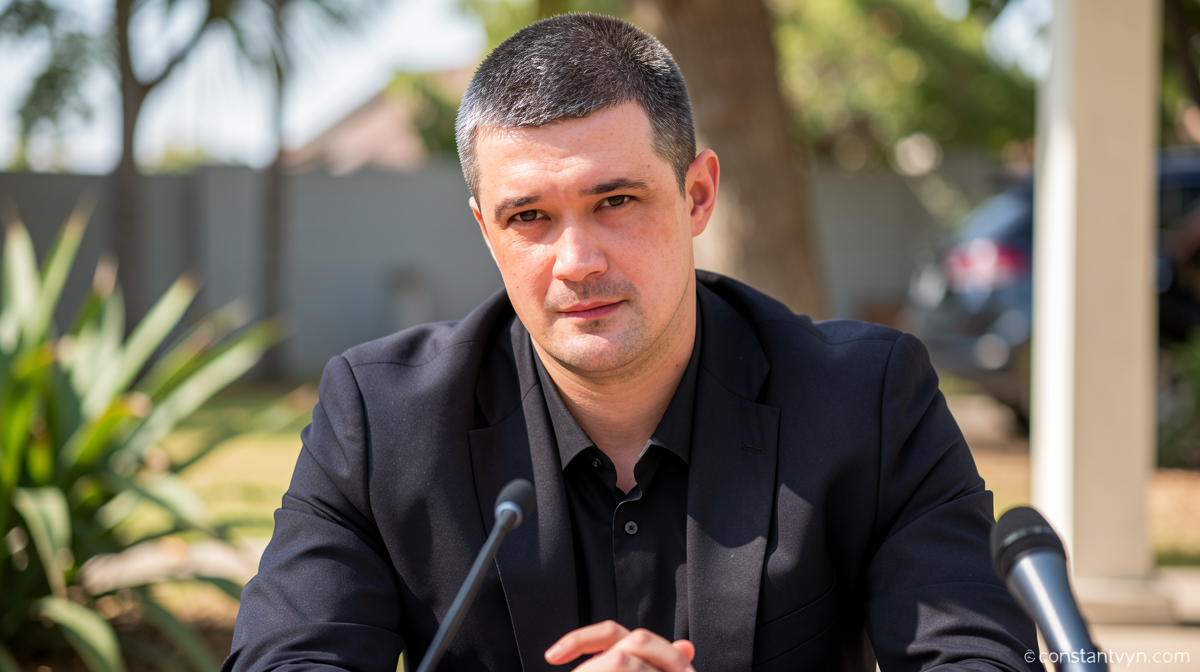
    Constantvpn.com – Four and a half years into Russia’s full-scale invasion, Ukraine’s most prominent young politician has broken silence on a question that had seemed frozen by the conflict: whether the country should hold a presidential vote while still at war. Mykhailo Fedorov, the 35-year-old former defence minister whose abrupt removal from office last month ignited nationwide demonstrations, published a YouTube video on Tuesday urging his government to organise elections despite the ongoing bombardment.

    “Democracy cannot be held hostage by Russia,” Fedorov declared in the clip, arguing that Ukraine is fighting “precisely because we want to remain a free European state.”

    The statement lands as the most direct challenge yet to President Volodymyr Zelensky’s continued hold on power since the February 2022 invasion. Zelensky’s constitutionally mandated five-year term expired in May 2024, yet martial law — imposed from the war’s first days — legally suspends all electoral processes. No vote can be scheduled until that status is lifted, a provision that has drawn both domestic and international scrutiny.

    From Cabinet to Controversy

    Fedorov’s path to the defence ministry was brief but transformative. Appointed in early 2025, he spent roughly six months in the role before being dismissed in mid-July. During that window, observers credited him with injecting energy into a bureaucracy long criticised for inertia, launching an anti-corruption campaign within the military apparatus, dismantling legacy command structures, and accelerating the integration of drones, autonomous systems, and other digital tools onto the battlefield.

    His removal is widely attributed to friction with then army commander-in-chief Oleksandr Syrskyi. The split escalated quickly: within days of Fedorov’s firing, Syrskyi himself was replaced from the top military post, a move interpreted as Zelensky responding to mounting street pressure demanding the young minister’s reinstatement.

    Fedorov was reportedly offered alternative government positions, including a deputy prime minister portfolio focused on military innovation. He declined, stating plainly that he would return only to the defence ministry. Hours before posting his election video late Tuesday, Zelensky announced he had asked parliament to ratify acting defence minister Yevhenii Khmara in the permanent role. A confirmation vote was scheduled for later Wednesday.

    Protests and Public Sentiment

    Weekly demonstrations have continued since the dismissal, drawing crowds outside the Verkhovna Rada in Kyiv. On Wednesday morning roughly 100 people gathered chanting slogans demanding Fedorov’s return to the defence post and calling for open dialogue with the government. Younger Ukrainians in particular have expressed frustration at seeing the established military hierarchy preferred over what they view as a fresh, technologically oriented leader.

    Ivan, 24, one of the demonstrators outside parliament, told reporters that while he supported Fedorov’s return to government, “elections at this time of war wouldn’t be the best thing.” His remark captures a tension running through the current debate: many Ukrainians who championed the ousted minister’s reinstatement nonetheless question whether a ballot box can function credibly under repeated missile and drone strikes.

    The Broader Electoral Question

    Fedorov did not name Zelensky in the video, nor did he announce a personal candidacy. Instead he framed his appeal in institutional terms, warning that it is

    “particularly dangerous when society develops the feeling that the main criterion for an appointment is not professionalism, results, or the ability to transform the country, but personal loyalty to the system.”

    He called for “a legal, safe, and realistic mechanism that will allow Ukraine to restore a full democratic process even amidst a prolonged war” and invoked the ideal of “a state where institutions are stronger than names.” Whether that phrase was aimed at the president’s outsized personal brand or at a broader culture of patronage was left deliberately open.

    The timing of his intervention is notable. Within roughly a month, Fedorov has shifted from insisting he would re-enter government solely as defence minister to articulating a platform of systemic political reform. He has not explicitly declared a presidential bid, but the framing of his remarks — combined with the scale of public attention now focused on his name — marks the most serious intra-elite challenge to Zelensky’s authority since the invasion began.

    The question of wartime elections is not new. Last year, US President Donald Trump publicly suggested that Kyiv was “using war” to postpone a vote. Zelensky responded that Ukraine was “ready for elections” within 60 to 90 days provided allied partners could guarantee the security conditions necessary for a fair ballot. Many Ukrainians read Trump’s remark as echoing Vladimir Putin’s long-running narrative that Zelensky lacks democratic legitimacy, a framing Kyiv has consistently rejected.

    War Continues

    The practical obstacles to voting remain formidable. Ukraine’s southern city of Kherson suffered another deadly strike on Wednesday when a drone struck a minibus, killing four passengers. Buses and minibuses in that region have been repeatedly targeted over recent months, claiming drivers and commuters alike. Any electoral exercise would have to contend with precisely this kind of disruption across a country still under sustained bombardment.

    Zelensky had not responded to Fedorov’s video as of Wednesday. Whether the president will treat the call as a manageable policy discussion or as a political threat will shape the next phase of Ukraine’s wartime governance — and determine whether the country’s democratic institutions survive the conflict intact or emerge reshaped by the pressures of total war.

    Frequently Asked Questions

    What is Sacked Ukrainian defence minister calls for presidential?

    Sacked Ukrainian defence minister calls for presidential is the main topic of this guide. The article explains the context, practical details, and next steps readers should understand.

    Why does Sacked Ukrainian defence minister calls for presidential matter?

    Sacked Ukrainian defence minister calls for presidential matters because readers are looking for a useful answer, not just a short summary. Good content should match search intent and help them decide what to do next.
  • Buss trying to block siblings’ sale of LA Lakers

    Buss trying to block siblings’ sale of LA Lakers

    LA Lakers Dynasty Faces Internal Fracture as Jeanie Buss Moves to Halt Family Sale

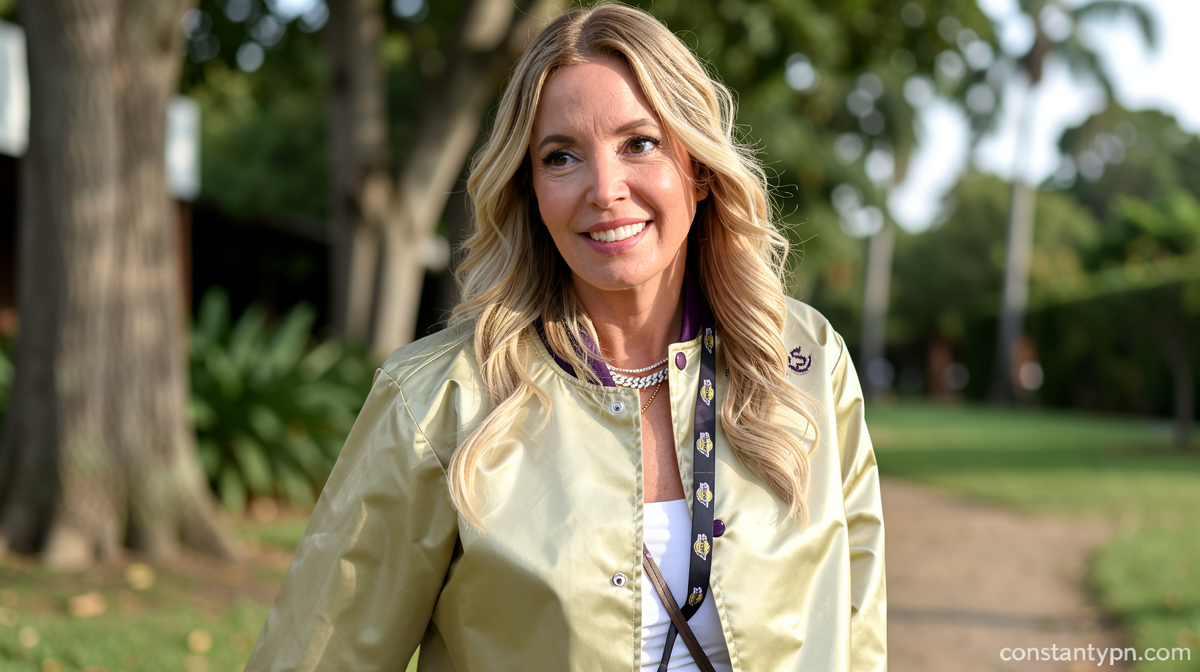
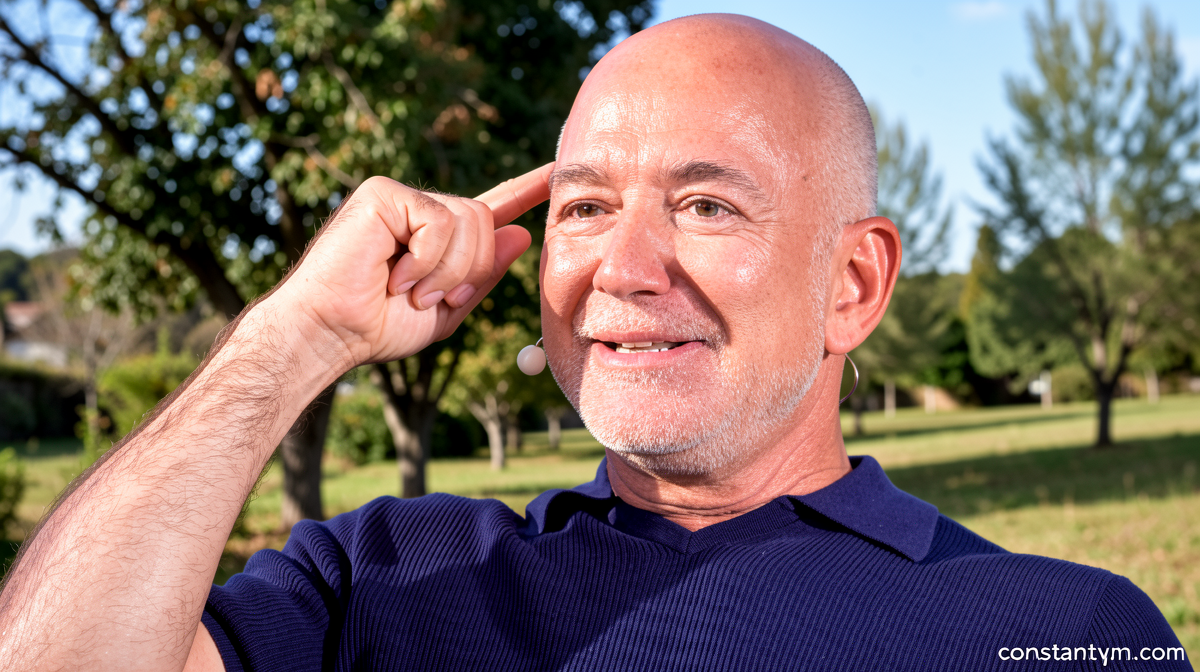
    Constantvpn.com – The woman who steered the Los Angeles Lakers to their 2020 NBA title — the first female controlling owner ever to do so in the league’s history — is now locked in a bitter dispute with her own siblings over the franchise’s future. Jeanie Buss, who has served as Lakers governor since her father’s passing in 2013, is preparing to challenge a family vote that would liquidate the remaining 17.8% stake held by the Buss Family Trust.

    The sale she opposes would hand the controlling interest in one of sport’s most storied franchises to a consortium led by Josh Kushner and former Walt Disney Company chairman Bob Iger. The two men struck a deal last week to acquire the majority position from Mark Walter for $12.5 billion (£9.3 billion), a figure that, if ratified by the NBA’s board of governors next month, would set a new benchmark as the priciest sports-team transaction ever recorded.

    The Family Vote and Its Aftermath

    The Buss name has been attached to the Lakers in some ownership capacity since 1979, when Jerry Buss purchased the franchise — along with the Los Angeles Kings hockey club and the venue now branded the Kia Forum — in a $67.5 million (£50 million) transaction. Following Jerry’s death in 2013, control devolved to his six children, with Jeanie assuming the governor role.

    Last year, the family sold a controlling share to Walter for roughly $10 billion (£7.45 billion). That arrangement included a provision guaranteeing Jeanie’s position as governor through 2030. Yet on Monday, the family issued a public statement announcing a collective decision to divest the residual 17.8% holding to the incoming ownership group.

    “We have decided as a family to sell the remaining Buss Family Trust shares to the Bob Iger group as part of the ongoing transaction. We love the Lakers, Lakers fans and will continue to support Los Angeles; but it is time to use this opportunity to move on and exit gracefully while we still can.”

    That statement, however, did not account for Jeanie’s position within the trust’s governance structure. Her attorney, Adam Streisand, responded with a formal letter addressed to her five siblings, asserting that any vote authorizing the sale “would be and is void” because Jeanie, as one of three co-trustees alongside siblings Joey and Janie Buss, must consent to such a disposition.

    Legal Grounds for the Challenge

    Streisand’s letter lays out a layered argument. He contends that the co-trustees carry an obligation to preserve the minimum 15% ownership threshold so that Jeanie can continue functioning as controlling owner. He warns that any co-trustee who facilitates or supports a sale vote without her participation would commit a breach of trust, a breach of fiduciary duty, and conduct amounting to contempt of court.

    “On behalf of Jeanie Buss, I demand that your clients make clear publicly that Jeanie Buss is the controlling owner of the Los Angeles Lakers and that your clients shall take no action on this supposed ‘vote’ to sell the 17.8% stake.”

    The dispute raises questions about how family-held sports assets are governed when multiple heirs hold joint fiduciary roles. In practice, the outcome could reshape not only who controls the Lakers but also whether Jeanie’s governorship — enshrined in the prior transaction’s terms — survives intact.

    Walter’s Windfall and the Kushner Connection

    For Walter, the Kushner-Iger deal represents a remarkably swift return on capital. Having acquired his position from the Buss family for approximately $10 billion last year, he would realize a profit of around $2.5 billion (£1.9 billion) within roughly twelve months. Walter, who also holds a minority stake in the Los Angeles Dodgers alongside Chelsea Football Club chairman Todd Boehly, has built a portfolio spanning multiple marquee Los Angeles franchises.

    Kushner’s involvement carries additional scrutiny. He is the brother of Jared Kushner, son-in-law of President Donald Trump, and his venture-capital firm Thrive Eternal was positioned to anchor an investor group for FIFA’s Forward Enterprise proposal — a plan to monetize stakes in the governing body’s competitions. That initiative was ultimately shelved amid controversy surrounding FIFA president Gianni Infantino, lending a layer of institutional controversy to Kushner’s current sports-ownership ambitions.

    What the Lakers Legacy Looks Like

    The franchise at the centre of this dispute carries 17 NBA championships, eleven of which were won during the Buss era of ownership. That tally sits one title behind the Boston Celtics’ all-time record. For Jeanie, the question is whether her role as governor — and the continuity of family influence she helped preserve through the 2020 title run — can survive a transaction she did not authorize and does not endorse.

    The NBA board of governors is expected to consider the Kushner-Iger acquisition next month. Until that vote occurs, the Lakers’ ownership structure remains in flux, and the Buss family’s four-decade relationship with the franchise hangs in the balance of a courtroom dispute between siblings.

    Frequently Asked Questions

    What is Buss trying to block siblings sale?

    Buss trying to block siblings sale is the main topic of this guide. The article explains the context, practical details, and next steps readers should understand.

    Why does Buss trying to block siblings sale matter?

    Buss trying to block siblings sale matters because readers are looking for a useful answer, not just a short summary. Good content should match search intent and help them decide what to do next.

  • Bezos consortium bought almost 40% of Liverpool

    Bezos consortium bought almost 40% of Liverpool

    Amazon Founder Joins Consortium Acquiring Major Stake in Liverpool Football Club

    Constantvpn.com – The ownership landscape of English football’s most decorated club has shifted dramatically after Fenway Sports Group confirmed a definitive agreement to sell a strategic minority investment in Liverpool to a new investor group called 1892 Holdings. The transaction, valued at between £5 billion and £6 billion, places the American tech giant Jeff Bezos among the principal owners of one of the world’s most valuable football franchises. The consortium’s name references the year the club was founded, anchoring its identity to the institution’s 133-year history rather than to any single investor.

    The Scale of the Transaction

    Initial coverage suggested the group had acquired roughly one-third of the club’s equity. The final figure, however, sits closer to 38 percent — a substantially larger slice than first indicated. That distinction matters because it places the new investors firmly in the territory of meaningful influence over board-level decisions, even short of outright control. Fenway Sports Group, the Boston-based sports investment firm that has owned Liverpool since 2010, described the arrangement as a “definitive agreement” for the sale of a “strategic minority investment,” language that signals a completed commercial deal rather than a preliminary term sheet.

    “Definitive agreement” for the sale of a “strategic minority investment” to 1892 Holdings.

    The agreement also embeds an option allowing the consortium to purchase a controlling stake within the following twelve months. That option does not constitute a formal obligation; it is a right, not a duty. Should the investors choose to exercise it, the balance of power at Anfield would tilt decisively toward the new group. For now, however, FSG retains majority ownership and day-to-day operational authority.

    Who Sits at the Table

    The consortium is fronted by Amit Bhatia, a British-Indian businessman and millionaire who will assume the role of vice-chairman at Liverpool, subject to regulatory clearance. He will also take a seat on an expanded board of directors. Bhatia’s entry into football ownership is not new: for eighteen years he served as a director and co-owner of Queens Park Rangers, a London-based club in the English professional league system. He relinquished his QPR stake last month, clearing the path for his Liverpool appointment.

    His presence is reinforced by two other figures of considerable financial weight. Jeff Bezos, founder of Amazon and consistently ranked among the wealthiest individuals on the planet, brings both capital and global brand recognition. Eduardo Saverin, co-founder of Facebook (now Meta) and a billionaire in his own right, rounds out the investor trio. Together, the three represent a combination of technology-sector wealth, sports-industry experience, and international business networks that few rival ownership groups can match.

    Bhatia’s Background and Family Ties

    Bhatia’s personal history extends well beyond football. He is the son-in-law of Lakshmi Mittal, the Indian steel magnate whose family controls one of the largest integrated steel producers globally. That connection places Bhatia within a broader ecosystem of industrial capital and cross-border commercial relationships spanning South Asia, Europe, and North America. His eighteen-year tenure at QPR, meanwhile, gave him sustained exposure to the operational, regulatory, and fan-relations challenges of running a professional football club in England — experience that will inform his vice-chairman duties at a club operating at a considerably higher commercial tier.

    Valuation and Market Context

    The implied valuation of Liverpool at £5 billion to £6 billion positions the club among the most expensive football assets ever transacted. For context, FSG purchased the club in 2010 for approximately £300 million. The appreciation over roughly fifteen years reflects not only on-pitch success — including multiple Premier League titles and Champions League trophies — but also the broader inflation of football’s commercial revenues, broadcasting rights, and global fan monetisation. A minority stake priced within that range signals that even a partial interest in a top-flight English club now commands a price comparable to mid-cap equities in other sectors.

    What Changes, and What Does Not

    In the immediate term, the operational structure of the club remains intact. FSG continues to hold majority ownership, and the existing sporting hierarchy — from head coach to technical director — is unaffected by the equity transaction. The expanded board and Bhatia’s vice-chairman role, once cleared by regulators, will introduce new voices into governance without displacing the current management team. The twelve-month option for a controlling stake introduces a variable: should the investors choose to consolidate their position, the club’s ultimate decision-making authority would migrate from Boston to the new consortium’s centre of gravity.

    For supporters, the transaction raises familiar questions about identity, accountability, and the long-term direction of a club whose global following now exceeds 500 million fans. The involvement of technology-sector billionaires in English football is no longer exceptional; it is the prevailing model. What distinguishes this particular deal is the scale of the minority position acquired, the explicit optionality built into the agreement, and the personal profile of the individual who will sit closest to the chair. Liverpool’s next chapter, at least at the boardroom level, now carries the fingerprints of Amazon, Meta, and one of India’s most prominent industrial families.

    Frequently Asked Questions

    What is Bezos consortium bought almost 40 of Liverpool?

    Bezos consortium bought almost 40 of Liverpool is the main topic of this guide. The article explains the context, practical details, and next steps readers should understand.

    Why does Bezos consortium bought almost 40 of Liverpool matter?

    Bezos consortium bought almost 40 of Liverpool matters because readers are looking for a useful answer, not just a short summary. Good content should match search intent and help them decide what to do next.

  • OpenAI makes ChatGPT less ‘human’ for teens in new safety update

    OpenAI makes ChatGPT less ‘human’ for teens in new safety update

    OpenAI Overhauls ChatGPT Experience for Teenagers with New Guardrails

    Constantvpn.com – The company behind the world’s most widely used conversational AI has begun deploying a suite of age-specific safety controls aimed squarely at users under eighteen. The changes, announced today, range from muting the system’s spoken replies to scheduling mandatory breaks and flagging potentially distressing conversations to linked parental accounts. Together, the measures represent the most significant restructuring of ChatGPT’s teen-facing interface since the product first opened its doors to younger users.

    Stripping Away the Human Mask

    Among the most conspicuous additions is the ability to disable the natural-language voice response entirely. For new teen accounts, the option to silence the synthetic voice is available from the outset, a deliberate choice designed to reduce the impression that the user is conversing with another person. OpenAI framed the decision as a general safety precaution rather than a reaction to any single viral incident, though the timing coincides with a widening public debate over whether children are forming parasocial bonds with chatbots they perceive as alive.

    The company also introduced periodic nudges that interrupt a session to remind the young user that they are talking to software, not a companion. One such message simply tells the teen that the conversation “can wait,” encouraging them to step away from the screen. These prompts are scheduled at regular intervals throughout a session rather than appearing only at fixed time limits.

    “Seemingly conscious” AI products “kept him awake at night,” Mustafa Suleyman, head of AI at Microsoft, said last year, expressing alarm over their societal impact.

    Suleyman’s remarks, made by a rival executive, underscore how quickly the question of machine sentience has moved from academic philosophy into mainstream product design. OpenAI’s own messaging stops short of addressing consciousness directly, but the new reminders function as a soft corrective: a gentle, repeated assertion that the entity on the other side of the screen has no inner life.

    Borrowing the Social-Media Playbook

    In structural terms, the teen account framework mirrors the age-gating and parental-oversight models long established by major social platforms. OpenAI’s announcement described the guiding principle as ensuring that teenagers’ use of AI “should come with protections that reflect their developmental stage, reinforce real-world relationships, and support healthy use over time.” The company stated that accounts created by users who self-identify as teenagers at sign-up will default to the teen profile, and that additional accounts it independently classifies as belonging to under-18s will receive the same treatment. How precisely the firm makes that second determination was not detailed in the announcement.

    Children under thirteen remain excluded from the product altogether. For those between thirteen and seventeen, the new controls layer on top of features introduced over the past year, including Study Mode, which walks students through academic problems step by step without simply handing over the final answer. Teens can now designate specific hours during which Study Mode activates automatically, and they can also schedule “quiet times” in which the chatbot is switched off entirely for their account.

    OpenAI noted that nine in ten young users report employing the tool primarily to aid their studies, a statistic the company cited to justify the emphasis on learning-oriented defaults.

    Parental Alerts and the Eating-Disorder Trigger

    A more granular safety mechanism targets conversations that touch on eating disorders. Such prompts have been added to a catalogue of user requests deemed potentially harmful; when a teen’s linked account generates one, the system flags the exchange for parental review. OpenAI specified that a human reviewer examines every alert before it reaches a parent’s inbox, and that the company’s target turnaround time is within one hour of the original request. The firm characterised the feature as focused on “moments when offline support may matter most,” signalling an intent to intervene at points where a conversation may indicate a need for real-world help rather than continued chatbot interaction.

    Separately, the company said it would prompt teens to avoid sharing sensitive personal content with the system, reinforcing a boundary between private life and the conversational interface.

    Regulatory Vacuum and Industry Context

    The rollout arrives in the absence of dedicated AI legislation in the United Kingdom. The government of Sir Keir Starmer had previously weighed restrictions on AI chatbots available to under-18s as part of a broader package of reforms governing children’s social-media use, but no binding rule specific to conversational AI has yet been enacted. Competitors have taken more conservative stances: Anthropic’s Claude remains restricted to adult users, and Google’s Gemini—launched under the working name Bard—initially barred children from its platform entirely.

    The Policy Exchange think tank published a report yesterday finding that the majority of UK universities leave themselves exposed to grade inflation driven by AI assistance, largely because they rely on remotely completed online examinations. Ninety-four per cent of the students surveyed admitted using the technology during assessments, a figure that complicates any argument that academic integrity is preserved simply by permitting laptop use.

    A Broader Cultural Question

    Dr Susan Shelmerdine, a medical imaging physician at Great Ormond Street Hospital and an academic in AI, offered a pointed analogy to the BBC last year. She suggested that clinicians may eventually ask patients about their AI consumption habits in the same routine manner they currently inquire about smoking or alcohol intake.

    “We already know what ultra-processed foods can do to the body and this is ultra-processed information. We’re going to get an avalanche of ultra-processed minds,” she warned.

    Her framing captures a tension at the heart of OpenAI’s new teen controls: the company is simultaneously courting younger users with increasingly sophisticated conversational tools while trying to inoculate them against the very intimacy those tools are engineered to produce. Whether scheduled reminders and parental alerts can counteract the gravitational pull of a system that answers instantly, remembers context, and—until today—spoke in a warm, human-sounding voice remains an open question. The family of a teenager who died last year after a prolonged ChatGPT interaction has publicly argued that existing parental controls fall short of what the situation demands, a critique that OpenAI’s latest update does not directly address.

    For now, the new features constitute a first pass at drawing a line between a learning aid and a companion, a distinction that, for a generation raised alongside always-available conversational interfaces, may prove the hardest boundary to maintain.

    Frequently Asked Questions

    What is OpenAI makes ChatGPT less human for teens?

    OpenAI makes ChatGPT less human for teens is the main topic of this guide. The article explains the context, practical details, and next steps readers should understand.

    Why does OpenAI makes ChatGPT less human for teens matter?

    OpenAI makes ChatGPT less human for teens matters because readers are looking for a useful answer, not just a short summary. Good content should match search intent and help them decide what to do next.

  • Officers told not to pursue car on wrong side of motorway, says police body

    Officers told not to pursue car on wrong side of motorway, says police body

    Constantvpn.com – The collision occurred on the M9 Northbound at Junction 3 at about 03:00 local time on Sunday Gardaí (Irish police) were instructed to disengage from pursuing a car as it drove in the wrong direction on a motorway before a fatal crash, the Garda Representative Association has said. Five teenagers were killed in the head-on crash on the M9 in County Kildare on Sunday morning. Two women are in a critical condition, while another woman and a seven – year-old boy are in a serious condition.

    Assistant General Secretary of the Garda Representative Association (GRA), Tara McManus, told the BBC that garda roads policing officers "do not have pursuit training". McManus said the teenagers had been in the car for a number of hours before the collision and gardaí had attempted to interact with them and bring the vehicle to a stop on "several occasions". She added that officers were given a command to "disengage" with the car after it took "evasive action".

    According to the Irish Minister for Justice Jim O'Callaghan, the head of the gardaí said he would introduce pursuit training this year. The crash happened on the M9 Northbound at Junction 3 at about 03:00 local time. The five teenagers who died have been named locally as Joe Carthy from Athy, County Kildare, Alex McCarthy from Carlow, Kamil Pustkowski from Limerick, Jeremy O'Brien and Jack Kennedy, according to Irish broadcaster RTÉ.

    St Michael's Boxing Club in Athy paid tribute to Joe Carthy, saying it was "deeply saddened" to learn of his death and said their thoughts were also with those who were seriously injured in the collision and their families. The injured family – two women aged in their 30s and one in her 20s, and the young boy – are understood to be from Carlow. Jack Kennedy, Kamil Pustkowski, Jeremy O'Brien, Alex McCarthy and Joe Carthy, were killed in the crash It was the second crash within days involving a car being driven in the wrong direction on a motorway in the Republic of Ireland.

    The taoiseach (Irish Prime Minister) Micheál Martin expressed concern that "in some cases it is being done for likes on social media". On Tuesday, Ireland's media regulator Coimisiún na Meán said it has asked TikTok to outline how it has responded to risky and reckless driving content on its platform. Its chairperson Jeremy Godfrey told RTÉ that Coimisiún na Meán will assess if TikTok is breach of its obligations , external and if so, it can take "enforcement action".

    He added that content showing dangerous driving is "clearly very damaging" and it is the responsibility of social media platforms to make sure they deal with the risks, to take it down and not to amplify it. Fianna Fáil TD John McGuinness says media platforms need to be regulated Fianna Fáil TD for Carlow-Kilkenny, John McGuinness, said media platforms need to be regulated "to ensure that they are not glorifying the actions of these individuals". He told BBC News NI that legislation is needed to "empower" gardaí, adding that "training is part of it to ensure that they can react constructively to this without jeopardising their own lives and, indeed, without causing a criminal offence on their side".

    "The country is shocked by what happened. The local community is certainly numbed by all of the deaths and, indeed, the fact that the incident happened the way that it did," McGuinness said. "There is a lot of anger because of the way this happened, because of the fact the car was driving down the wrong way on the motorway," he said.

    "People are looking now through that anger for action from the government to deal with these issues in a comprehensive way." The crash happened between junction 3 and junction 4 of the M9 motorway The GRA, which supports rank and file garda officers, would support harsher sentences and driving bans for dangerous behaviour on the roads, according to McManus. She told the BBC's Good Morning Ulster programme that officers responding to the Kildare incident deployed stinger devices in an attempt to stop the car, but it proceeded to travel towards the motorway. "At that stage our members would not continue in that pursuit and the directions that were given by our command and control centre were to disengage," she said.

    "That would be the normal procedure for us that we do not engage with a car that has decided to take that sort of evasive action." "Our roads policing officers, whose speciality is obviously roads policing, do not have pursuit training," she said. She added that officers could face serious personal consequences if they took action without the appropriate training. McManus also described the aftermath of the crash as "horrific" for the officers who attended the incident.

    She said gardaí who witnessed the scene could require counselling for "months or years" to deal with the psychological impact of what they witnessed. 'A critical shortfall' – a Donegal garda tells Nolan public would be 'shocked' at lack of pursuit training for officers Brendan O'Connor, a Donegal garda and a former president of the GRA, said he believed the public would be "shocked" at the lack of pursuit training. "The GRA have raised this for many, many years," he told the BBC's Nolan Show , adding that it was a "pressing police issue" and the "terrible events in Kildare" expose a "critical shortfall" in capacity.

    "There has been massive investment in An Garda Síochána, contrary to what's happening in Northern Ireland in relation to [police] funding , but police driver training has just seemed to be on the back foot and not prioritised," he claimed. An Garda Síochána has been contacted for comment. As regards Northern Ireland, the Police Service of Northern Ireland (PSNI) said it adheres to the UK's national pursuit policy.

    It said initial phase pursuit training is open to all response officers in the PSNI, depending on the numbers of training opportunities available. It added that for tactical phase pursuit, "national role profiles can dictate which officers attend, especially for officers in specialised units like roads policing, Armed Response Unit or the Headquarters Mobile Support Unit". The PSNI said that when training requests are submitted, "the aim is to ensure that the most appropriate officers receive this training, for example, a constable in a vehicle every day and therefore those most likely to be on the ground are generally selected so the benefit of the training is maximised".

    It added that "senior ranks are not ruled out of this training if it is suitable for the work they are doing within the service". Leo Lieghio, vice president of the Irish Road Victims Association, has called for greater urgency in tackling road deaths in Ireland. Lieghio's 16-year-old daughter, Marsia, was knocked down by a driver travelling at 50mph at a pedestrian crossing in Dublin in 2005.

    She died in hospital six days later. He said the families of those killed and injured will be experiencing "torment". "Their lives have been turned upside down through no fault of their own.

    They will be going through hell." Lieghio added that there needs to be a stronger focus on consequences and early intervention, particularly for dangerous or criminal behaviour on the roads. He called for a "reform programme" aimed at young people involved in criminal activity on the roads, alongside greater responsibility from drivers and the wider public. There have been 123 road deaths in the Republic of Ireland so far in 2026, 18 more than at the same point in 2025.

    , external Lieghio said each death has consequences that extend far beyond the person who loses their life. "I can imagine what's going on in those hospitals now. I sat beside my daughter's bed for six days, praying and hoping for something to change, but she couldn't fight anymore," he said.

    The parish priest of Athy said his "heart, thoughts and prayers" are with all of those impacted by the "tragic situation". Fr Seamus McEntee said he travelled along the same stretch of the motorway just hours before the crash took place. He said the people he has spoken to feel "a mixture of emotions" and are "carrying sadness, anger, compassion and grief".

    Frequently Asked Questions

    What is Officers told not to pursue car?

    Officers told not to pursue car is the main topic of this guide. The article explains the context, practical details, and next steps readers should understand.

    Why does Officers told not to pursue car matter?

    Officers told not to pursue car matters because readers are looking for a useful answer, not just a short summary. Good content should match search intent and help them decide what to do next.
  • Young adults are taking prescription drugs instead of alcohol – and it’s dividing experts

    Young adults are taking prescription drugs instead of alcohol – and it’s dividing experts

    Prescription Pills Are Replacing Pints for a Generation That Wants to Party Without the Crash

    Constantvpn.com – A quiet shift is reshaping how young adults in Britain and beyond approach the social scene. Where a generation ago the answer to a nervous Friday evening was a round of pints, a growing cohort of people in their early twenties now reaches for a small bag of tablets before heading out the door. The substances in question — most commonly the anti-seizure medication pregabalin paired with a beta-blocker such as propranolol — are being sourced online, often without a doctor’s oversight, and are being promoted across social media as a way to loosen up, talk to strangers, and enjoy company without the next-day wreckage of heavy drinking.

    The phenomenon has split the medical and addiction-research community. Some clinicians see a rational response to a generation grappling with unprecedented levels of social anxiety. Others warn that self-medicating at high doses, without monitoring, carries genuine risks of dependency and, in extreme cases, fatal outcomes.

    From Silence to the Pill Bottle

    Matt, a 22-year-old warehouse operative from northern England whose name has been changed for privacy, spent years navigating nights out by drinking himself into a state of numbness. If he skipped the alcohol, he says, he would sit in silence all evening, paralysed by fear of saying something wrong.

    “It felt like there was just no way into the conversations everyone else seemed to be enjoying.”

    Two years ago, after discovering the practice through social media, Matt replaced his nightly rounds with a regimen he now assembles before every outing: a dose of pregabalin, a drug typically prescribed for epilepsy and neuropathic pain, bought illegally from an online vendor, combined with a beta-blocker to dampen the racing heartbeat and trembling hands that accompany his anxiety. He describes the result as giving him the social ease of alcohol minus the hangover.

    “The amount of alcohol you have to drink to replicate the effects of these is really unhealthy and it doesn’t feel good.”

    He says the combination leaves him feeling “euphoric,” silences the looping anxious thoughts, and makes conversation feel effortless. What began as a tool for Friday nights has, he admits, crept into dates and family gatherings. Without the pills, he says, many social situations are ones he “would not even bother to attempt.” Matt insists he is not dependent, though he notes he has already tried conventional therapy for his social anxiety without lasting relief.

    The Numbers Behind the Trend

    Matt’s experience is not an isolated anecdote. A survey conducted last year by the charity Drinkaware found that 26 per cent of 18- to 24-year-olds in the United Kingdom reported not drinking alcohol at all — up sharply from just 7 per cent in 2012. The same cohort is being labelled the “sober generation” by commentators tracking lifestyle shifts.

    At the same time, anxiety levels among young adults have climbed. A study published last year by University College London reported that 28 per cent of people in their early twenties in England experience high levels of anxiety, and that serious mental illness is markedly more prevalent among members of Generation Z than it was among millennials at the same age.

    Prof Emily Jones, a psychologist at King’s College London, points to the pandemic as a likely accelerant. Lockdowns, she argues, effectively trained an entire generation to dread face-to-face interaction, embedding a fear of social contact that persists long after restrictions ended.

    “Stacking” and the Social-Media Pharmacy

    The substances at the centre of this trend arrive in two main forms. Pregabalin and propranolol come as oral tablets. A second wave involves peptides — short chains of amino acids — that users inject, often following tutorials from online influencers. Hashtags tied to these medications surface thousands of short-form videos in which creators encourage followers to build their own personalised cocktail of compounds, a practice known online as “stacking.”

    The same voices that champion these stacks routinely advise followers to steer clear of alcohol entirely, reinforcing the perception that the pills represent a superior path to social comfort.

    Liam Knowles, an addiction researcher at Teesside University, cautions that the appeal is understandable but misleading. Users wake up without the fog and nausea of a hangover, and because the substances carry the label “medication,” they assume safety.

    “[Users] don’t feel as bad the next day and it’s a medication — so people think it’s safer.”

    He estimates there is “probably a substantial amount of people that are getting addicted,” though precise prevalence figures remain elusive because so many users obtain their pills without ever visiting a GP.

    What the Medical Literature Warns

    Clinicians highlight several concrete dangers. Taken at high doses without supervision, pregabalin can depress breathing and, in rare combinations with other sedatives, prove life-threatening. Prolonged use fosters physiological dependence; users report that they can no longer face any social setting without the drug. Withdrawal symptoms documented in case reports include heightened anxiety, insomnia, and, in some individuals, suicidal ideation.

    A study published in the journal Nature Communications estimated that global consumption of pregabalin has more than quadrupled in recent years, a surge researchers attribute partly to off-label and self-directed use among younger populations.

    Why It Matters Now

    The convergence of three forces — a generational retreat from alcohol, a spike in social anxiety amplified by pandemic-era isolation, and a social-media ecosystem that normalises self-prescribing — has created a feedback loop. Young adults who feel unable to socialise without chemical assistance are funneled toward substances marketed as “cleaner” alternatives, while the very platforms that promote those substances simultaneously discourage drinking, deepening the perception that pills are the only acceptable social lubricant.

    For clinicians, the challenge is twofold: validating that social anxiety is a real, treatable condition worthy of medical attention, while ensuring that the pathway to treatment runs through a doctor’s office rather than an online marketplace and a fifteen-second video. Until that infrastructure catches up, the gap between a young person’s need to feel safe in a room and the safest way to get there will continue to be filled by whatever the algorithm recommends next.

    Frequently Asked Questions

    What is Young adults are taking prescription drugs?

    Young adults are taking prescription drugs is the main topic of this guide. The article explains the context, practical details, and next steps readers should understand.

    Why does Young adults are taking prescription drugs matter?

    Young adults are taking prescription drugs matters because readers are looking for a useful answer, not just a short summary. Good content should match search intent and help them decide what to do next.
  • National Television Awards pick first all-female shortlist for drama acting award

    National Television Awards pick first all-female shortlist for drama acting award

    NTA Drama Acting Category Goes All-Women for the First Time

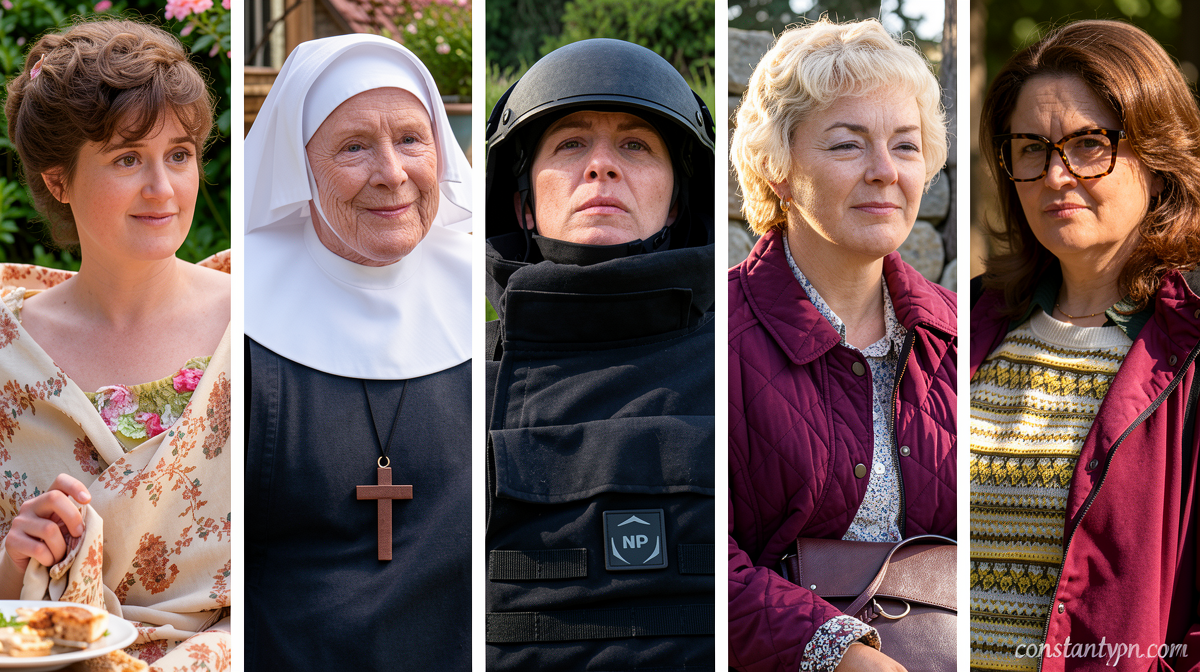
    Constantvpn.com – The National Television Awards have handed over their most prestigious acting honour to an entirely female slate of nominees, marking a first in the ceremony’s nearly three-decade history. The best drama performance shortlist, confirmed through a public ballot, features five actresses whose work across streaming platforms, broadcast television, and prestige period drama spans the breadth of British and international screen storytelling.

    The significance of this particular shortlist extends beyond the individual performances. For the first time since the NTAs began recognising excellence in British television in 1995, no male actor appears among the five finalists for the drama acting gong. The initial longlist, from which the public vote narrowed the field, had included heavyweight male names such as David Tennant, Gary Oldman, Idris Elba, James Norton, and Tom Hiddleston. That the final cut landed exclusively on women underscores both the strength of the year’s female-led dramatic output and the shifting centre of gravity in prestige television casting.

    The Five Nominees

    Sheridan Smith returns to the category as a previous winner, this time nominated for her portrayal of campaigner Ann Ming in ITV’s true-crime drama I Fought The Law. Smith’s earlier NTA win cemented her status as a leading dramatic force, and her return to the shortlist signals continued critical and audience respect for her range.

    Ruth Jones, best known to a generation of viewers as Jo in BBC’s beloved sitcom Gavin & Stacey, is nominated for her role as Elena Ravenscroft in the Netflix thriller Run Away. The nomination marks a notable pivot from comedy into tense, character-driven drama on a global streaming platform.

    Vicky McClure earns her nod for playing Lana Washington in Trigger Point, a role that places her squarely in the arena of high-stakes political thriller television. McClure’s body of work, built over years of gritty British drama, makes this nomination a natural extension of her established screen presence.

    Ella Bruccoleri is shortlisted for her performance as Mary Bennet in The Other Bennet Sister, an alternative period drama that reimagines the Austen universe from a different character’s perspective. The nomination highlights the continued appetite for period storytelling that subverts its own conventions.

    Judy Parfitt rounds out the list for her ongoing role as Sister Monica Joan in Call The Midwife, a long-running ITV series set in post-war London. Parfitt’s nomination acknowledges sustained, multi-season dramatic work rather than a single breakout performance.

    A Second Round of Voting Opens

    With the shortlists now published, a second stage of public voting is underway across all 15 NTA categories. Viewers will cast their ballots from the present moment until midday on 8 September, the day of the ceremony itself. The winners will be announced live at London’s O2 Arena, with the event hosted once again by comedian Joel Dommett and broadcast simultaneously on ITV1 and ITVX from 20:00 BST.

    The NTAs, which have operated since 1995, are structured to celebrate the best of British television over the preceding twelve months. Their public-vote format distinguishes them from peer-judged awards, placing the final decision squarely in the hands of audiences rather than industry panels.

    Stacey Solomon’s Hat-Trick and the Presenter Category

    Elsewhere on this year’s shortlists, Stacey Solomon has accumulated a hat-trick of nominations, including best TV presenter. That particular award carries particular resonance this cycle: last year it was claimed by Gary Lineker, then outgoing Match of the Day presenter, in a result that ended Ant and Dec’s extraordinary 23-year consecutive winning streak in the category.

    For the current year, Solomon will face competition from the Geordie comedy duo themselves, from Sir David Attenborough in the year marking his 100th birthday, from the hit quiz format Traitors, from chat-show host Claudia Winkleman, and from Love Island alum Alison Hammond.

    Reality Docuseries and Comedy Nominations

    The inaugural celebrity-led reality docuseries category pits Solomon and her partner Joe Swash against a field that includes boxer Tyson Fury, motoring presenter Jeremy Clarkson, Emmerdale actor-turned-farmer Kelvin Fletcher, and the comedy-fishing duo of Bob Mortimer and Paul Whitehouse.

    In best comedy, Mrs Brown’s Boys holds a nomination despite the show’s creator and star Brendan O’Carroll suffering a broken jaw this week, which prompted the official cancellation of its festive specials. Other comedy nominees include Amandaland, Changing Ends, Last One Laughing, and Not Going Out.

    Drama, Serial, and Factual Entertainment Fields

    The new drama category features A Woman of Substance, Believe Me, Heated Rivalry, I Fought The Law, and The Other Bennet Sister. The Canadian breakout romance Heated Rivalry qualifies for British consideration owing to its co-production with Sky. Returning drama nominees include Blue Lights, Bridgerton, Call the Midwife, Stranger Things, and Trigger Point.

    Serial drama and serial drama performance categories recognise long-running soaps such as Coronation Street, EastEnders, Emmerdale, Hollyoaks, and Casualty, with individual acting nods going to Aaron Thiara, Gareth Pierce, Jeff Hordley, Paul Bradley, and Sue Devaney for their respective roles.

    The factual entertainment, daytime, talent show, quiz show, authored documentary, and Bruce Forsyth Entertainment Award categories round out the 15-award structure, ensuring that the ceremony spans the full spectrum of British television output from the past year.

    Frequently Asked Questions

    What is National Television Awards pick first all female?

    National Television Awards pick first all female is the main topic of this guide. The article explains the context, practical details, and next steps readers should understand.

    Why does National Television Awards pick first all female matter?

    National Television Awards pick first all female matters because readers are looking for a useful answer, not just a short summary. Good content should match search intent and help them decide what to do next.

  • History for Hunt and Asher-Smith in golden finish for GB

    History for Hunt and Asher-Smith in golden finish for GB

    Great Britain’s Birmingham Sweep: A Historic Final Day at the European Championships

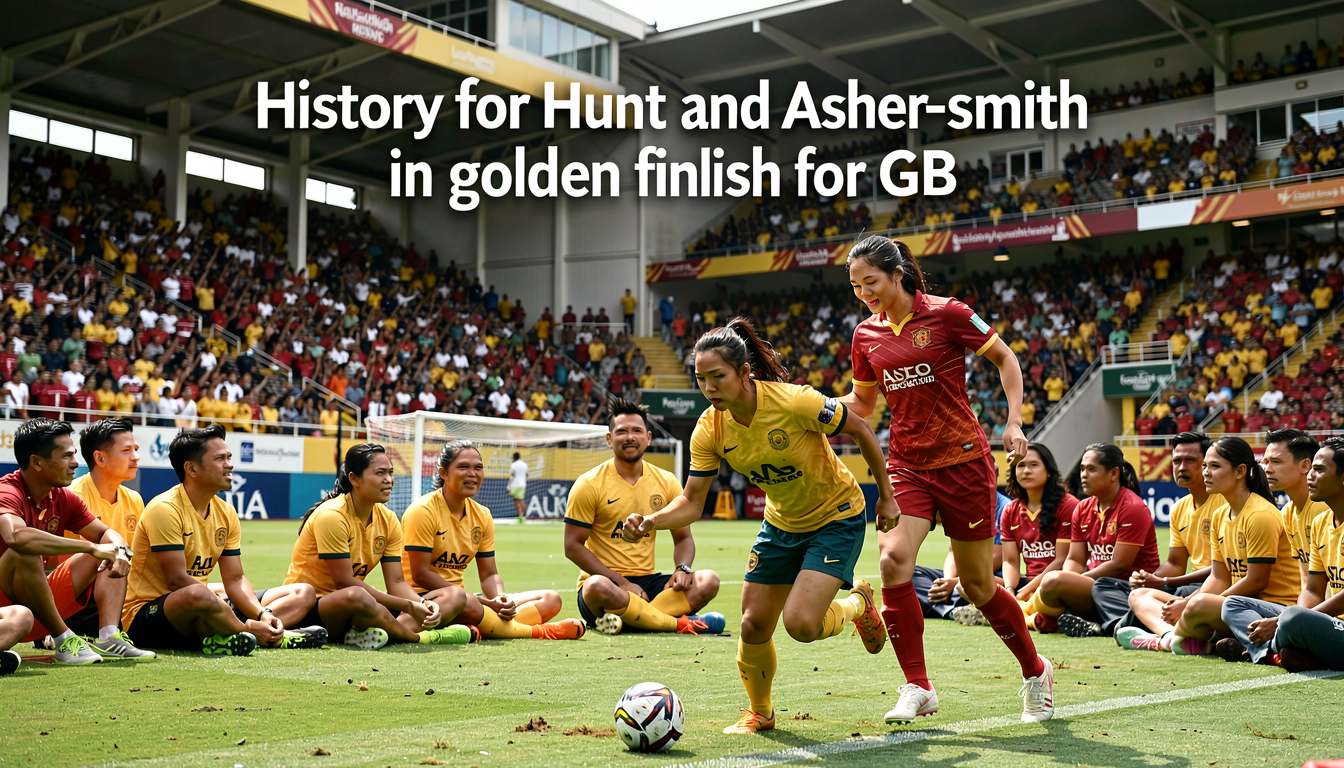
    Constantvpn.com – For the first time in the competition’s 92-year history, the European Athletics Championships were staged on British soil, and the home crowd in Birmingham witnessed a final-day spectacle that will define a generation of sprinting. In a span of roughly 76 minutes, the British squad collected five medals, pushing their overall tally to 19 and cementing a dominant run through the meet. Yet the day’s defining moment belonged to a quartet of sprinters who delivered the ninth gold of the tournament in a mixed 4x100m relay that had never before been contested at this level.

    Hunt’s Unprecedented Fourth Gold

    Amy Hunt, the 24-year-old Cambridge University graduate who had already claimed the 100m, 200m, and women’s 4x100m titles during the week, crossed the line to an unprecedented fourth gold. Anchoring the British relay team behind Jeremiah Azu, Dina Asher-Smith, and Zharnel Hughes, she held off Germany’s Gina Luckenkemper on the home straight and finished in a European record 39.97 seconds. After the finish, the world silver medallist raised four fingers toward the cameras as the sell-out arena erupted.

    “Oh my gosh, I am over the moon. I think to finish it off with some of my best friends in the sport is incredible,” Hunt told BBC Sport.

    Hunt had publicly declared her intention to collect all four sprint titles during the week, aiming to become what she called “iconic.” The weight of expectation mounted with each successive victory, but she delivered under the roar of her home supporters every time she took the baton. Few anticipated any falter once the final exchange began.

    Asher-Smith’s Unmatched Legacy

    For Dina Asher-Smith, the relay baton carried a different kind of weight. At 30, the world 200m champion from 2019 added an eighth gold and an 11th overall medal to her Birmingham haul, making her the most decorated athlete in the championships’ entire history. Her record-equalling seventh gold had come just the night before, a decade after she first stood on a European podium. Despite admitting she felt “absolutely terrified” during what was the inaugural mixed 4x100m relay at these championships, the 22-time international medallist left Birmingham with a legacy that no other competitor in the event’s history has matched.

    Hunt, for her part, described her teammate as “the real life GOAT” after the relay triumph, underscoring the mutual respect between the two women who had dominated every sprint final of the week.

    Hughes Joins an Elite Company

    Zharnel Hughes, running third leg of the mixed relay, surpassed Matthew Hudson-Smith, Mo Farah, and Roger Black to become the most successful British male athlete at the championships with his sixth gold. His role in the relay completed a sweep that saw the British squad take six golds from a possible seven across all sprint events, combining with the separate men’s and women’s 4x100m victories secured less than 24 hours earlier.

    Hunter-Bell’s Commanding 1500m Return

    Georgia Hunter-Bell delivered a performance described as “serene, beautiful” in the women’s 1500m final, controlling the race before surging clear on the final lap to claim gold. The 32-year-old, who made her senior debut for Great Britain in 2024 after a five-year absence from competitive athletics following a promising junior career, added this title to world indoor and Commonwealth Games golds already banked earlier in the year. It marked her seventh international medal in just two seasons.

    Hunter-Bell’s trajectory represents one of the sport’s most remarkable comebacks. Having quit the sport at the height of junior promise, she returned to claim a global podium for the first time at the world indoors in March, secured her first outdoor international title at the Commonwealth Games two weeks before Birmingham, and now aims to complete a quadruple by winning golds at all four major championships in 2026. Her next target is the inaugural World Ultimate Championships in September.

    Italy Edges GB in the Men’s 4x400m

    Great Britain’s ninth gold was narrowly denied in the men’s 4x400m relay, where Italy prevailed by a margin of just 0.03 seconds. Matthew Hudson-Smith, alongside Toby Harries, Ben Jefferies, and Charlie Dobson, crossed the line in silver. The result nonetheless propelled Hudson-Smith past French sprinter Christophe Lemaitre as the most decorated male athlete in championship history with his ninth overall medal.

    The women’s 4x400m relay also produced a British silver. Yemi Mary John, Lina Nielsen, Nicole Yeargin, and Emily Newnham finished 0.58 seconds behind a Dutch quartet anchored by 800m bronze medallist Femke Broeders-Bol.

    Sawyers Falls One Centimetre Short

    In the women’s long jump, Jazmin Sawyers produced a career-best series of marks in her stunning post-injury resurgence, posting a best leap of 6.99 metres. That placed her one centimetre behind Italy’s Larissa Iapichino, who claimed the gold. The margin underscored how razor-thin the competition had become at the elite level.

    What the Birmingham Final Day Means

    The final-day results confirmed that Great Britain’s hosting of the championships produced a home advantage that translated into sustained dominance across the sprint programme. Five medals in under two hours at the close of the meet, combined with the week’s earlier triumphs, gave the British squad a medal haul that no previous home nation had matched in the competition’s history. For Hunt, whose medal collection is still young, the Birmingham performances suggest a trajectory that will keep rivals on alert through the remainder of the 2025 season and beyond. For Asher-Smith, the numbers now speak for themselves: no athlete, male or female, has accumulated more honours across the championships’ nine-decade run. And for Hunter-Bell, the quadruple ambition remains very much alive, with one major title still to chase before the year closes.

    Frequently Asked Questions

    What is History for Hunt and Asher Smith?

    History for Hunt and Asher Smith is the main topic of this guide. The article explains the context, practical details, and next steps readers should understand.

    Why does History for Hunt and Asher Smith matter?

    History for Hunt and Asher Smith matters because readers are looking for a useful answer, not just a short summary. Good content should match search intent and help them decide what to do next.