Author: Anthony Jones – constantvpn.com

  • Parents of seriously ill children should get paid leave, says commissioner

    Parents of seriously ill children should get paid leave, says commissioner

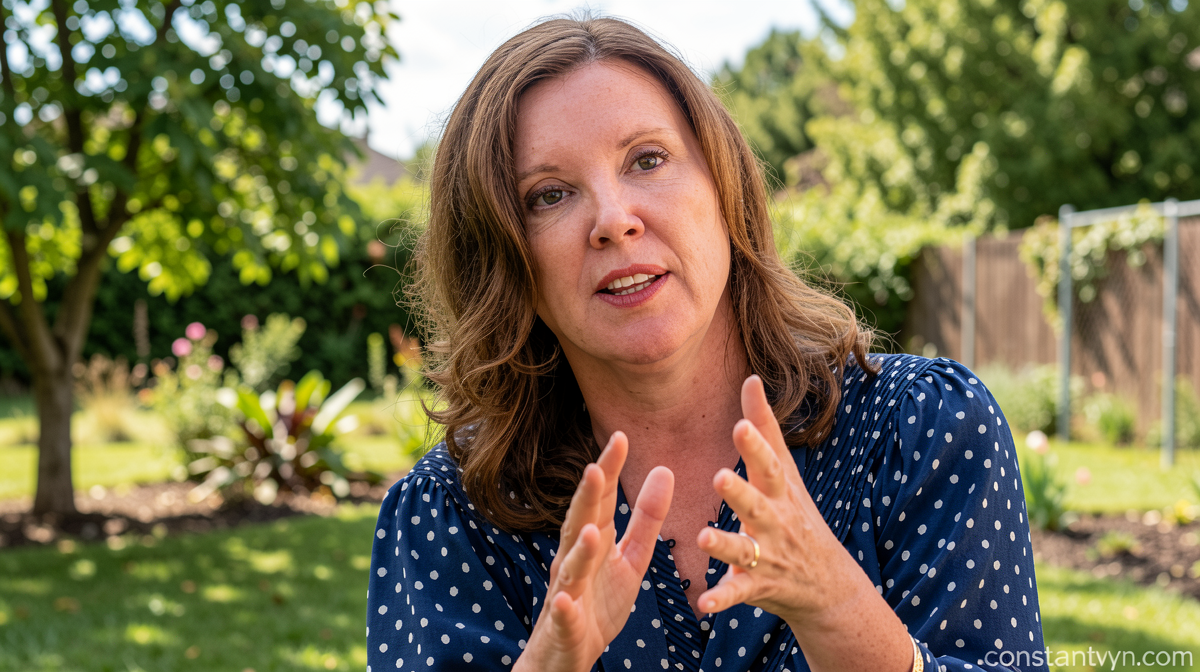
    Commissioner Demands Legal Right to Paid Leave for Parents of Gravely Ill Children

    Constantvpn.com – The UK government’s ongoing consultation on how to financially assist families and unpaid carers in England, Scotland, and Wales is set to close on Monday, and the deadline has sharpened a long-running debate about workplace protections for parents facing a child’s serious illness or disability. Children’s Commissioner Dame Rachel de Souza has thrown her full institutional weight behind a proposal that would create a statutory entitlement to twelve weeks of paid leave at ninety percent of an employee’s usual earnings whenever a child develops a debilitating condition.

    The intervention lands at a moment when thousands of households across the UK are already navigating the collision between caregiving duties and employment obligations. Families dealing with chronic paediatric illness, developmental disabilities, or acute medical crises frequently report having to ration their time between hospital wards and work shifts, often at the cost of income, career progression, or both. Dame Rachel framed the issue bluntly: the current legal framework leaves parents without a guaranteed mechanism to stay at their child’s bedside without forfeiting their livelihood.

    “Parents should not be forced to choose between being at their seriously ill child’s bedside and keeping their job.”

    What the Commissioner Is Proposing

    Beyond the headline twelve-week paid-leave entitlement, Dame Rachel outlined a package of complementary measures. She urged that the existing five days of unpaid carer’s leave per year be doubled to ten days, and that a separate category of paid carer’s leave be introduced into employment legislation. The rationale is straightforward: short, unpaid absences are often insufficient for families managing complex or fluctuating care needs, and the absence of pay during those days pushes many parents back into work before their child’s situation stabilises.

    She also endorsed what she termed a “right to return to work” following extended periods of absence. In her framing, such a guarantee would allow families whose children have ongoing, variable care requirements to remain attached to their employer while still delivering the day-to-day support those children need. The proposal thus addresses not only the acute crisis moment but the longer arc of chronic paediatric illness, where caregiving demands can stretch over months or years.

    The Menai-Davis Campaign and Hugh’s Law

    The commissioner’s intervention follows sustained campaigning by Frances and Ceri Menai-Davis, parents of Hugh, who died of cancer at the age of six in 2021. Since his death, the couple has lobbied for a change to employment law that would oblige employers to guarantee three months’ salary to any parent whose child confronts a serious physical or mental illness. Their advocacy has been central to what is now referred to as Hugh’s Law, a legislative push to codify bedside-presence rights for parents in hospital settings.

    In June, Ceri Menai-Davis articulated the gap in existing protections with stark clarity:

    “There’s no specific right that allows the parents to legally be by the bedside of the child in hospital. If you’re a parent with a child, there is nowhere else you are going to be other than their bedside.”

    The Menai-Davis campaign has drawn widespread public sympathy and has kept the question of parental caregiving rights firmly on the political agenda. Their experience mirrors that of countless other families who, upon receiving a diagnosis, find themselves without a clear legal pathway to remain present for their child while retaining some degree of financial stability.

    Government Response

    Kate Dearden, minister for the future of work, acknowledged the emotional weight of the issue as the consultation nears its close. She stated:

    “Serious childhood illness is a heartbreaking situation for families. I’ve been incredibly moved by the powerful stories we have heard, and we will move quickly to consider how we can strengthen support and employment rights for families facing serious childhood illness.”

    The minister’s remarks signal that the government intends to move beyond the consultation phase into substantive policy design, though no timeline for legislative action has been announced. The scope of the consultation covers financial support mechanisms for families and unpaid carers across England, Scotland, and Wales, meaning any resulting measures would need to account for devolved administrative arrangements.

    Why This Matters Beyond the Individual Family

    The question at the centre of this debate is not merely one of compassion; it is a structural labour-market issue. When a parent must quit or reduce hours because no paid-leave mechanism exists, the household loses income, the employer loses a trained worker, and the state faces downstream costs in benefits, health services, and lost tax revenue. A statutory paid-leave right, properly funded and administered, would redistribute some of that risk from the individual family to the collective system, much as existing maternity and paternity leave provisions already do for new parents.

    For families managing conditions that are chronic rather than acute—autoimmune diseases, cerebral palsy, neurodevelopmental disorders, long-term cancer treatment—the proposed right to return to work after extended absence addresses a gap that current employment law leaves entirely unregulated. Without such a guarantee, a parent who steps away for six months to manage a child’s treatment may find their position eliminated on return, compounding the very financial precarity the leave is meant to alleviate.

    As the consultation closes and the government signals its intention to act, the coming months will determine whether the UK’s employment framework evolves to recognise that caregiving for a gravely ill child is not a private sacrifice to be absorbed silently by one parent, but a social responsibility warranting institutional support.

    Frequently Asked Questions

    What is Parents of seriously ill children should?

    Parents of seriously ill children should is the main topic of this guide. The article explains the context, practical details, and next steps readers should understand.

    Why does Parents of seriously ill children should matter?

    Parents of seriously ill children should matters because readers are looking for a useful answer, not just a short summary. Good content should match search intent and help them decide what to do next.

  • Seven arrested after death of newborn baby girl

    Seven arrested after death of newborn baby girl

    Seven Held on Murder Charges After Newborn Girl Found Dead in Sheffield Home

    Constantvpn.com – A newborn baby girl was confirmed dead at a residential address in Sheffield’s Wincobank district on Sunday morning, prompting the arrest of seven individuals on suspicion of murder. South Yorkshire Police dispatched officers to a property on Holywell Heights at approximately 06:00 BST after receiving reports that the infant’s safety was in question. Despite the combined efforts of responding police officers and ambulance paramedics, the baby was pronounced dead at the scene.

    What Happened on Sunday Morning

    The call to Holywell Heights came in the early hours of Sunday, a time when most households are still asleep. Neighbours or household members apparently raised alarm about the condition of the newborn, triggering the emergency response. By the time paramedics reached the property, the infant was already beyond rescue. The speed with which officers and medical responders arrived did not alter the outcome, a detail that underscores how little margin exists when a newborn’s condition deteriorates.

    Within hours of the discovery, seven people were taken into custody. The charge level — suspicion of murder — signals that detectives believe the death was not the result of accident or natural causes. The scale of the arrests, involving seven separate individuals, suggests that multiple adults were present in the home at the time of the incident, and that police are treating the situation as one requiring a coordinated, multi-suspect inquiry rather than a single-perpetrator case.

    Police Response and Ongoing Inquiry

    Det Ch Insp Emma Knight, speaking on behalf of South Yorkshire Police, confirmed that the force was still working to establish the ages of some of those detained. That detail matters: if any of the seven are minors, the procedural path of the investigation changes, and the public-facing narrative shifts accordingly.

    “We are aware news of this will be deeply concerning and I want to reassure our local communities that we have a dedicated team of detectives and officers hard at work to ensure justice is secured for the baby girl at the heart of this investigation.”

    Knight also urged the public to exercise restraint while the case unfolds.

    “Our investigation is in its early stages and we would like to remind people to avoid speculating about this incident.”

    Wincobank and the Local Community

    Wincobank sits in the eastern part of Sheffield, a neighbourhood of terraced housing and small streets where residents know one another by sight if not by name. A newborn death in such a close-knit setting tends to ripple outward quickly, reaching families who share the same school runs, shop queues, and community centres. The police statement’s explicit reference to “local communities” acknowledges that the emotional fallout will extend well beyond the immediate household.

    For residents of Holywell Heights and surrounding roads, the early-morning arrival of police vehicles and ambulance lights would have been visible from nearby windows. In a residential area of this density, the event is unlikely to remain confined to the property involved. Neighbours may have been among those who first raised the alarm, and the community will now face the difficult task of waiting for answers while managing grief and uncertainty.

    What a Murder Investigation Involves at This Stage

    When South Yorkshire Police open a murder inquiry into a newborn’s death, the initial phase typically encompasses a thorough scene examination, collection of forensic evidence, interviews of every person present or recently present, and review of any available medical records for the infant. The fact that seven people were arrested simultaneously suggests detectives had enough preliminary information to identify a group of suspects rather than proceeding one by one.

    Questions that will occupy investigators in the coming days include: the precise timeline of events leading up to the emergency call; the relationship between the arrested individuals and the baby; whether any of the seven were the infant’s parents, guardians, or visitors; and the medical circumstances surrounding the child’s final hours. Until those questions are answered, police have asked the public to refrain from drawing conclusions.

    Broader Context: Newborn Deaths and Police Procedure

    In England and Wales, every death of a child under five triggers a coroner’s inquest, and when police are involved in the circumstances of death, the Crown Prosecution Service will review evidence before any formal charge is laid. The initial arrest on suspicion of murder is a procedural step that allows detectives to gather statements, secure digital evidence, and interview suspects under controlled conditions. It does not, in itself, constitute a conviction, and many such arrests ultimately lead to charges at a lower level or to no prosecution at all.

    South Yorkshire Police, which serves the four boroughs of Sheffield, Rotherham, Doncaster, and Barnsley, routinely handles cases of this sensitivity. Det Ch Insp Emma Knight’s role places her at the senior detective level responsible for overseeing the inquiry and communicating with the public. Her emphasis on a “dedicated team” signals that resources have been allocated specifically to this case, separating it from the force’s day-to-day workload.

    What Families and Neighbours Can Expect

    In the immediate aftermath, families of the baby will be supported by specialist officers and, where appropriate, by local bereavement services. Neighbours who wish to offer support are generally advised to do so quietly and without pressuring household members for details. The police request to avoid speculation is aimed at protecting both the investigation’s integrity and the emotional well-being of those closest to the child.

    As the inquiry progresses, further updates may follow regarding charges, bail decisions, or the formal identification of those involved. Until then, the community of Wincobank and wider Sheffield will wait for the next confirmed information from South Yorkshire Police, carrying with it the weight of a life that ended before it had truly begun.

    Frequently Asked Questions

    What is Seven arrested after death of newborn?

    Seven arrested after death of newborn is the main topic of this guide. The article explains the context, practical details, and next steps readers should understand.

    Why does Seven arrested after death of newborn matter?

    Seven arrested after death of newborn matters because readers are looking for a useful answer, not just a short summary. Good content should match search intent and help them decide what to do next.
  • Fery beaten by Buse in Winston-Salem final

    Fery beaten by Buse in Winston-Salem final

    Peru’s Buse Claims Winston-Salem Crown as Fery Falls Short of First Title

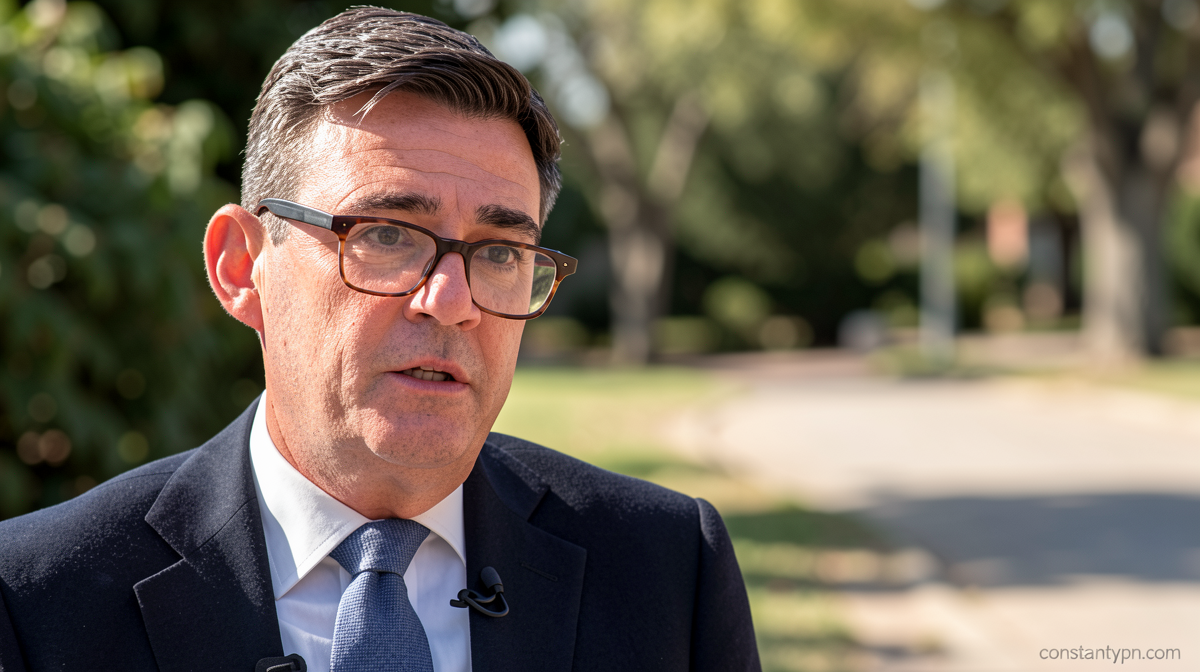
    Constantvpn.com – The dream of a maiden ATP Tour title slipped away on a North Carolina clay court on Saturday, as 24-year-old Arthur Fery was dismantled in straight sets by Ignacio Buse in the Winston-Salem Open final. The Peruvian, just 22, closed out a 6-3, 6-2 victory to claim his second professional title and etch his name into the tournament’s record books as its youngest champion.

    For Fery, the defeat stings in a particular way. Weeks earlier at Wimbledon, he had stunned the tennis world by marching through to the semi-finals of his home Grand Slam, a run that lifted him from outside the top 100 into the conversation about Britain’s next generation of elite players. Now, with the dust settling on that extraordinary fortnight, the reality of a final-set scoreline — or rather, the absence of one — left him without hardware to show for the summer’s most remarkable British campaign.

    A Ranking Leap and a British Throne

    The silver lining, if such a phrase applies to a lost final, is positional. Fery’s run to the Winston-Salem final propels him up to world number 33 on Monday’s rankings, displacing Cameron Norrie as Britain’s highest-ranked male player. The climb has been vertiginous: barely eight weeks before his Wimbledon semi-final appearance, he was still ranked outside the top 100. The trajectory from obscurity to the top tier of men’s tennis, compressed into a single summer, remains almost unprecedented for a British man of his age.

    Buse, meanwhile, extends his own upward curve. The Peruvian’s triumph in Winston-Salem follows his May victory over American Tommy Paul at the ATP 500 event in Hamburg, giving him two career titles before his 23rd birthday. At 22, he is the youngest player ever to win the North Carolina tournament, a distinction that underscores how quickly he has inserted himself into the upper echelons of the tour.

    Match Narrative: Control Shifts Early

    The final itself offered little drama after the opening games. Both men traded breaks in the early stages, keeping the score level through the first few points of the contest. Then Buse struck with surgical precision, converting a break to love that swung the set to a 5-3 lead. Fery never recovered that momentum.

    The second set accelerated the Peruvian’s dominance. Buse opened a double-break cushion that Fery could not answer, and although the Briton clawed back one of those breaks, it proved cosmetic. Buse responded with three consecutive games to close out the match and claim the trophy.

    Post-Match Reactions

    Fery, gracious in defeat, directed his words toward his opponent and his own support staff:

    “Congratulations to you and your team, Ignacio, for your second title this year. I want to thank my team as well. It couldn’t be us today but thank you for everything you do for me. We have had a great year and hopefully we can finish strong.”

    Buse, emotional after the win, acknowledged the difficulty of the professional grind:

    “It is very special for me. With all my team, we have been working very, very hard. Some things are very tough that we go through as tennis players, but I also want to congratulate Arthur and his team.”

    US Open Horizon: Musetti Test and a Crowded British Draw

    There is no time for extended reflection. Fery turns his attention to New York, where the US Open opens on Sunday at Flushing Meadows. It will be his first appearance at the tournament, and the draw has handed him an immediate gauntlet: Italian 13th seed Lorenzo Musetti, a player who has already collected a Grand Slam title and consistently competes in the top 15.

    Fery is one of nine British players entered in the main draws at the season’s final Grand Slam. In the men’s bracket, Cameron Norrie and Jan Choinski join him, alongside qualifiers Toby Samuel and Harry Wendelken and lucky loser Jacob Fearnley. On the women’s side, Katie Boulter is accompanied by qualifiers Fran Jones and Harriet Dart. Notably, both Jack Draper and Emma Raducanu are absent through injury, thinning what had been a deep British contingent heading into the autumn.

    The US Open, played on the fast blue hard courts of New York, traditionally rewards players with big serves and aggressive baseline games. For Fery, whose summer has been defined by fearless, attacking tennis on grass and clay alike, the surface change represents both an opportunity and an unknown. His ranking trajectory, his Wimbledon pedigree, and his Winston-Salem final experience all suggest a player operating at a level well above his previous ceiling. Whether that translates into a deep New York run against Musetti and beyond remains the question the coming fortnight will answer.

    Frequently Asked Questions

    What is Fery beaten by Buse in Winston?

    Fery beaten by Buse in Winston is the main topic of this guide. The article explains the context, practical details, and next steps readers should understand.

    Why does Fery beaten by Buse in Winston matter?

    Fery beaten by Buse in Winston matters because readers are looking for a useful answer, not just a short summary. Good content should match search intent and help them decide what to do next.

  • Burnham gets the early prison release changes he wanted – but at what cost?

    Burnham gets the early prison release changes he wanted – but at what cost?

    Constantvpn.com – The prime minister's announcement that he will keep hundreds of criminals behind bars who would otherwise have been released early is one he has wanted to make for weeks. Andy Burnham had already expanded the list of people ineligible for early release and had consistently said he wanted to go further. What is not clear is exactly what has changed to allow him to do so.

    Earlier this month, the Ministry of Justice warned that exempting any more prisoners risked "prisons reaching capacity and collapsing". The prime minister himself previously said he had "pushed to the very limits of what is possible to do". In his exclusive interview with BBC Breakfast, Burnham picked out the release of people on controversial indefinite sentences and the deportation of foreign criminals as measures that had made his latest intervention possible.

    It is understood extra capacity will also be created by immediately beginning work to create new cells in existing prisons. But none of these are short-term solutions. Ending indefinite sentences will require new legislation, meaning it could be years before space is freed up.

    Previous governments have struggled to quickly deport foreign offenders and there are not thought to be any new returns agreements with other countries. Retrofitting prisons to create more cells is also expected to take months. Watch: PM confirms PC Harper's killers will remain in prison People in government concede that in the short-term, Burnham will only be able to follow through on today's announcement by making prisons even more full.

    With the adult male prison estate already running at 98% capacity, it is a move that could worry some in the sector. But in the end, the prime minister believed he simply had to act. The extra exemptions Burnham has announced are being described within government as a "political decision".

    That is not surprising given the intense pressure that had built up, especially around the potential for PC Andrew Harper's killers to be released early. Police officer Andrew Harper suffered fatal injuries while on duty in 2019 Burnham's inner circle are mindful that political misjudgements at the start of Sir Keir Starmer's premiership caused long-lasting damage. They believe Sir Keir never recovered from early rows over freebies and winter fuel payments, and point to a lack of major mishaps in Burnham's first six weeks in office as evidence of a more slick political operation.

    There was some surprise in Downing Street about how much media attention the issue of early release received over the summer. That is one reason why the prime minister's aides are relishing the new parliamentary term, when news stories come along at a faster rate and so are less likely to linger in the headlines. After the initial flip-flopping on whether the government would be able to exempt more prisoners, the mother of PC Harper told BBC Breakfast that the handling of the situation had been a "hash".

    Government officials working on the plans have spoken to the families of victims, who made it clear they did not want the new measures to be dripped out in leaks to the media. Instead it was decided one big announcement would be the neatest option. It had seemed likely that would come in the form of a parliamentary statement on Tuesday from the justice secretary.

    Instead, the prime minister decided to make the announcement himself in an interview with BBC Breakfast. It is understood Burnham was mindful of mounting speculation and wanted to give victims and the public as much certainty at the earliest possible opportunity. In doing so, he may have risked the ire of the Speaker Sir Lindsay Hoyle, who is generally disdainful of governments that make major announcements outside of Parliament.

    He may also have offered up ammunition to the Conservative leader Kemi Badenoch, who has already accused Burnham of being a "people pleaser" who finds it difficult to say no to people. That characterisation is likely to be tested again when more stories inevitably appear about the victims of prisoners who will still be released early. While this is not the first time Burnham has said he has pushed the system to the limit, Whitehall sources are now adamant there will be no more additional exemptions.

    Burnham's summer tour is over – now he has to prove himself in Parliament Mother backs calls to stop killers' early release Killed a month after his wedding – why PC Andrew Harper's story touched so many PC Harper's killers to stay in jail as PM announces changes to early release scheme

    Frequently Asked Questions

    What is Burnham gets the early prison release?

    Burnham gets the early prison release is the main topic of this guide. The article explains the context, practical details, and next steps readers should understand.

    Why does Burnham gets the early prison release matter?

    Burnham gets the early prison release matters because readers are looking for a useful answer, not just a short summary. Good content should match search intent and help them decide what to do next.
  • NHS bosses warn of chaos in ADHD and autism care

    NHS bosses warn of chaos in ADHD and autism care

    Soaring Bills and Shrinking Oversight: The NHS Faces a Breaking Point in Neurodevelopmental Care

    Constantvpn.com – Local health budgets across England are buckling under the weight of autism and ADHD services, with some integrated care boards reporting monthly outlays that have multiplied tenfold in a single year. The financial strain has prompted NHS Alliance, the body representing hospital and community health managers, to issue a stark warning: without intervention, the patchwork of public and private neurodevelopmental provision risks collapsing into disorder.

    The scale of the problem is difficult to overstate. In one locality, a board’s monthly spend on these services climbed to £1.5 million within twelve months. Another saw its annual bill balloon from £4 million to £30 million over just two years. In Cheshire and Merseyside, adult ADHD expenditure has surged from £11 million in the 2023–24 financial year to a projected £51 million in the current year. NHS Alliance characterises the trajectory as “out of control,” a phrase that captures the alarm felt by managers who must reconcile patient need with finite public funding.

    The Right-to-Choose Policy and Its Unintended Consequences

    The current funding landscape was shaped in large part by the right-to-choose initiative, which allows patients to select care from both NHS and non-NHS autism and ADHD providers. Designed to ease the crushing waiting lists that accumulated over several years, the policy succeeded in its narrow aim: some of the longest delays for adults and children have shortened. Yet the mechanism also opened the floodgates to a rapid influx of new providers, including private companies and charities, many operating outside the traditional regulatory perimeter.

    One board reported managing relationships with 48 distinct providers — quadruple the number it had engaged with just two years earlier. That velocity of expansion has outpaced the capacity of local managers to verify the quality and safety of assessments and interventions being delivered.

    Pricing Chaos: No Tariff, No Floor

    A structural weakness distinguishes neurodevelopmental services from more established NHS commissioned treatments. Routine procedures such as hip and knee replacements carry a fixed tariff: whether the operation is performed in a public hospital or a private clinic, the NHS pays the same rate. For autism and ADHD, no such mechanism exists. Only indicative “guide prices” are published, and providers are under no obligation to adhere to them.

    The result is a bewildering spread of charges for essentially comparable services. NHS Alliance identified one instance in which a local health board was paying anywhere between £300 and £3,000 for similar assessments and care packages. That twenty-fold disparity, applied across hundreds of transactions, compounds the fiscal pressure on already stretched budgets.

    Regulatory Gaps and Quality Concerns

    Compounding the pricing opacity is a regulatory blind spot. Providers that conduct assessments only — without delivering ongoing treatment — are not required to register with the Care Quality Commission, the statutory regulator for health and social care in England. This means a significant cohort of organisations touching patients’ most sensitive diagnostic journeys operates without formal oversight of their clinical processes, staffing, or complaint-handling procedures.

    Rebecca Gray, speaking for the NHS Alliance, described managers as

    “caught between a rock and a hard place. They understand the anguish and frustration caused by long delays in the system as people wait for assessments, treatment and support. But in working to meeting demand they face soaring costs that are running out of control.”

    She characterised the overall arrangement as a “bad deal for patients and taxpayers” and warned of a genuine risk that the entire ecosystem would slide into “chaos.”

    A Government Review and the Question of Over-Diagnosis

    The Department of Health and Social Care has acknowledged the pressure, announcing that an independent review of autism, ADHD, and broader mental-health services will be published in the near future. The review will examine what is driving the sharp rise in demand, including whether over-diagnosis of these conditions is contributing to the surge. The government has pledged to act on the review’s findings, promising a “new national approach” for autism, ADHD, and mental health more broadly.

    Until that framework lands, however, local boards remain exposed. They must commission enough capacity to keep waiting times tolerable while simultaneously absorbing cost increases that, in several regions, have outstripped any plausible budget envelope.

    Voices from the Advocacy Sector

    Mel Merritt of the National Autistic Society framed the situation unambiguously: the system is in crisis. She attributed the present emergency spending to a longer pattern of underinvestment.

    “Spending is rising on short-term solutions due to years of a lack of long-term investment in improving services.”

    She added that despite the sums now being deployed, patients continue to face what she called “unacceptable” delays — evidence that even the inflated expenditure has not yet translated into timely access.

    What Comes Next

    The convergence of unregulated provider growth, absent pricing discipline, and regulatory gaps creates a scenario in which public money flows to entities whose clinical rigour has not been independently verified, while patients still wait months or years for a diagnosis. The right-to-choose policy, however well intentioned, was implemented without the accompanying infrastructure of tariff-setting, mandatory registration, and quality assurance that other commissioned services enjoy.

    For the roughly 700,000 adults and 700,000 children in England estimated to have autism, and the millions more affected by ADHD, the stakes are personal: a diagnosis shapes education planning, workplace accommodations, and access to lifelong support. The question now facing policymakers is whether the forthcoming national approach will close the regulatory and pricing gaps quickly enough to prevent the very chaos NHS Alliance has warned about — or whether another cycle of reactive spending will follow, with the bill ultimately settled by taxpayers and the delays endured by families.

    Frequently Asked Questions

    What is NHS bosses warn of chaos in ADHD?

    NHS bosses warn of chaos in ADHD is the main topic of this guide. The article explains the context, practical details, and next steps readers should understand.

    Why does NHS bosses warn of chaos in ADHD matter?

    NHS bosses warn of chaos in ADHD matters because readers are looking for a useful answer, not just a short summary. Good content should match search intent and help them decide what to do next.

  • Maura Higgins to fill Cilla Black’s shoes as host of Blind Date reboot

    Maura Higgins to fill Cilla Black’s shoes as host of Blind Date reboot

    A New Matchmaker Takes the Wall: Maura Higgins Steps Into Blind Date’s Legacy

    Constantvpn.com – For nearly two decades, British television audiences gathered around their sets every Saturday evening to watch two strangers attempt to find romance behind a partitioned wall. The format was simple, the stakes were absurdly low, and the cultural footprint was enormous. Now, more than thirty-five years after its ITV debut in 1985, that format is returning to screens — this time under the Disney+ banner — with a very different face presiding over the proceedings.

    Maura Higgins, the Northern Irish television personality who first captured public attention as a 2019 Love Island finalist, has been confirmed as the presenter of the revived Blind Date. The announcement, made by the streaming platform on its Instagram account, played directly on the show’s most iconic line of questioning:

    “Blind Date host, what’s your name and where d’ya come from?” It’s… Maura Higgins.

    The choice of Higgins marks a sharp generational pivot from the original era. Cilla Black, the Liverpudlian singer and actress who anchored the programme from its inception until its original run ended, became something of a national institution. Her warm, slightly bemused delivery of the show’s rituals made her a fixture of British pop culture for almost twenty years. She passed away in 2015 at the age of 72, leaving behind a format that had already produced three genuine marriages among its participants — a statistic that underscored how the show’s lighthearted premise occasionally stumbled into real commitment.

    From Channel 5 Interlude to Disney+ Revival

    Between Black’s departure and the current reboot, the format experienced a brief second life on Channel 5, with Paul O’Grady stepping into the host chair. That iteration also brought in Melanie Sykes as the show’s overarching voice, replacing the role previously filled by Black’s longtime on-screen companion, Graham Skidmore, whom audiences knew simply as “Our Graham.” Neither revival sustained the original’s audience scale, and the show faded from regular scheduling.

    The Disney+ version, slated to premiere next year, will retain the core mechanic: a love-seeking contestant stands before a wall and must select from three concealed potential partners, hearing only their voices before committing to a reveal. The platform’s content leadership framed the casting decision in terms of tonal alignment rather than star power alone.

    “She is a head turner — literally,” said Angela Jain, head of content at Disney+ EMEA, speaking at the Edinburgh TV Festival.

    Jain described Higgins’ name as a “shortcut” to a tone the show requires — one that is “cheeky, fun, witty, and warm.” The remark positions the reboot not as a nostalgia exercise but as a rebrand aimed at a younger, streaming-native audience while preserving the format’s essential charm.

    Higgins’ Rapid Ascent Across Two Continents

    The former model from County Longford, Ireland, built her initial profile in the UK reality landscape before expanding her presence into American television. Her 2019 stint on Love Island — where her flirtation with fellow contestant Tommy Fury generated considerable online buzz — placed her squarely in the public eye. Since then she has cycled through a dense schedule of British and Irish reality formats: I’m a Celebrity, Dancing on Ice, Cooking with the Stars, and guest appearances on ITV’s This Morning.

    On the presenting side, Higgins has fronted Glow Up Ireland and Aftersun, the post-villa spin-off of Love Island USA. She also released a personal documentary, Maura Higgins: You’re Joking Me!, which examined her own media image. Most recently, she was cast in the new series of Dancing With the Stars in the United States, a move that signals her transition from UK-centric reality participant to transatlantic television figure.

    Her appearance on the US edition of The Traitors further cemented her visibility in American entertainment circles. The convergence of these projects means that by the time the Blind Date reboot airs, Higgins will carry recognition on both sides of the Atlantic — a profile no previous host of the format possessed.

    Why the Format Endures

    Blind Date’s longevity rests on a deceptively simple psychological engine: the tension of choosing without seeing. Viewers project their own anxieties about first impressions, misjudgment, and the gap between voice and appearance onto the contestants. The show never demanded high production values or dramatic scripting; its appeal was conversational, almost domestic. That quality made it a safe Saturday-night staple for families across the UK and Ireland for nearly two decades, drawing millions of weekly viewers at its peak.

    The revival on a global streaming platform introduces new variables. Disney+ can distribute the format internationally, potentially localizing it for markets beyond the British Isles. The original show’s three weddings became a beloved piece of television folklore; whether the reboot generates comparable organic stories remains to be seen. What is certain is that the wall — that partition between curiosity and commitment — continues to function as one of British television’s most durable metaphors for the uncertainty of human connection.

    Higgins, now operating at the intersection of British, Irish, and American entertainment, will inherit a format that outlived its original custodian by a decade and a half. The question the new series poses is less about whether the mechanics still work — they have proven resilient — and more about whether a presenter from a different generation can rekindle the particular warmth that made the original a cultural constant rather than a mere novelty.

    Frequently Asked Questions

    What is Maura Higgins to fill Cilla Black?

    Maura Higgins to fill Cilla Black is the main topic of this guide. The article explains the context, practical details, and next steps readers should understand.

    Why does Maura Higgins to fill Cilla Black matter?

    Maura Higgins to fill Cilla Black matters because readers are looking for a useful answer, not just a short summary. Good content should match search intent and help them decide what to do next.

  • A nosy polar bear and a lucky squirrel: Wildlife Photographer of the Year 2026 shortlist

    A nosy polar bear and a lucky squirrel: Wildlife Photographer of the Year 2026 shortlist

    Wildlife Photographer of the Year 2026 Shortlist Reveals Stunning Encounters Across the Globe

    Constantvpn.com – The annual Wildlife Photographer of the Year competition has unveiled its shortlist of highly commended entries, offering a window into some of the most extraordinary moments captured by photographers working across every continent. From the frozen waters of the Norwegian Arctic to the humid lowlands of Brazil’s Pantanal, the selected images span a remarkable range of species, habitats, and technical challenges. The overall winners will be named on Tuesday 13 October 2026, after which the winning and shortlisted work will go on display at London’s Natural History Museum beginning Friday 16 October 2026.

    A Polar Bear’s Uninvited Visit

    Among the most arresting entries this year is an image titled “Icy Window,” which earned a Highly Commended placement in the Animal Portraits category. The photograph places the viewer directly in the position of a seal, looking upward through a narrow hole in the ice as a female polar bear peers down into the water. The shot was taken by Norwegian photographer Audun Rikardsen, who was guiding a group through Arctic Wildlife Tours when he devised the setup.

    Rikardsen positioned an underwater camera fitted with a motion sensor just below the breathing hole of a seal and then waited in the dark. At approximately 4 a.m., a female polar bear drifted close to the ice and lowered her head to investigate the disturbance. Rather than retrieving the equipment immediately, Rikardsen held his position for a further eight hours until the bear finally departed. Only then did he recover the camera and examine the frames.

    “I was so extremely happy. I was screaming, so I probably woke up all the polar bears for miles.”

    The reaction is understandable given the rarity of such a close, face-to-face encounter with one of the Arctic’s apex predators. Rikardsen is no stranger to the competition’s highest honours: he took the Birds category in 2019 and the Oceans: The Bigger Picture category in 2025. This year’s shortlisting marks yet another chapter in a career defined by patience and proximity to dangerous wildlife.

    Swifts Over London

    In a very different setting, British teenager Jack Crockford (aged 15–17) earned a Highly Commended spot with his image “The Art of Flying,” shot at Bushy Park in London. Crockford had been tracking the seasonal return of swifts from their African wintering grounds. Most of the birds flew at altitudes beyond practical photographic reach, but a handful that dipped lower gave him the brief window needed to frame the shot. Swifts are among the most aerial of all birds, spending virtually their entire adult lives in flight and touching down only to breed.

    A Toad on a Tokyo Street

    Sora Miyazawa, a Japanese photographer in the 11–14 age bracket, captured an Eastern Japanese toad navigating a rain-slicked urban road in Tokyo. Working quickly with a slow shutter speed, Miyazawa managed to record the amphibian before it hopped back into surrounding shrubbery. Although the species is native to forests and grasslands across eastern Japan, individuals have shown a notable capacity to adapt to city environments, making sightings on paved surfaces increasingly common after heavy rain.

    An Orca’s Grief in a Norwegian Fjord

    Perhaps the most emotionally charged entry on the shortlist is “Lifted to the Surface” by Vegard Byrkjeland Aasen of Norway, placed in the Behaviour: Mammals category. While piloting a drone for the Norwegian Orca Survey over Kvænangen in Troms County, Aasen spotted an adult killer whale hauling the body of a dead calf through a fjord. The mother repeatedly permitted the calf to sink below the surface before hauling it back up again — a behaviour Aasen judged worth recording despite its painful nature. The act may represent an attempt to revive or protect the young animal. Killer whales have been documented carrying deceased calves on other occasions, including a well-known case in which a female Southern Resident orca kept her dead calf aloft for at least 17 days. A 2026 study suggests this kind of post-mortem carrying may be far more widespread across the species than earlier estimates indicated.

    A Mosquito on a Fer-de-Lance

    The Grammatico twins, Andrea and Maceo, based in France, received a Highly Commended placement in Animal Portraits for “Biting Back,” photographed at Sierpe in South Puntarenas, Costa Rica. Only after reviewing their images did the pair realise they had recorded a mosquito perched atop the head of a fer-de-lance viper. The twins described the resulting composite as “one of the most demanding focus stacks we’ve ever created.” The fer-de-lance is one of Central America’s most dangerous snakes, responsible for more fatal bites in the region than any other species. Its cryptic colouration allows it to vanish into plantation undergrowth, sometimes going unnoticed by the very workers who tend the crops around it.

    Vultures, Jaguars, and a Mysterious Wound

    Andy Parkinson (UK) earned a Highly Commended slot in Animal Portraits with “Wings of Darkness,” taken at Meeting of the Waters State Park in the northern Pantanal, Brazil. Parkinson kept his boat at a respectful distance and used a long telephoto lens to frame a black vulture perched over the carcass of a yacaré caiman. After the vulture eventually flew off, a jaguar that had been waiting out of frame moved in to claim the remains. It was only at that point that Parkinson noticed a suspiciously clean, straight wound along the top of the caiman’s skull — a mark he suspects was inflicted by a speeding boat striking the animal.

    Eye of the Storm

    South African photographer Dewald Tromp’s image “Eye of the Storm,” shot in Namibia, was also Highly Commended in the Animals in their Environment category, adding a desert-ecosystem perspective to a shortlist otherwise dominated by aquatic and tropical subjects.

    What Comes Next

    The shortlist underscores the breadth of subjects and techniques now represented in the competition, from drone-assisted marine observation to multi-frame focus stacking of minute insects. For viewers who wish to see the full range of shortlisted work in person, the Natural History Museum exhibition in London opens on 16 October 2026, giving the public a rare opportunity to stand before prints of images that required days of waiting, specialised equipment, and a degree of luck to capture.

    Frequently Asked Questions

    What is A nosy polar bear and a lucky?

    A nosy polar bear and a lucky is the main topic of this guide. The article explains the context, practical details, and next steps readers should understand.

    Why does A nosy polar bear and a lucky matter?

    A nosy polar bear and a lucky matters because readers are looking for a useful answer, not just a short summary. Good content should match search intent and help them decide what to do next.

  • Boy, 3, injured in crocodile attack returns home

    Boy, 3, injured in crocodile attack returns home

    Three-Year-Old Crocodile Attack Victim Back Home in Cambridgeshire

    Constantvpn.com – A young boy from Cambridgeshire who suffered serious injuries after being struck by a crocodile inside a zoo enclosure has been released from hospital and is now recovering at home with his family. His parents confirmed the discharge in a public update shared on a crowdfunding page, describing their son as settled back into the rhythms of daily life — playing with toys, sleeping in his own bed, and resuming his role as an older sibling.

    The incident took place on 18 June at Johnsons of Old Hurst, a wildlife attraction situated near Huntingdon in Cambridgeshire. The boy, who was three years old at the time, was inside a crocodile enclosure with his family when at least one of the reptiles made contact with him. The Tropical House at the site houses several species of crocodile, and the red-brick building with its distinctive white roof has become a focal point of public attention since the attack.

    Rehabilitation Shifts to the Home Environment

    Following a prolonged hospital stay at Addenbrooke’s Hospital in Cambridge, where the child underwent seven surgical procedures, his parents said the most recent operations have concluded for the time being. The family’s current priority is ongoing rehabilitation carried out at home, supported by regular hospital visits to coordinate the next stages of his recovery.

    “Now that we are home, our son’s rehabilitation journey continues and we can focus on ensuring our son has the best possible chance at recovery.”

    The parents emphasised that they attend hospital appointments frequently to discuss upcoming treatment steps, working through each phase as a unit. They noted that their son had grown particularly attached to the play team assigned during his inpatient stay, crediting those staff members for helping him remain engaged in age-appropriate activity despite his injuries.

    “They helped him be a little three-year-old boy by inventing new games and teaching him new ways to use his feet in play.”

    Police Investigation and Arrest

    In the aftermath of the attack, Cambridgeshire Police arrested a 30-year-old man from Norfolk on suspicion of attempted murder. He was subsequently released on bail, with conditions running until 18 September. Police stated that the man had been “assessed as not being fit for interview” at the time of his detention. Additional information indicates that the arrested individual has learning disabilities and was travelling with carers at the time of the incident; he did not know the child personally.

    The attempted murder charge, while uncommon in zoo-incident cases, reflects the severity of the injuries sustained by the toddler and the legal framework under which authorities treat deliberate or grossly negligent acts that place a child’s life at risk. The crocodiles themselves have not been seized or put down by local authorities as of the latest available information.

    Community Fundraising Exceeds £113,000

    A crowdfunding page established to support the family financially and fund the boy’s long-term recovery has gathered more than £113,000. His parents outlined how the donations have been allocated: covering immediate household costs such as utility bills and mortgage payments, offsetting lost wages during the period of hospitalisation, and purchasing new toys for the paediatric intensive care unit at Addenbrooke’s. They also made a donation to the Sick Children’s Trust charity and expressed their intention to contribute to the Addenbrooke’s Charitable Trust (ACT) in gratitude to the clinical staff who cared for their son, including those who supplied superhero costumes to lift his spirits during treatment.

    “We are nice to have us all back together in the comfort of our own home.”

    The parents closed their update by thanking the wider community for what they described as “such kindness and generosity during what has been a considerable ordeal for us all.”

    What Families Should Know About Zoo Enclosures

    Crocodile enclosures at UK wildlife attractions typically combine glass barriers, moats, and elevated viewing platforms to separate visitors from the animals. Young children, however, present particular challenges in such environments: their small stature can place them closer to barrier lines, and their unpredictable movements make supervision more demanding. Zoos and safari parks across the country have, in recent years, reinforced signage about keeping toddlers at a distance from glass panels and have introduced additional physical barriers at lower viewing points. The Huntingdon incident has renewed public conversation about whether existing safety protocols at smaller regional attractions are adequate for families with very young children.

    For parents visiting similar venues, experts generally advise keeping children well behind designated safety lines, avoiding moments when animals are being fed or moved between enclosures, and ensuring that at least one adult’s attention is fully directed toward the child at all times. The Tropical House at Johnsons of Old Hurst, which accommodates multiple crocodile species in a single indoor complex, is among the types of facility where such precautions carry particular weight.

    The boy’s family has not announced a timeline for full recovery. Given his age and the nature of his injuries, clinicians expect a prolonged course of physiotherapy and occupational therapy, with milestones reviewed at each hospital follow-up. The family’s stated aim is to give him “the best possible chance at recovery” through consistent, home-based rehabilitation supported by professional guidance.

    Frequently Asked Questions

    What is Boy 3 injured in crocodile attack?

    Boy 3 injured in crocodile attack is the main topic of this guide. The article explains the context, practical details, and next steps readers should understand.

    Why does Boy 3 injured in crocodile attack matter?

    Boy 3 injured in crocodile attack matters because readers are looking for a useful answer, not just a short summary. Good content should match search intent and help them decide what to do next.
  • Brain disease in dead NFL players ‘higher than previously shown’

    Brain disease in dead NFL players ‘higher than previously shown’

    Posthumous Brain Scans Reveal Widespread CTE Among Late NFL Veterans

    Constantvpn.com – A six-year window of posthumous brain examinations has produced one of the most striking figures yet in American football medicine: among former NFL athletes who passed away between 2016 and 2021, as many as 97.7 percent may have carried chronic traumatic encephalopathy, the degenerative brain condition linked to repeated head trauma. The finding, detailed in a study published in the British Medical Journal, substantially elevates earlier estimates of how pervasive the disease is within the sport’s retired population.

    Scope of the Investigation

    The research team tracked 878 former NFL players who died during the 2016–2021 period. Of that cohort, 235 individuals had donated their brains for scientific examination. When neuropathologists examined those specimens, 215 showed the hallmark tau-protein accumulation that defines CTE. Because the condition can only be confirmed through microscopic analysis of brain tissue after death, the study’s authors stressed that the true prevalence among all deceased players likely exceeds even the upper bound they calculated.

    Using statistical modeling, the researchers derived what they termed a “conservative minimum” prevalence of 24.5 percent across the full death cohort, with the upper estimate reaching 97.7 percent. They also noted that dementia was a common presentation among the brain donors, underscoring the clinical severity of the pathology.

    Lead Author’s Assessment

    Dr. Daniel Daneshvar, an associate professor at Harvard Medical School and the study’s lead author, framed the results within a broader pattern of neurodegenerative mortality in the sport.

    “We and others have shown that in NFL players, specifically, there is about a four times higher rate of death from neurodegenerative disease than the general population.”

    He added that the data point to a prevalence at death far exceeding what earlier community-based surveys had captured.

    “These findings indicate that NFL players have a higher prevalence of CTE at death than has been previously shown in multiple community based studies.”

    Where the Hits Accumulate

    One of the study’s most consequential observations concerns the origin of the repetitive impacts. Daneshvar emphasized that the majority of head trauma experienced by these athletes did not occur during their professional careers.

    “The bulk of the head impacts that these former NFL players experienced didn’t occur at the NFL level. They occurred at the collegiate level and at the high school level and in many cases the youth level. And all of those cumulative hits to the head added up to result in an increased risk.”

    That observation carries implications well beyond the professional game. If the foundational damage is laid down during adolescence and early adulthood, then prevention strategies aimed solely at the NFL level may address only a fraction of the cumulative exposure. Youth leagues, high-school programs, and college athletics departments all sit within the causal chain the study highlights.

    NFL Response

    An NFL spokesperson acknowledged the findings and outlined the league’s ongoing safety posture.

    “The NFL continuously strives to make the game of football safer, including by implementing strategies to reduce concussions and head impacts.”

    “The NFL remains committed to ensuring that the NFL community has access to a robust – and expanding – set of resources to enhance their physical and mental well being.”

    “We encourage former players to utilise these resources to identify and seek treatment when they are concerned about their health.”

    Regulatory and Legal Backdrop

    The study lands amid a decade of institutional reckoning over brain injury in American football. In 2011, the league’s Collective Bargaining Agreement imposed limits on the number of full-contact practice sessions permitted during the regular season, a direct response to mounting medical evidence about repetitive sub-concussive impacts. Five years later, following a protracted class-action lawsuit filed by thousands of retired athletes alleging that the league had concealed the dangers of head trauma, the NFL reached a $1 billion (£700 million) settlement covering more than 5,000 former players. That settlement created a dedicated fund for medical monitoring, research grants, and compensation, and it remains the largest sports-related brain-injury settlement in U.S. history.

    CTE itself was first formally described in 2005 by neuropathologist Dr. Bennet Omalu and colleagues, who identified the disease in the brain of former Pittsburgh Steelers linebacker Mike Webster. Since then, posthumous diagnoses have been confirmed in dozens of former players across multiple positions, and the condition has become a central reference point in discussions of sport, concussion management, and long-term neurological health.

    Why the Numbers Matter to Readers

    For fans, families, and young athletes following the sport, the study’s upper-bound figure of 97.7 percent is not a claim that every deceased player had CTE; rather, it represents the statistical ceiling given that only a subset of brains were available for examination. The conservative floor of 24.5 percent, however, already dwarfs earlier estimates and aligns with the fourfold mortality ratio Daneshvar cited. Together, the figures suggest that CTE is not a rare complication of professional football but a near-ubiquitous pathology in the posthumous tissue of its participants.

    The practical takeaway urged by the researchers is straightforward: reduce repetitive head impacts at every level of play, from youth tackle drills through college scrimmages, and ensure that former athletes have accessible pathways to neurological screening and mental-health support. The study positions those steps not as optional enhancements but as the minimum response to a disease burden now quantified at a scale the sport has not previously confronted.

    Frequently Asked Questions

    What is Brain disease in dead NFL players?

    Brain disease in dead NFL players is the main topic of this guide. The article explains the context, practical details, and next steps readers should understand.

    Why does Brain disease in dead NFL players matter?

    Brain disease in dead NFL players matters because readers are looking for a useful answer, not just a short summary. Good content should match search intent and help them decide what to do next.

  • US judge rejects Ghislaine Maxwell’s ‘frivolous’ appeal against conviction

    US judge rejects Ghislaine Maxwell’s ‘frivolous’ appeal against conviction

    Maxwell’s Final Legal Gambit Fails as Judge Slams Appeal as Baseless

    Constantvpn.com – Ghislaine Maxwell’s most recent attempt to dismantle her sex-trafficking conviction has collapsed in a New York federal courtroom, where a judge dismissed the petition as both “frivolous” and “meritless.” The ruling effectively closes the door on what many observers had hoped might be a last legal avenue for the 64-year-old former socialite, who has spent the better part of four years behind bars serving a 20-year federal sentence tied to her role in supplying young girls to the late financier Jeffrey Epstein.

    The decision lands at a moment when Maxwell’s case remains entangled with broader political currents — congressional scrutiny, a stalled pardon conversation with the White House, and a Senate resolution explicitly opposing clemency. With the appellate route now shut, her remaining options are narrow and increasingly symbolic.

    The Judge’s Verdict: No Credible Doubt Remains

    Maxwell’s legal team had mounted an appeal challenging all five felony counts from her December 2021 trial, arguing that her constitutional rights had been “violated in multiple respects.” The New York judge, however, found the filing so structurally incoherent that he characterized it as “lengthy and rambling” before moving to the substance.

    In his written ruling, the judge was blunt about the evidentiary record:

    “Nearly all its claims are procedurally barred; the overwhelming testimonial and documentary evidence adduced at trial conclusively established her guilt; and her petition’s claims are demonstrably meritless, and generally based on speculation, distortions, and/or outright falsehoods.”

    He went further, stating that the petition “falls very far from the mark” and that:

    “There is no fact that Maxwell fairly puts in dispute that has any potential to disturb the outcome of her trial.”

    The judge also issued an explicit warning: any future filing would “not be taken in good faith” by the court, a signal that further procedural maneuvering will likely be met with summary dismissal.

    The DOJ Documents Backfire

    Maxwell’s lawyers had pointed to a trove of Epstein-related files released by the Department of Justice earlier this year, arguing that the newly surfaced material vindicated her and demonstrated wrongful conviction. The judge rejected that framing outright, ruling that the documents, “far from exculpating her, incriminate her or reinforce the correctness” of the original verdict. In practical terms, the archival material did not create a single factual dispute capable of reopening the case.

    What the Conviction Entails

    Maxwell was convicted in December 2021 on charges that she facilitated Epstein’s sexual abuse of minors. Prosecutors presented testimony and documentary evidence showing that between 1994 and 2004, she recruited and groomed girls — some as young as 14 — who were then subjected to abuse by Epstein. The financier himself died in a Manhattan federal jail in August 2019, weeks after being charged with sex trafficking, and never stood trial. Maxwell’s conviction thus became the principal federal accountability outcome of a case that had drawn sustained public attention since Epstein’s death.

    The five felony counts carried a combined sentence of 20 years, placing her release date roughly in the early 2040s absent further intervention. She has been held at a federal facility in Texas since her sentencing.

    Congressional Testimony and the Fifth Amendment

    In February of this year, Maxwell appeared via video link before the US House Oversight Committee. She invoked her Fifth Amendment right against self-incrimination and declined to answer questions, a move that drew sharp criticism from the panel’s leadership.

    Republican chairman James Comer called the episode “very disappointing” and explained the committee’s expectations:

    “We had many questions to ask about the crimes she and Epstein committed, as well as questions about potential co-conspirators.”

    The refusal to testify left unresolved questions about whether other individuals participated in Epstein’s network, a thread that continues to animate oversight hearings and investigative journalism.

    The Pardon Question and Senate Opposition

    Maxwell has separately pursued a presidential pardon from Donald Trump. When pressed last October on whether he would entertain such a move, Trump offered a characteristically noncommittal answer:

    “I wouldn’t consider it or not consider it… I don’t know anything about it, so I will speak to the [Department of Justice].”

    The ambiguity did not last long. Last month, the US Senate passed a resolution declaring its opposition to any presidential pardon for Maxwell, a rare bipartisan signal that lawmakers view clemency in this case as inconsistent with accountability for sex trafficking of minors. The resolution carries no binding legal force, but it narrows the political space for a pardon and complicates any White House decision to grant one.

    What Comes Next

    With the appellate challenge dismissed and the pardon path politically constrained, Maxwell’s remaining avenues are limited to a petition for a writ of habeas corpus or a direct request for clemency to the president. The judge’s warning against further filings suggests that procedural gamesmanship will be met with hostility. For now, the conviction stands intact, the sentence continues to run, and the broader Epstein-era questions about co-conspirators and institutional complicity remain open in congressional and public forums.

    Frequently Asked Questions

    What is US judge rejects Ghislaine Maxwell s frivolous?

    US judge rejects Ghislaine Maxwell s frivolous is the main topic of this guide. The article explains the context, practical details, and next steps readers should understand.

    Why does US judge rejects Ghislaine Maxwell s frivolous matter?

    US judge rejects Ghislaine Maxwell s frivolous matters because readers are looking for a useful answer, not just a short summary. Good content should match search intent and help them decide what to do next.