Pakistani strikes kill dozens in Afghanistan
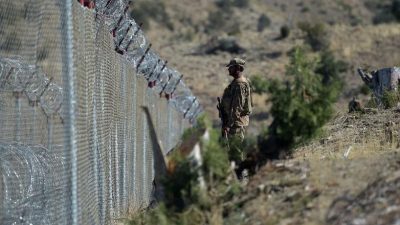
Pakistani Strikes Kill Dozens in Afghanistan
Pakistani strikes kill dozens in Afghanistan – Pakistan’s military launched airstrikes and deployed ground forces into border regions of Afghanistan on Sunday, resulting in significant casualties. The Taliban-led Afghan government reported that at least 36 civilians, including women and children, were killed, with over 160 others injured. It described the attacks as a “cowardly act” and a “crime and atrocity,” accusing Pakistan of targeting residential areas to instill fear.
Targeted Strikes and Military Response
According to Pakistan’s information minister, Attaullah Tarar, the strikes were aimed at militant hideouts, killing 29 insurgents. He framed the operation as a justified retaliation for recent attacks on civilians, which Pakistan claims Afghanistan has allowed to occur. The Taliban, however, maintains that the strikes hit civilian homes, with the majority of casualties concentrated in Mandokhail, a village in Paktika province.
“The strikes were a response to recent terrorist attacks against innocent people,” said Attaullah Tarar. “They targeted militant strongholds to disrupt their operations.”
A Longstanding Dispute
The conflict between the two nations has persisted for years, rooted in mutual accusations of harboring terrorists. Pakistan has repeatedly blamed Afghanistan for sheltering groups like the Tehrik-e-Taliban Pakistan (TTP), which it says orchestrates cross-border attacks. The Taliban, in turn, denies these claims, arguing that Pakistan has conducted unprovoked strikes that have killed civilians.
“This is a cowardly act by Pakistan against the people of Afghanistan,” stated a Taliban official. “They are targeting innocent families to escalate tensions.”
Previous Escalations
Intermittent clashes along the border have intensified in recent months, with both sides reporting casualties. In February, fierce fighting between the two countries left dozens dead, while in March, a Pakistani airstrike on a drug rehabilitation center in Kabul killed hundreds. Earlier this year, Pakistan carried out deadly air strikes that eliminated 26 militants, though the Taliban claimed 13 civilians, predominantly children, were also among the victims.
International Mediation and Ceasefires
Despite earlier efforts to de-escalate the conflict, a ceasefire agreement signed in October remained short-lived. Both nations had previously committed to a pause in hostilities, but the fragile truce unraveled as tensions rose. The BBC has not independently verified the casualty figures provided by either government, highlighting the need for further investigation into the incidents.
Suicide Attack in Karachi
The attacks on Sunday followed a suicide bombing in Karachi that killed three members of the Sindh Rangers, a Pakistani paramilitary unit. Pakistani officials confirmed the deaths, noting that a fourth suspect, an Afghan national, was arrested. The militant group Jamaat-ul-Ahrar, a splinter faction of the TTP, claimed responsibility for the earlier attack. Both groups are designated as terrorist organizations by Pakistan and the United Nations due to their involvement in past violent incidents.
Regional Impact and Ongoing Threats
The border regions of Paktia, Paktika, and Kunar have become hotspots for cross-border violence. These provinces, located along the Line of Control, have seen frequent skirmishes and airstrikes, with the toll on civilian life rising sharply. The latest strikes mark another chapter in a cycle of retaliatory attacks that have plagued the area for years.
Broader Implications
Analysts suggest that the conflict is not just a bilateral issue but also reflects deeper geopolitical tensions. Afghanistan’s reliance on Pakistan for security and economic support has often clashed with Islamabad’s desire to assert dominance over the region. Meanwhile, the TTP and Jamaat-ul-Ahrar continue to pose a threat, with their operations destabilizing both countries.
Recent developments underscore the fragility of the situation. While Pakistan insists its actions are necessary to counter terrorism, the Taliban accuses it of provoking violence. The humanitarian impact is profound, with families in border villages facing the constant risk of displacement. As the cycle of retaliation continues, the international community watches closely, seeking ways to mediate the ongoing crisis.
The war between Pakistan and Afghanistan has become emblematic of the broader struggle between security and sovereignty. Each side claims the moral high ground, citing the other’s role in fostering instability. Yet, the human cost remains staggering, with civilians caught in the crossfire. The latest strikes, combined with previous incidents, reveal a pattern of escalation that challenges any hope of lasting peace.
Conclusion
As the conflict rages on, both nations face mounting pressure to reconcile their differences. The strikes on Sunday not only deepened the rift but also intensified calls for international intervention. With no immediate sign of resolution, the cycle of violence continues, leaving communities on both sides of the border to endure the consequences of a decades-old feud.
