Indian journalists condemn ‘denial’ of voting and passport rights of prominent editor
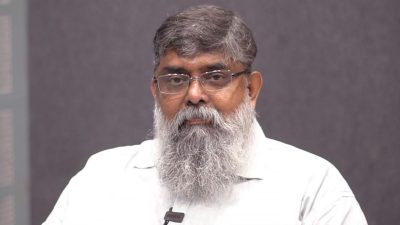
Indian Journalists Voice Concern Over Voting and Passport Rights of Renowned Editor
Constantvpn.com – Rajagopal, a former editor of the Kolkata-based newspaper *The Telegraph*, has become a focal point of controversy after his voting and passport privileges were reportedly revoked. This incident has sparked outrage among Indian journalists, who argue that the removal of his name from the electoral roll during a recent voter list review highlights a systemic issue affecting millions of citizens. The Editors Guild of India, a prominent association of media professionals, has publicly criticized the process, claiming it disproportionately targets individuals with no clear justification.
The SIR Process and Its Impact
The Special Intensive Revision (SIR) is a nationwide initiative led by the Election Commission of India (ECI) to verify voter eligibility by cross-checking current records against the 2002 electoral rolls. While the ECI insists the exercise aims to eliminate ineligible voters, critics allege it has led to the wrongful exclusion of millions. Since its launch on 4 November 2025, the SIR has removed approximately 60 million names from the rolls, with nearly nine million of those affected in West Bengal alone. The scale of the operation has raised concerns about its fairness and the potential for administrative errors.
Rajagopal’s case exemplifies the challenges faced by individuals during this process. His name was reportedly stripped from the electoral register in West Bengal, a move that disrupted his ability to renew his passport. According to his account, this happened despite his long-standing status as a voter and his professional tenure at *The Telegraph*. The incident has drawn attention to the broader implications of the SIR, with many questioning whether it serves as a tool to suppress political dissent or disenfranchise vulnerable populations.
Rajagopal’s Legal Battle
In an article published on The Wire, Rajagopal detailed how his removal from the electoral roll occurred despite decades of civic participation. He explained that neither his nor his father’s name appeared in the 2002 records, which were used as the basis for the verification. “Even after I submitted my matriculation certificate, no reason was provided for my exclusion,” he wrote. His legal appeal is now pending before a tribunal established under Supreme Court guidelines. The ECI has yet to issue a public response to these allegations, leaving the situation open to interpretation.
“Scary part is this could happen to anyone!”
Veteran journalist Rajdeep Sardesai, who voiced solidarity with Rajagopal on X, emphasized the potential for the SIR to undermine democratic participation. “If someone who spent their professional life in journalism and edited a well-known newspaper can face such hurdles, what about those with fewer resources?” he questioned. This sentiment resonates with opposition leaders, who have also rallied behind Rajagopal. Congress spokesperson Supriya Shrinate accused the process of being a tool to penalize individuals who advocate for transparency and accountability.
The Communist Party of India (Marxist)’s General Secretary, MA Baby, warned that the SIR could marginalize the poor and vulnerable. “Even a respected editor and acclaimed journalist like R Rajagopal has been denied the right to vote,” he noted, adding that the move reflects a broader trend of disenfranchisement. His remarks underscore the political tensions surrounding the revision, as critics argue it may be used to target specific groups, particularly those who have been vocal about electoral reforms.
Discrepancies in the Process
Rajagopal’s experience has sparked debates about the accuracy of the SIR. He claimed that the voter identity card was not listed as a mandatory document for passport renewal in any public records, yet his passport application was stalled once his name was removed. “I was puzzled because there was no clear evidence linking my voter status to my passport renewal,” he stated. This discrepancy has fueled accusations that the ECI’s criteria are ambiguous, potentially leading to arbitrary decisions.
The process, which compares current voter data to historical records, has been criticized for its reliance on outdated information. Rajagopal, who has lived in Kolkata’s Ballygunge constituency for over 25 years, was a registered voter since 2010. His removal from the list, despite this, has raised questions about the thoroughness of the verification. Thousands of others have filed similar appeals, arguing that the SIR has created confusion and hardship for citizens who were not aware of the changes.
Broader Implications and Public Reaction
The controversy has ignited discussions on social media, with journalists and activists condemning the ECI’s handling of the issue. Many have highlighted the disproportionate impact on marginalized communities, noting that the SIR’s strict rules may disproportionately affect those without access to bureaucratic support. “This is not just about one person; it’s about the rights of millions who are being stripped of their voices,” one user remarked.
Rajagopal’s case has also drawn comparisons to the broader political climate in West Bengal. The state has experienced significant turmoil, with the voter list revision seen as a potential tool to reshape electoral dynamics. His removal, while symbolic, has been interpreted as a warning to those who challenge the status quo. “If an influential figure like Rajagopal can lose his voting rights, how many others are silently suffering?” asked a prominent opposition leader.
The ECI’s response remains pending as the BBC continues to seek clarification from officials. Rajagopal’s appeal, which is currently under review by a tribunal, could set a precedent for how such cases are addressed. His legal battle has not only shed light on the SIR’s implications but also reinforced calls for greater transparency and accountability in the process. As the second phase of the revision expands to 16 states and three federally administered territories, the stakes for voters across the country grow higher.
Legacy of Journalism and Democratic Rights
Rajagopal’s career as a journalist spans decades, during which he has contributed to the media landscape with critical reporting and editorial leadership. His removal from the electoral roll has been seen as a symbolic strike against the democratic rights of professionals who have long advocated for civic engagement. “No one should lose their right to vote simply because their name was not in an old document,” he stated, underscoring the importance of the SIR as a test of administrative efficiency and fairness.
As the SIR continues, its effectiveness in identifying ineligible voters remains under scrutiny. While the ECI defends its actions, the backlash from the media and civil society suggests that the process may need adjustments to ensure it does not inadvertently exclude eligible citizens. Rajagopal’s case serves as a reminder of the delicate balance between administrative rigor and the protection of fundamental rights, a tension that will likely shape the future of voter registration in India.
The ongoing debate highlights the role of journalism in holding institutions accountable. Rajagopal’s experience, though personal, reflects a larger concern about how voter rights are being managed in an increasingly complex political environment. As the country grapples with these issues, the voices of journalists like Rajagopal remain crucial in amplifying the needs of those affected by the SIR process.
