Hundreds of Heathrow and Gatwick flights delayed due to thunderstorms
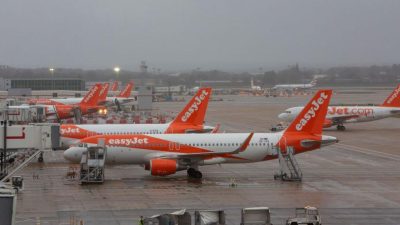
Hundreds of Heathrow and Gatwick Flights Delayed Due to Thunderstorms
Hundreds of Heathrow and Gatwick flights – London’s Heathrow and Gatwick airports are grappling with significant flight delays as a dramatic shift in weather patterns disrupts travel schedules. The recent heatwave, which brought record temperatures, has given way to thunderstorms, causing chaos across the two major hubs. According to data from FlightAware, nearly 800 flights have been delayed or canceled so far on Saturday, with dozens facing cancellations due to storm-related disruptions. The UK’s air traffic control service, NATS, warned that delays are likely to persist for the remainder of the day, impacting passengers and airlines alike.
Weather Patterns Upend Air Travel
The weather crisis began as the UK endured its hottest June high of 37.3°C in Suffolk, followed by a sudden transition to thunderstorms overnight. These storms have created turbulent conditions in airspace, forcing adjustments to flight routes and schedules. Eurocontrol, the European aviation authority, highlighted that the most severe delays are concentrated in the southeastern England to northwestern Europe corridor, where storm clouds have been intensifying. While flights outside this region remain unaffected, the disruption is causing widespread delays at Heathrow and Gatwick.
At Heathrow, 377 flights arriving or departing have been delayed, with some facing waits of up to 11 hours. One notable example involves a British Airways flight from Santiago, Chile, which was initially scheduled to land at 10:00 BST but is now delayed until 21:00 that evening. Similarly, Gatwick reported 399 flights impacted, including dozens of cancellations. The situation has left many travelers stranded, with some expressing frustration over the lack of clear communication and compensation for extended waits.
Passenger Frustrations Surface
The upheaval has sparked complaints from passengers, with social media becoming a platform for their grievances. A mother shared her experience on X, detailing how her daughter was trapped on an Easyjet flight at Gatwick for four hours before it was canceled. “She’s on an Easyjet holiday. What should she do?” she wrote, highlighting the emotional toll of the delays. Another traveler, Adam Joseph, 29, recounted being stranded at Venice airport in Italy without air conditioning due to a four-hour delay. “We could’ve stayed at the hotel for another three to four hours,” he said, adding that even with a prolonged delay, passengers might not qualify for compensation.
“I’ve had to give up my chair to a family with a pregnant mother. People are very angry… we have had no communication from [BA] whatsoever.”
Joseph’s account underscores the ripple effect of the weather disruptions. Flights from Italy to the UK are being delayed as planes reroute to avoid turbulent areas, leaving passengers waiting in airports for extended periods. While Easyjet has offered compensation options such as refunds and hotel stays, some travelers remain dissatisfied. The airline stated it had to “pre-emptively cancel some flights to and from Gatwick in advance” due to the storms limiting arrivals and departures.
Airlines and Air Traffic Control Adjustments
Gatwick confirmed that temporary air traffic control restrictions were implemented to manage the chaos caused by ongoing thunderstorms. “We are working closely with NATS to mitigate the impact of the weather on our operations,” a spokesperson said. Meanwhile, Heathrow urged passengers to check with airlines for the latest updates before heading to the airport. British Airways acknowledged the situation, stating that “adverse weather conditions affecting parts of UK airspace” necessitated schedule adjustments. However, the airline has yet to provide detailed explanations or compensation policies for affected travelers.
NATS emphasized the unpredictability of the weather, noting that forecasted severe conditions in the southeast of England would continue to strain air traffic control systems. “Weather disruption was expected to continue through the rest of the day,” they said, as the storms worsened throughout Saturday afternoon. The agency also pointed to the broader instability of the atmospheric conditions, which were fueled by the record-breaking heatwave that preceded the thunderstorms.
Heatwave to Thunderstorm Transition
The shift from extreme heat to severe storms has left many travelers unprepared for the sudden changes in weather. An amber warning for extreme heat remains in place until Sunday morning, covering parts of eastern and southeastern England. However, the primary disruption at Heathrow and Gatwick is due to the thunderstorms, which have developed to the south of the UK and are expected to intensify. Eurocontrol noted that a “broad area of hot, unstable air” stretching from northern Spain to southern Sweden could lead to further storm development overnight, though the exact timing and location of these events remain uncertain.
The combination of heat and storms has created a perfect storm for air travel, with passengers facing double the challenges of both extreme temperatures and sudden weather changes. At Heathrow, the live arrival board shows multiple flights delayed by several hours, while Gatwick’s operations have been similarly affected. Despite the chaos, other UK airports like Manchester and Birmingham report minimal disruptions, suggesting that the problem is localized to the southeast.
Looking Ahead: A Cooling Weekend?
As the weekend approaches, there is hope that the weather will stabilize, offering a temporary reprieve for travelers. The heatwave, which has dominated headlines this week, is expected to subside, though concerns linger about whether this trend will continue. The recent weather extremes have raised questions about the UK’s preparedness for future heatwaves and their impact on infrastructure. “Are we in for a summer of serial heatwaves?” one observer asked, reflecting on the potential for prolonged disruptions to travel and daily life.
For now, the focus remains on managing the current crisis. Eurocontrol’s mapping of airspace delays, as of 12:50 BST, reveals a mix of minor and major disruptions, with delays under 15 minutes marked in blue and those exceeding 45 minutes in red. While the situation is far from resolved, airlines and air traffic control are working to minimize further delays. Passengers, however, continue to demand transparency and support, as the effects of the weather extend beyond mere inconvenience to significant personal and logistical challenges.
As the storms roll through, the UK’s aviation sector faces the daunting task of adapting to shifting weather patterns. With 800 flights already affected and more expected, the weekend’s cooldown may provide a chance for recovery—but for travelers, the aftermath of the storm may be just beginning.
