Key figure in South Africa police corruption scandal pleads guilty
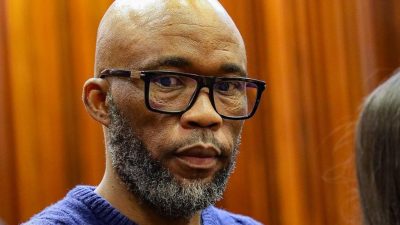
South African Police Corruption Case: Central Figure Admits Guilt
Key figure in South Africa police – Vusimusi “Cat” Matlala, a pivotal individual in South Africa’s ongoing investigation into police graft, has formally confessed to corruption, fraud, and money-laundering offenses. The admission came as part of a negotiated agreement with state prosecutors, who highlighted that Matlala’s testimony could play a critical role in securing charges against senior officials. This development marks a significant step in the broader probe into systemic corruption within the country’s law enforcement agency.
Details of the Plea Deal
Matlala, 49, was implicated in a scheme involving a 360 million rand tender for his healthcare company, Medicare24, in 2024. The deal reportedly involved bribing top police officials to secure the contract, which has sparked renewed scrutiny of the connections between the police force and private interests. State advocate Santhos Manilall, who led the prosecution, stated that the plea agreement would allow Matlala to provide detailed accounts of the corruption network, which could lead to the prosecution of higher-ranking individuals.
“With this plea, we now have an accused who has given us the specifics we were previously unaware of,” Manilall emphasized during a court session in Pretoria. The lawyer also noted that the agreement would result in Matlala receiving a reduced sentence of eight years if approved by the magistrate.
The negotiations for the deal reportedly spanned nearly two months, reflecting the complexity of the case. Matlala’s guilty plea, while not yet finalized, signals a shift in the legal strategy against the corruption inquiry. This case is part of a larger effort to uncover how criminal activities have infiltrated South Africa’s police department, particularly through the Madlanga Commission, which was established to investigate allegations of systemic graft.
Political Backlash Over the Agreement
Amid the plea deal, the Democratic Alliance (DA), a junior coalition partner in the ruling government, launched a sharp critique of the arrangement. The party accused the prosecution of creating a “sweetheart deal” that undermines public trust in the justice system. Glynnis Breytenbach, the DA’s justice spokesperson, argued that the agreement exemplifies a two-tier legal system, where prominent corruption suspects are allowed to negotiate lighter sentences without full accountability.
“This is a betrayal of accountability. One of the country’s most well-known corruption figures is now able to shape his own fate, while others face harsher consequences,” Breytenbach stated. The DA’s criticism highlights concerns that the plea deal may not lead to a successful prosecution, as Matlala’s testimony could be selective or influenced by his own interests.
The Madlanga Commission, which began its work in September 2023, has been central to uncovering the extent of police involvement in organized crime. Witnesses have alleged that criminal underworld figures have established deep ties with senior police officials, enabling them to manipulate procurement processes and conceal illicit activities. Matlala, who has not yet appeared at the commission, has been named in a witness statement as a member of a drug-trafficking group that allegedly has connections within the police force.
Additional Charges and Unanswered Questions
Matlala’s legal troubles extend beyond the corruption case. He is also charged with murder, a separate allegation he has consistently denied. This dual prosecution raises questions about the interconnectedness of political and criminal networks in South Africa. The murder charge, which has not yet been fully detailed, adds another layer of complexity to his role in the ongoing investigations.
State prosecutors have argued that the plea deal is a strategic move to ensure the cooperation of key witnesses. Matlala is required to provide honest and frank testimony at upcoming trials, which could reveal critical information about the network’s operations. However, the DA and other opposition groups remain skeptical, insisting that the deal prioritizes leniency over justice.
Context of the Corruption Inquiry
The Madlanga Commission, named after its chairperson, has become a focal point for exposing how corruption has permeated South Africa’s police department. Since its launch, the inquiry has revealed widespread collusion between criminal syndicates and high-ranking officials, with some allegations pointing to organized crime groups influencing the tender process for large government contracts. The recent admission by Matlala is seen as a turning point, as it may provide concrete evidence against those who orchestrated the scheme.
The commission’s findings are particularly relevant in light of recent claims by Lt-Gen Nhlanhla Mkhwanazi, a senior police officer, who accused organized crime groups of infiltrating government operations. His July 2023 allegations sparked the formation of the commission and intensified public pressure to address systemic corruption. Matlala’s case, however, has drawn attention to the challenges of proving guilt in such complex networks, especially when key figures are willing to cooperate in exchange for reduced sentences.
Future Implications for the Justice System
The outcome of Matlala’s plea deal will have far-reaching consequences for the South African justice system. If accepted, it could set a precedent for how corruption cases are handled, potentially influencing the treatment of other high-profile suspects. The magistrate in Pretoria is expected to make a ruling on the agreement next week, which will determine Matlala’s fate and the broader impact on the inquiry.
While the deal provides prosecutors with valuable information, it also raises concerns about the fairness of the legal process. Critics argue that Matlala’s guilty plea, though a step toward justice, may not be enough to dismantle the entire network. His admission could be seen as a strategic move to protect himself from more severe penalties, while leaving other participants in the case unscathed.
The case has sparked a national conversation about accountability and the role of the judiciary in high-stakes corruption trials. With Matlala’s testimony potentially revealing new insights, the Madlanga Commission’s work continues to be a critical tool in exposing the links between police officials and criminal organizations. As the inquiry progresses, the public will be watching closely to see whether the plea deal leads to meaningful reforms or further compromises in the fight against graft.
For now, Matlala remains a central figure in the scandal, with his actions shedding light on the deep-rooted corruption that has plagued South Africa’s police force for years. His guilty plea, while a legal victory for prosecutors, also highlights the ongoing challenges of ensuring transparency and justice in cases involving powerful individuals. The Madlanga Commission’s investigation is expected to continue uncovering more details, which could reshape the narrative of the country’s police corruption crisis.
Broader Impact on Public Trust
South Africa’s citizens have grown increasingly wary of the police department’s integrity, with Matlala’s case symbolizing the broader corruption epidemic. The plea deal has been criticized for potentially allowing the guilty to escape full punishment while the innocent remain without closure. This perception of inequality in justice has fueled public dissatisfaction and demands for stronger anti-corruption measures.
As the Madlanga Commission continues its work, it is hoped that Matlala’s testimony will not only provide justice for those affected by the corruption scheme but also serve as a catalyst for systemic change. The ongoing inquiry into the police force’s ties with criminal groups underscores the need for transparency and accountability, even as the legal system grapples with the implications of negotiated pleas in high-profile cases.
With the magistrate’s ruling pending, the next phase of the case will be closely watched. The decision may either strengthen the prosecution’s case or signal a shift toward more lenient sentencing for those involved in corruption. Meanwhile, the broader implications for South Africa’s legal and political landscape remain a topic of intense debate.
