Eight dead after US Air Force B-52 bomber crashes in California
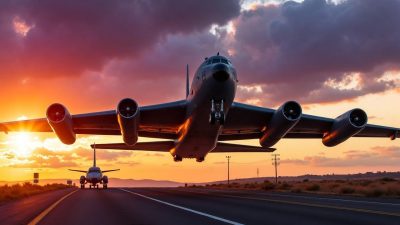
Eight Dead After US Air Force B-52 Bomber Crashes in California
Constantvpn.com – On Monday, a US Air Force B-52 bomber crashed shortly after take-off from Edwards Air Force Base in southern California, claiming the lives of eight individuals. The incident, which occurred at 11:20 local time (19:20 GMT), involved a routine test mission and left a massive plume of black smoke visible for miles. Col James Hayes, a base spokesperson, described the event as “a terrible tragedy” and confirmed that eight “great Americans” were lost, including a mix of military personnel, government civilians, and contractors.
The base initially reported that the crash was “not survivable,” prompting the suspension of all non-commercial visitor passes and the diversion of inbound aircraft to ensure emergency operations could proceed without interruption. Hayes also noted that the crash was “totally contained” on the runway, though the facility has since grounded its activities temporarily. The B-52, which was supporting the base’s radar modernization efforts, burst into flames upon impact. Investigations into the cause are ongoing and may take up to 30 days, with a more comprehensive analysis potentially requiring over six months.
Boeing, the manufacturer of the aircraft, confirmed that two of its employees were among those on board. The company stated it was in contact with the families of the deceased but declined to provide further details when approached by the BBC. The B-52 Stratofortress, nicknamed “the Buff”—a term partly derived from “Big Ugly Fat”—has been a staple of US military operations since the 1950s. Its role in global conflicts and strategic missions has solidified its reputation as a durable and versatile platform.
Aircraft Specifications and Capabilities
The B-52, a long-range strategic bomber, is renowned for its ability to fly at altitudes up to 50,000 feet, surpassing the typical cruising height of commercial airliners, which usually operate around 35,000 feet. With a payload capacity of 70,000 pounds (32,000 kilograms), the aircraft can carry hundreds of conventional bombs or 32 nuclear cruise missiles. This versatility allows it to serve in both tactical and strategic roles, from precision strikes to nuclear deterrence. The B-52’s mid-flight refueling capability extends its operational range, enabling it to reach distant targets without landing.
During the Cold War, the B-52 played a pivotal role in maintaining the United States’ nuclear umbrella, embodying the principle of mutually assured destruction. Its enduring design and reliability have made it a cornerstone of military aviation, despite its age. Even today, the plane continues to support modern operations, such as bombing raids during the US and Israel’s conflict with Iran. The incident at Edwards Air Force Base underscores the risks inherent in these high-stakes missions, though the exact cause of the crash remains under investigation.
Reactions from Officials and the Community
“Absolutely heartbreaking. God bless the 8 crew members on board,” wrote US Representative Vince Fong, whose district includes part of the base, on X.
“We are with them,” said Michigan Congresswoman Lisa McClain in a post on X, adding, “Our service members carry the weight of this nation’s defense every single day. My prayers are with everyone involved in today’s B-52 crash at Edwards Air Force Base.”
California Governor Gavin Newsom called the crash “a tragic incident” and extended his condolences to the families of the victims and the base community. He emphasized the importance of resilience and solidarity in the face of such losses. Similarly, Congressman Jay Obernolte, whose district overlaps with the base, shared his thoughts on Facebook: “I and my wife are praying for everyone involved in today’s B-52 crash at Edwards Air Force Base, especially the crew, their families, and the first responders on scene.”
Edwards Air Force Base, located approximately 100 miles (160 kilometers) north of Los Angeles in the Mojave Desert, is one of the US military’s most important testing grounds. The crash occurred during a standard test flight, highlighting the critical nature of these missions. The base’s decision to temporarily halt operations reflects the gravity of the situation and the need for thorough safety checks. Crew members’ next of kin are being notified, with names to be released 24 hours after the initial announcement.
Historical Significance and Operational Impact
The B-52 Stratofortress has been in service since the 1950s, a testament to its robust engineering and adaptability. Over the decades, it has evolved to meet changing military needs, from its original role in nuclear deterrence to its current use in conventional warfare. Its longevity has made it a symbol of US airpower, though the recent crash serves as a stark reminder of the dangers faced by those who operate it.
The incident has raised questions about the safety of the aircraft and its maintenance protocols. While no cause has been determined yet, investigators will examine factors such as mechanical failure, pilot error, or environmental conditions. The B-52’s ability to sustain extended missions and its mid-air refueling system have made it a reliable asset, but the crash has prompted a closer look at its performance during take-off, a phase known for high stress and critical importance.
As the investigations continue, the base remains focused on supporting the families of the deceased and ensuring the safety of its personnel. The crash has not only disrupted daily operations but also drawn attention to the broader implications of such events on military readiness and public perception. For now, the Mojave Desert holds the memory of the crash, with aerial footage capturing the charred remains of the aircraft and the lingering smoke that symbolizes the tragedy.
Edwards Air Force Base, a key player in aerospace research and testing, has a history of handling high-profile incidents. The crash occurred on a clear day, with conditions ideal for flight, yet the outcome was devastating. The aircraft’s crew, typically consisting of five members—aircraft commander, pilot, radar navigator, navigator, and electronic warfare officer—was fully equipped for the mission. The loss of all eight individuals has left the base in mourning, with officials and community members expressing their grief and support through social media and public statements.
The event has also sparked discussions about the future of the B-52 fleet, which continues to serve despite its age. While newer aircraft are being developed, the B-52’s reliability and cost-effectiveness have kept it in service. The crash at Edwards Air Force Base may influence decisions about its continued use, but for now, the focus remains on understanding the cause and honoring the victims. As the base prepares for the next phase of operations, the memory of the eight lives lost serves as a poignant reminder of the risks and sacrifices inherent in military aviation.
