Chinese e-commerce giant Alibaba sues US government over defence blacklist
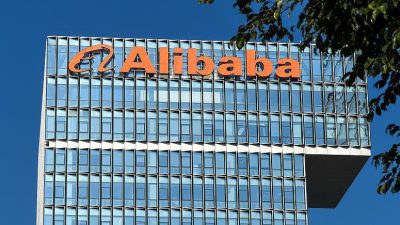
Alibaba Files Lawsuit Against US Pentagon Over Defense Blacklist
Chinese e commerce giant Alibaba sues – Alibaba Group, the world’s largest e-commerce and technology company, has initiated a significant legal action against the US government, challenging its inclusion on the Pentagon’s so-called “1260H list.” This move comes as the firm seeks to remove itself from a regulatory designation that labels it as connected to the Chinese military, effectively barring it from doing business with the US defense sector. The lawsuit, filed in a California federal court, argues that the Pentagon’s decision is based on flawed reasoning and lacks legal or factual foundation.
Pentagon’s Allegations and Regulatory Ties
The US Department of Defense (DoD) has maintained that Alibaba operates as an extension of China’s military apparatus due to its compliance with Beijing’s technology regulations. According to the defense agency, this adherence to Chinese laws and policies makes the company a “military-civil fusion contributor” to the nation’s defense industrial base. The designation, however, has sparked controversy, as Alibaba contends that it is being unfairly categorized without sufficient evidence.
“Alibaba is not a Chinese military company nor part of any military-civil fusion strategy,” the firm stated in a BBC interview. “The decision to place Alibaba on the 1260H list is arbitrary and capricious, and we are filing a lawsuit against the Department of War to demand removal from the list.”
Alibaba highlighted that its independent board of directors contains no members with military affiliations, emphasizing that the company’s operations are centered on retail and cloud computing. The firm argues that its platforms are designed for commercial use, not for supporting military or intelligence activities. This claim directly counters the Pentagon’s assertion that its regulatory compliance equates to alignment with China’s defense goals.
Expanded Blacklist and Operational Penalties
The legal battle follows the Pentagon’s recent expansion of its defense blacklist, which will take effect on June 30. The list now includes major Chinese tech firms such as Baidu, BYD, and Nio, alongside Alibaba. The DoD’s rationale for the designation is that these companies contribute to China’s military-civil fusion strategy, which integrates civilian and military technologies to strengthen the defense sector.
While the blacklist does not immediately freeze Alibaba’s financial assets, it imposes stringent operational restrictions. Starting the week of June 30, the Pentagon will be legally prohibited from engaging in business with any listed firm. This rule also extends to US contractors who share legal counsel or lobbying groups with blacklisted entities, creating a broader impact on the company’s partnerships and operations.
Alibaba has argued that these restrictions amount to a functional blockade. By forcing American advisers and partners to sever ties with the firm, the company claims it risks losing lucrative defense contracts. The lawsuit highlights how the designation strips Alibaba of its ability to advocate for itself in Washington, leaving it vulnerable to further scrutiny and penalties.
Legal Process and Previous Attempts
Alibaba’s lawsuit asserts that the DoD failed to provide a fair opportunity for the firm to address its concerns. The company noted that it had previously requested a meeting with the agency to clarify its military ties and demonstrate its economic contributions to the US. However, according to the complaint, the DoD did not raise any specific issues with Alibaba’s submissions nor ask for additional information. Instead, it “designated Alibaba without notice or a fair hearing,” the firm claims.
Alibaba’s legal team has emphasized that the DoD’s actions are inconsistent with the standards of due process. The lawsuit seeks to overturn the decision, arguing that the agency’s designation of the company as a “military-civil fusion contributor” is an overreach of authority. The firm also highlighted that the 1260H list is not a new policy but a continuation of existing measures, which have been applied to other Chinese companies.
Global Implications and Strategic Concerns
Alibaba’s legal challenge underscores the growing tensions between the US and China in the tech sector. The company’s inclusion on the blacklist has raised concerns about the broader impact on global trade and innovation. Critics argue that the Pentagon’s actions could stifle collaboration between American and Chinese firms, limiting access to critical technologies and markets.
Despite the legal and political stakes, Alibaba maintains that its relationship with the Chinese government is purely economic. The firm’s leadership has stressed that it operates as a private enterprise, separate from military objectives. However, the DoD’s designation suggests a view that China’s tech sector is inherently aligned with its defense ambitions, regardless of individual company practices.
The case has drawn attention to the potential consequences of the 1260H list for multinational corporations. By restricting business with firms deemed supportive of China’s military efforts, the US aims to reduce its strategic dependence on Chinese technology. Alibaba’s lawsuit, however, challenges this approach, arguing that it unfairly targets companies that have no direct involvement in defense projects.
Reactions and Next Steps
As the lawsuit progresses, the DoD has remained silent on the matter, stating it does not comment on ongoing litigation. This lack of response has left Alibaba to defend its position through legal arguments and public statements. The company’s legal team will now focus on proving that the Pentagon’s designation is unjust and that its operations are not aligned with military goals.
Analysts suggest that the case could set a precedent for how the US government handles foreign technology companies. If successful, Alibaba’s victory might ease restrictions on other firms and open the door for renewed cooperation. However, if the DoD’s position holds, it could reinforce the current approach to isolating Chinese tech entities from US defense contracts.
Meanwhile, the broader implications of the blacklist extend beyond Alibaba. The policy reflects a strategic effort to curb China’s influence in key industries, particularly those critical to national security. As the legal battle unfolds, the outcome may shape future interactions between the US and Chinese firms in the global marketplace, influencing trade agreements and technological partnerships for years to come.
