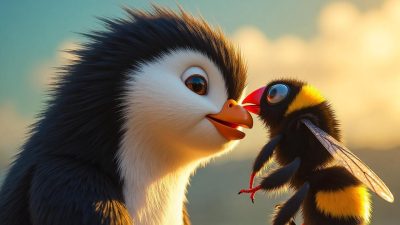
Puffin and bumblebee among 18 creatures shortlisted to feature on banknotes
18 Wildlife Species Compete for Honor on New UK Banknotes
Constantvpn.com – The Bank of England has unveiled a list of 18 creatures, birds, and insects that could grace the next series of banknotes. This selection, curated by a panel of wildlife experts, invites the general public to cast their votes and decide which species should be featured on the £5, £10, £20, and £50 notes. While the final choice will rest with the central bank’s governor, the public’s input will play a crucial role in shaping the design.
Mammals in the Shortlist
Among the contenders are six mammals, each representing a unique aspect of British biodiversity. These include the bottlenose dolphin, known for its intelligence and coastal presence; the brown hare, a symbol of rural landscapes; the European hedgehog, a nocturnal creature often associated with charm; the grey seal, a marine species integral to the ecosystem; the pine marten, a rare and elusive forest dweller; and the red fox, a familiar yet misunderstood predator. The selection highlights the diversity of wildlife, excluding household pets like dogs and cats.
Birds and Insects Selected
The second category features birds and insects, with the Atlantic puffin and buff-tailed bumblebee standing out as top contenders. The puffin, a seabird with striking plumage, and the bumblebee, a pollinator vital to ecosystems, are among the six species shortlisted. Other entries include the common kingfisher, famed for its iridescent feathers, and the white-tailed eagle, a majestic raptor. The inclusion of these creatures underscores the Bank’s commitment to showcasing the natural world’s beauty and ecological importance.
Public opinion is central to this process, with voters allowed to choose up to six favorites from the shortlist. However, the Bank has ensured that no alternative animals can be nominated, aiming to prevent jokes like “Stoaty McStoatface” from overshadowing the selection. Victoria Cleland, the Bank’s chief cashier whose signature appears on current notes, emphasized the importance of public engagement. “The shortlisted animals reflect the vast array of wildlife that deserves celebration in the UK,” she stated, highlighting the cultural and environmental significance of the choice.
Political Reactions to the Shift
The decision to replace historical figures, including Sir Winston Churchill, with wildlife has sparked debate among political leaders. Earlier this year, the removal of Churchill from the £5 note drew sharp criticism, with some arguing it was done at an inopportune time. Reform leader Nigel Farage joked, “They propose we replace people like him with a picture of a beaver,” though the beaver was not among the final selections. Liberal Democrat leader Sir Ed Davey echoed concerns, noting the timing of the change amid a war in Europe. Tory leader Kemi Badenoch called it “a silly thing to do,” reflecting the divide between tradition and modernity in the selection process.
While the public vote is open until the end of July, the Bank of England governor, Andrew Bailey, retains the authority to make the final decision. This means the outcome may not solely depend on the most popular choices but could also consider ecological or symbolic value. The design process, which includes testing and printing, typically spans several years before notes reach circulation. The next series will maintain the monarch’s portrait on the front, alongside imagery representing the home nations, but the reverse side will no longer feature historical figures—a departure from the 1970 series.
Debates Over Animal Selection
Several animals have been championed by advocacy groups for their potential inclusion. The RSPCA, for instance, highlighted rats, pigeons, foxes, and gulls as intelligent and underappreciated species. However, only the red fox appears on the shortlist, illustrating the challenges of balancing public sentiment with expert judgment. Emma Soames, Churchill’s granddaughter, expressed her view on the matter. “I never thought the image of my grandfather on the fiver was going to last forever,” she said. When asked about replacing him with a badger, she quipped, “Well, lucky badger or lucky grandpapa,” suggesting the substitute should embody bravery and courage.
The shortlist also includes amphibians, insects, and fish, with the common frog and Atlantic salmon being notable entries. The Emperor dragonfly and marsh fritillary butterfly further diversify the options, emphasizing the Bank’s effort to represent a wide range of ecosystems. These choices aim to honor both the UK’s natural heritage and its role in global biodiversity. The current banknotes, which feature Sir Winston Churchill, Jane Austen, JMW Turner, and Alan Turing, will eventually be phased out as the new series is introduced.
Wildlife has already made appearances on UK banknotes, with the Royal Bank of Scotland featuring mackerel, otters, red squirrels, and osprey. This precedent demonstrates the growing recognition of nature’s value in national currency. The Bank of England’s initiative, however, marks a broader shift, aligning the notes more closely with contemporary environmental themes. By focusing on animals and insects, the Bank seeks to reflect the nation’s ecological richness and educate the public about its wildlife.
Expert Panel and Design Considerations
The shortlist was compiled by a panel of wildlife experts, including renowned presenters like Gordon Buchanan, Miranda Krestovnikoff, and Nadeem Perera, as well as Ulster Wildlife’s Katy Bell and academics Steve Ormerod and Dawn Scott. Their work ensures that the selected species are not only iconic but also scientifically significant. Despite this, the Bank acknowledges that the final decision may prioritize practicality, such as reducing the risk of counterfeiting, over pure public preference.
Victoria Cleland noted that the shortlisted animals showcase “the rich variety of wildlife we have to celebrate in the UK,” underscoring the Bank’s dual goal of cultural representation and ecological awareness. The public’s vote will determine which creatures gain a place, but the governor’s discretion ensures that the selection process remains flexible. This approach allows for a balance between popular demand and the Bank’s long-term vision, ensuring the notes are both meaningful and durable.
As the deadline for public submissions approaches, the focus shifts to the significance of each candidate. The Atlantic puffin, with its distinctive black-and-white coloring, and the buff-tailed bumblebee, a pollinator critical to food chains, stand as prominent examples. Meanwhile, the common frog and European hedgehog offer a glimpse into the UK’s diverse habitats. The inclusion of these species not only celebrates their ecological roles but also aims to inspire a deeper connection with the natural world.
Ultimately, the new banknotes will feature one creature per denomination, with the public able to influence the selection of up to two favorites from each category. This process marks a unique opportunity for citizens to contribute to the nation’s currency design, blending art, history, and environmentalism into a cohesive narrative. As the final decision looms, the debate over which animals should be honored continues to reflect the UK’s evolving values and priorities.
Historical Context and Future Implications
The current notes, which have been in circulation for decades, are gradually being replaced. The reverse side, traditionally reserved for historical figures, will now highlight wildlife, signaling a shift in how the UK commemorates its past and present. The transition from human figures to animals is not without controversy, but it aligns with the Bank’s goal to make the currency more reflective of the country’s natural heritage. This change could influence future design trends, encouraging other nations to explore similar themes in their currency.
While the shortlist includes a mix of familiar and lesser-known species, it excludes the most commonly seen animals like rats and pigeons. The panel’s decision to prioritize ecological importance over popularity ensures that the selected creatures are more than just symbols of the UK—they are representatives of its natural legacy. As the public votes, the outcome will shape the next chapter of the Bank of England’s design history, blending tradition with a modern emphasis on conservation and biodiversity.
With the consultation period ending on 3 July, the final selections will be announced, paving the way for the next series of notes. This initiative not only celebrates the UK’s wildlife but also invites the public to engage with the nation’s cultural and ecological identity. The resulting designs will serve as a reminder of the importance of preserving natural heritage while adapting to contemporary needs and values.
