Saudi Arabia to stop funding LIV Golf next season
Saudi Arabia to stop funding LIV Golf next season
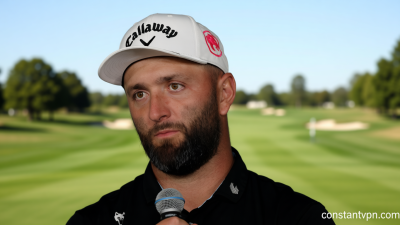
Saudi Arabia to stop funding LIV Golf – Saudi Arabia’s financial backing of the LIV Golf series will end after the current season, according to recent announcements. This decision follows the inclusion of top-tier golfers such as Masters and U.S. Open champion Jon Rahm in the breakaway tour. The move has raised questions about the future of LIV Golf, which has already faced challenges in maintaining its global presence. With the withdrawal of its substantial investment, the tour now seeks new partners to continue its operations and sustain its expansion.
On Thursday, LIV Golf declared a “strategic evolution,” signaling its intent to transition from reliance on Saudi funding to securing alternative investors. The organization has established an independent board, led by Gene Davis and Jon Zinman, to guide this transformation. According to the tour, these leaders have a “proven track record of navigating complex situations,” aiming to stabilize the league and attract long-term capital. This shift comes as reports indicate that Yasir Al-Rumayyan, the governor of the Saudi Public Investment Fund (PIF), might step down from LIV’s board. Al-Rumayyan, who co-founded the series in 2021, has been a central figure in its development.
“LIV Golf has substantially grown the game globally through its transformational and positive impact. It has forever changed the game of golf for the better,” stated PIF in its recent communication. The fund emphasized that its “substantial investment” in LIV Golf is no longer aligned with its evolving focus on sustainable ventures. While the tour’s success has been notable, PIF is pivoting its strategy to prioritize long-term, financially viable projects.
PIF’s statement highlighted its continued commitment to international sports investments, including its ownership of Premier League club Newcastle United. However, the decision to reduce funding underscores a broader realignment in the fund’s priorities. LIV Golf, which previously operated as a high-profile alternative to the PGA Tour, now faces the prospect of needing to restructure its operations significantly. The series has relied heavily on PIF’s financial support, with over $5 billion injected since its inception in 2021. This year alone, an additional $267 million was added, yet the tour remains in deficit.
The lack of U.S. tournaments between May 10 and August 6 has further complicated LIV’s financial trajectory. Originally, the June event in New Orleans was postponed, resulting in a gap where no tournaments will be held in the country. Despite this, the tour plans to host events in South Korea, Spain, and Britain during the period. These venues, however, may not be enough to offset the tour’s growing costs. The new board’s focus on repositioning the business suggests a shift toward a more stable model, though the path forward remains uncertain.
Industry sources have shared that LIV Golf is actively pursuing opportunities to attract new investors, describing the series as “totally up for sale.” This sentiment is echoed by executives, who have stated that the league is working to formalize its structure and ensure profitability. Davis, a key member of the new board, emphasized the tour’s potential for growth, stating, “LIV Golf has built something truly differentiated – a global league with passionate fans, world-class talent, and demonstrated commercial momentum. The executive leadership team, along with Jon and I, see a clear opportunity to help the league formalise its structure, attract and secure long-term capital, and position the business for growth while continuing to promote the game across the world.”
Zinman, another board member, has been highlighted for his expertise in financial and operational transformation, particularly in reorganizing companies. The board’s composition reflects a desire to bring in seasoned professionals who can navigate the challenges of sustaining the league without Saudi funding. While the PIF statement did not explicitly mention Al-Rumayyan’s departure, sources suggest his exit is imminent. His role in the series’ initial success has been pivotal, and his absence could signal a broader change in direction for LIV Golf.
Financial reports reveal that LIV Golf’s losses in international markets have reached $462 million in 2024, with cumulative losses exceeding $1.1 billion since its launch in 2021. The U.S. market, though a major focus, has also contributed to the overall deficit. Despite this, the tour remains optimistic about its future, with officials stating that ten of its teams are projected to be profitable this year. However, the lack of a clear financial roadmap has led to concerns about the series’ viability beyond the current season.
Major champions Jon Rahm, Bryson DeChambeau, Phil Mickelson, and Cameron Smith are among the high-profile players competing in LIV Golf. Their participation has drawn significant attention, yet the tour’s financial strain has prompted some to reconsider their involvement. In February, Rahm, DeChambeau, and Smith declined a one-time chance to rejoin the PGA Tour under its “Returning Member Programme,” which allows players who have won a major or The Players Championship since 2022 to apply for reinstatement. Only five-time major winner Tiger Woods (Koepka) accepted the offer, easing his return to the traditional circuit.
The recent announcement of the tour’s strategic evolution comes as LIV Golf’s CEO, Scott O’Neil, reassured players that the 2026 season would proceed “as planned and uninterrupted.” This statement was made amid rumors of the tour’s potential collapse, though O’Neil did not provide specifics about future plans. The move to restructure the business is seen as a necessary step to ensure long-term survival, even as the team model faces scrutiny.
With the PIF’s shift toward sustainable investments, the future of LIV Golf now hinges on its ability to attract new sponsors and investors. The series’ unique approach, which includes a team-based format and a focus on global fan engagement, remains a key selling point. However, the absence of consistent funding has left the league in a precarious position. Industry analysts note that while LIV has demonstrated commercial momentum, its financial model must adapt to remain competitive in the evolving golf landscape.
The decision to withdraw support from LIV Golf marks a turning point for the breakaway series. While the tour has achieved significant success in expanding the sport’s reach, its reliance on Saudi funding has created uncertainty. The new board, composed of experienced professionals, aims to transform LIV into a more resilient entity, capable of standing on its own without the need for such large-scale investment. Whether this strategy will succeed remains to be seen, as the golf world watches closely for the next developments.
