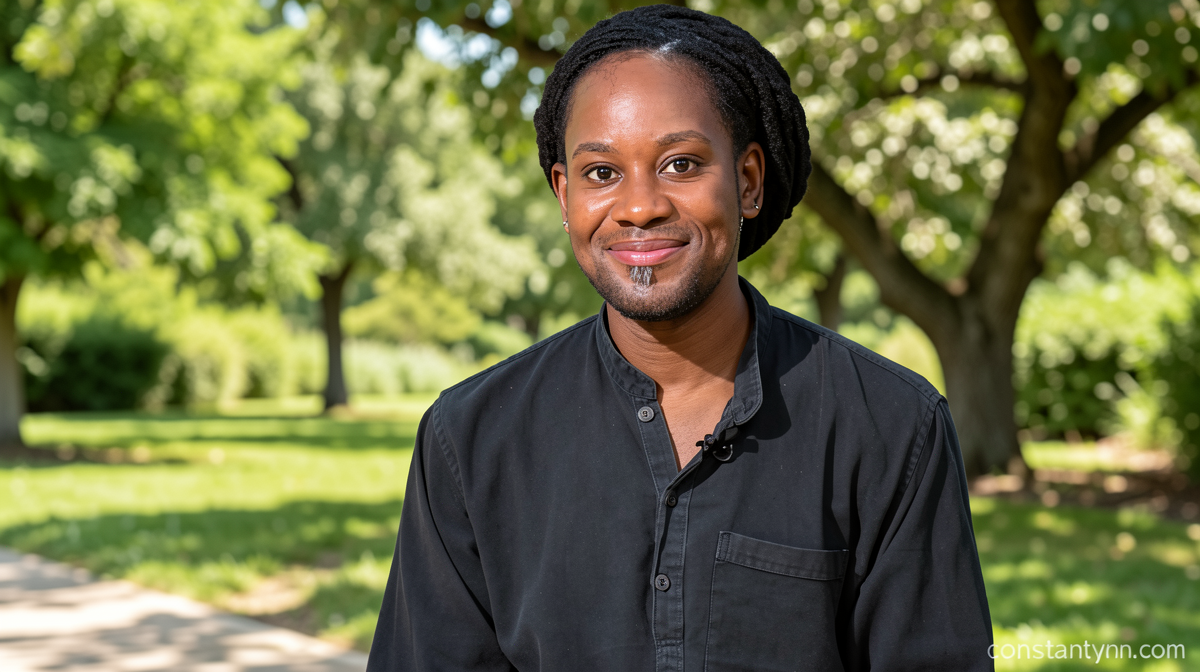
Academia Reckons With the Death of Jason Arday and the Media Storm That Preceded It
Constantvpn.com – On a Friday in south London, the body of Jason Arday, a 41-year-old sociologist of education who had held a professorship at Cambridge University, was discovered at a home in Battersea. His death came barely two weeks after he stepped down from his academic post amid a fierce plagiarism controversy, and it has ignited a wave of public grief, political anger, and demands for accountability over how the press covered his case.
The Prime Minister described the loss as a “tragedy on so many levels,” while colleagues, friends, and public figures have moved swiftly to frame Arday’s final days not merely as a personal tragedy but as a systemic failure of media conduct and institutional protection.
A Petition Demands a Public Inquiry
More than 30,000 people have signed a letter addressed to the prime minister, calling for an “immediate public inquiry into how to ensure a responsible press.” The document was issued by the Good Law Project, the organisation that had been representing Arday after his departure from Cambridge. Among its signatories are Labour MP Diane Abbott, actress Jameela Jamil, Green Party leader Zack Polanski, Labour MPs Bell Ribiero-Addy, Clive Lewis, and Nadia Whittome, former England international footballer Eni Aluko, National Education Union general secretary Daniel Kebede, and broadcaster Carol Vorderman.
The letter asserts that Arday’s death followed “two weeks of relentless harassment” and notes that many of its signatories had previously warned media outlets about the intensity and tone of their reporting. The call for inquiry is not limited to the press alone; it extends to the broader question of how institutions protect individuals who become targets of sustained public scrutiny.
“A Vicious Witch Hunt”
Lord Woolley, principal of Homerton College at Cambridge, used the phrase “vicious witch hunt” to describe the treatment Arday endured. Speaking on BBC Radio 4’s Broadcasting House programme on Sunday, Woolley recounted meeting Arday four days before his death, alongside a small circle of close friends who had gathered to offer solidarity.
“Diane said to him, she held his hand, and said we will help you get through this. But on that day, we saw a man half his body weight and desperate beyond belief.”
Woolley said Arday felt “hounded” and characterised the relentless coverage as “a bloodsport.” He noted that Diane Abbott and social activist Misan Harriman were present at that meeting, both having experienced what he described as “horrible media attention” in their own careers.
Woolley went further, pressing a question he said many in the room did not want to name openly:
“We have to ask this question, we have to talk about — which a lot of people don’t want to talk about, is racism. You have to look at negatively differential treatment.”
He pointed out that plagiarism allegations are a recurring feature of academic life, yet few of those accused have faced the scale of public attention directed at Arday. The implication, drawn explicitly by Woolley, is that race shaped both the intensity of the coverage and the willingness of institutions to shield the accused.
Origins of the Plagiarism Dispute
The controversy erupted after Nathan Cofnas, a self-described “race realist” who had been removed from his own Cambridge position in 2024, publicly identified what he called numerous instances of plagiarism in Arday’s published work. Cofnas’s own departure from the university had followed a backlash to his remark that, under a genuine meritocracy, black people would “disappear from almost all high-profile positions outside of sports and entertainment.”
Arday denied every allegation. Liverpool John Moores University, which had awarded him his doctorate in 2015, subsequently concluded that he had not plagiarised any work. He resigned his Cambridge professorship on 5 August, and on 6 August the university announced an independent investigation into the circumstances of his appointment.
It is understood that Cambridge has not decided whether to proceed with that investigation. Sir Simon Baron-Cohen, a friend of Arday’s, told Times Radio on Sunday that the inquiry should continue regardless, arguing that the purpose of any investigation is precisely to discover what the evidence reveals.
Institutional Support and the Question of Adequacy
A University of Cambridge spokesperson stated that during Arday’s time at the institution he had received a range of support relating to his physical and mental well-being, including counselling, advice, and ongoing assistance. The spokesperson added that this support continued through the period of intense public and media scrutiny and persisted after his resignation.
Whether that support was sufficient, timely, or proportionate to the pressure Arday faced is now a question the public inquiry, if it proceeds, would be expected to examine.
Representation, Visibility, and the Weight of a Single Appointment
Cambridge had publicly celebrated Arday’s appointment as a young black professor, recognising that such appointments remain rare and carry outsized symbolic weight. Across UK universities, only one per cent of professors are black. Each new appointment therefore becomes, almost inevitably, a public event — and, as Arday’s case illustrates, a potential target.
The visibility that makes these appointments historically significant also exposes the individuals involved to a level of public scrutiny that their white counterparts rarely encounter. That asymmetry sits at the heart of the argument now being made by those calling for structural reform in how media and institutions handle academic disputes.
Community Response and Ongoing Tributes
Windrush campaigner Sir Patrick Vernon, himself a signatory of the petition, launched a fundraiser for Arday’s family. More than £90,000 has been raised to date. A vigil organised by the group Stand Up To Racism is scheduled for Monday evening in Trafalgar Square, where colleagues, friends, and members of the public are expected to gather.
The convergence of political, academic, sporting, and cultural figures behind the petition underscores that Arday’s death has been received not as an isolated incident but as a symptom of broader failures — in press culture, in institutional duty of care, and in the treatment of black professionals in British public life.
Related Reading
Frequently Asked Questions
What is Calls for public inquiry into Jason?
Calls for public inquiry into Jason is the main topic of this guide. The article explains the context, practical details, and next steps readers should understand.
Why does Calls for public inquiry into Jason matter?
Calls for public inquiry into Jason matters because readers are looking for a useful answer, not just a short summary. Good content should match search intent and help them decide what to do next.
