US marks 250th birthday with fireworks, flyovers and extreme weather
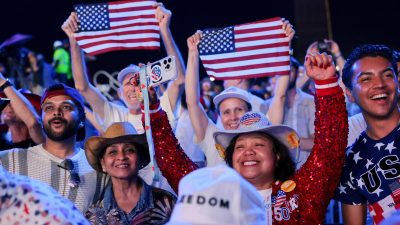
US Celebrates 250 Years of Independence Amid Weather Challenges and Political Focus
US marks 250th birthday with fireworks – The United States marked its 250th anniversary of independence with a mix of patriotic displays and unexpected weather disruptions. As the nation honored the historical milestone of the 13 colonies declaring freedom from British rule in 1776, festivities across the country faced delays and changes due to severe storms. Despite the challenges, the event showcased the enduring spirit of American unity, even as debates over its political undertones continued.
Weather Disruptions Delay Key Events in Washington DC
Washington D.C., the heart of the nation’s celebrations, experienced significant interruptions from an early evening thunderstorm. The storm forced the evacuation of the National Mall, where President Donald Trump had planned a major rally to commemorate the occasion. Crowds who had gathered to hear his speech were asked to seek shelter in nearby buildings, leading to a delay in the festivities. The original event, which Trump described as “the world’s largest firework display,” was eventually rescheduled, adding a layer of unpredictability to the day’s activities.
“The American dream is back,” Trump declared to a cheering audience, emphasizing his vision for the country’s future as he delivered his speech just before midnight. His remarks, which highlighted themes of independence and national pride, were followed by a dramatic fireworks show that began at 01:00 local time (06:00 GMT), marking the finale of the day’s celebrations.
Even as the storm passed and activities resumed, the weather continued to cast a shadow over the festivities. A light drizzle prompted attendees on Capitol Hill to cheer briefly before quickly dispersing toward the exits. While the disruptions were inconvenient, they underscored the unpredictable nature of the day’s events, which had already been delayed by the initial storm.
Political Themes and Controversies
Trump’s involvement in the celebrations was not without controversy. Critics argued that he used the anniversary to elevate his personal brand, transforming a historical milestone into a platform for political messaging. The president’s speech touched on several key themes, including the fight against communism, his support for the Save America Act, and the Second Amendment rights. “Long live the cause of independence,” he proclaimed, “May it reign forever and ever and ever. We will always be on top, we will never let our country fall, we will always be the best.” These statements, while celebratory in tone, were seen by some as an attempt to reinforce his ideological stance.
The political angle was further amplified by the establishment of the Freedom 250, a privately funded events committee created by Trump to compete with the Congress-backed America 250 commission. This initiative, which aimed to spotlight his vision for the nation’s future, sparked accusations that the anniversary was being used as a stage for partisan agendas. However, supporters defended his approach, stating that the event was an opportunity to showcase the country’s resilience and direction.
Community Events and National Unity
While Washington D.C. grappled with weather-related challenges, communities across the country embraced the 250th anniversary with a diverse array of events. The bipartisan America 250 initiative encouraged local gatherings, including the “America’s Block Party,” where people from different backgrounds came together to celebrate shared heritage. In Philadelphia, the birthplace of the Declaration of Independence, members of Congress gathered at Independence Hall, the site of the historic 1776 signing, to reflect on the nation’s founding.
Meanwhile, cities like New York hosted iconic traditions. The annual hot dog eating contest, a longstanding event since 1972, took place at Coney Island, with Joey Chestnut claiming his 18th title. Chestnut, who ate 66 hot dogs in 10 minutes, proved once again that the contest remains a highlight of the celebrations. In the women’s division, Miki Sudo secured her 12th victory, narrowly edging out competitors with a total of 38 and three-quarters of a hot dog.
Symbolic Gestures and Legacy
Amid the festivities, organizers took symbolic steps to preserve the nation’s legacy. A time capsule was buried in Philadelphia, to be unearthed in 200 years, containing a Coca-Cola bottle, a signed copy of the Constitution, and artifacts representing each of the 50 states and U.S. territories. This gesture, described by organizers as a way to “keep the memory of America’s founding alive,” was a fitting tribute to the country’s 250-year journey.
Back in Virginia, the estate of George Washington—Mount Vernon—hosted a naturalization ceremony welcoming 150 new citizens from 50 countries. The event, which symbolized the enduring promise of American freedom, was a testament to the nation’s ongoing role as a beacon for those seeking new beginnings. Such moments highlighted the anniversary’s broader significance, beyond political speeches and weather disruptions.
Public Reaction and Cultural Impact
Despite the logistical hurdles, the public’s enthusiasm for the celebrations remained strong. Tammy Wapshott, a visitor from South Carolina, told the BBC that she had been planning her trip to Washington D.C. since last November, eager to “celebrate the best country in the world” where “everyone is free to do what they wanna do.” Her sentiment reflected the pride many Americans felt in their nation’s history, even as they navigated the day’s challenges.
However, not all attendees shared the same perspective. Around 400 members of the white nationalist group Patriot Front were seen marching in unison through the streets of the capital, carrying U.S. flags and reinforcing their belief in the country’s founding principles. Videos of their procession, which included stops near the Capitol building and Union Station, circulated widely on social media, sparking discussions about the intersection of patriotism and political ideology.
Chris Cornell, who traveled to the capital from Maryland, expressed a more neutral view. “We’re all just here to celebrate our country,” he remarked, suggesting that the event’s primary purpose was to honor national identity rather than partisan politics. His comment resonated with those who saw the anniversary as a unifying celebration, transcending individual differences.
Looking Ahead: A New Era of Celebrations
As the festivities concluded, the focus shifted to the future. The combined efforts of the Freedom 250 and America 250 initiatives demonstrated the diverse ways in which the nation could mark its history. From flyovers featuring the new Air Force One to concerts and fireworks, the celebrations were designed to evoke a sense of pride and continuity. While the weather may have disrupted some plans, the overall tone of the day remained one of optimism and resilience.
For many, the 250th anniversary served as a reminder of the nation’s journey from colonial struggle to global superpower. Trump’s declaration that the moment was “only the dawn of the golden age of America” captured this sentiment, framing the event as the beginning of a new era. As the sun set on July 4th, the blend of tradition, innovation, and unpredictability left a lasting impression on those who attended, ensuring that the anniversary would be remembered as much for its spirit as for its challenges.
Ultimately, the United States’ 250th birthday highlighted both the nation’s enduring traditions and its capacity for adaptation. Whether through the brilliance of fireworks, the symbolism of a time capsule, or the camaraderie of local gatherings, the celebrations underscored the diverse ways in which Americans choose to honor their shared history. Even as the weather tested the event’s timing, the enthusiasm for the occasion remained undiminished, reflecting the resilience and unity that continue to define the nation.
