Police to use Thames to separate protesters at Al Quds protest
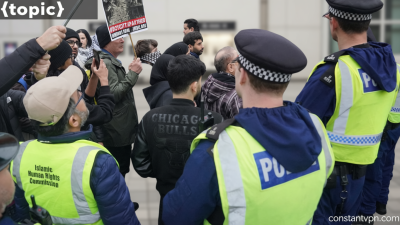
Metropolitan Police Deploy Thames as Barrier Between Demonstrators at Al Quds Rally
Authorities in central London have announced the use of the River Thames as a segregation measure between protesters and counter-protesters during the Al Quds Day rally on Sunday. This strategy aims to manage the opposing groups and ensure control over the event’s dynamics.
Ban on Planned March Sparks Controversy
The Metropolitan Police had earlier halted a planned procession to the Home Office, citing Home Secretary Shabana Mahmood’s approval for a ban aimed at averting severe public unrest. The decision followed a request from the police force to block the march.
The Islamic Human Rights Commission (IHRC), the organisers of the rally, were described as “supportive of the Iranian regime” by the police. This marks the first instance of a protest march being blocked by the Metropolitan Police in 14 years.
In response, the IHRC declared that a “static” demonstration will proceed, asserting that the ban was a “politically motivated decision.” They characterised the event as a peaceful, pro-Palestinian gathering.
Strategic Tactic and Event Logistics
During a Thursday briefing, Assistant Commissioner Ade Adelekan outlined the Thames’ role as a segregation measure between demonstrators as a “novel, tailored strategy” to address the “distinct challenges” posed by the Al Quds rally. The Met anticipates at least 6,000 participants in the protest and an additional 6,000 counter-protesters, though they warned of potential “substantial increases” due to heightened tensions in the Middle East.
Protesters will gather south of the Thames on Albert Embankment, while counter-protesters will be confined to Millbank. Lambeth and Vauxhall Bridges will remain closed to all traffic, allowing only emergency service vehicles to pass.
Policing Scale and Community Focus
More than 1,000 officers are set to oversee the event, including members from community units and other forces. Additional patrols will be deployed around key locations in London, such as areas with significant Jewish populations.
“Officers on the ground will be instructed to respond promptly,” Adelekan stated. “This includes managing placards, flags, and chants.” He also highlighted a “zero tolerance approach” to hate crime, with individuals endorsing proscribed organisations at risk of being detained.
Adelekan acknowledged that the ban and policing steps “do not entirely eliminate the risk of disorder,” but they will “substantially ease the task of controlling the event.” The Met cited community tensions, the rally’s historical context, and an “intelligence gap” as factors in their decision to request the ban.
Tradition and Global Significance
Al Quds Day, initiated after the 1979 Iranian Revolution, is traditionally observed on the final Friday of Ramadan. Demonstrations occur globally, with the IHRC framing the day as a symbolic stand in favor of Palestine.
