Morocco captain Hakimi to stand trial for rape
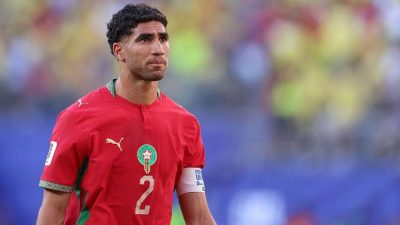
French Prosecutors Confirm Morocco Captain Hakimi Will Face Rape Trial
Constantvpn.com – Achraf Hakimi, the Moroccan footballer who has become a global figure since his debut in 2016, is set to stand trial for alleged sexual assault. French authorities have announced that the 27-year-old defender, who plays for Paris St-Germain, will appear in court after a woman accused him of raping her at his home in Paris in 2023. The incident occurred when the victim was 24, and Hakimi, who has already earned 97 caps for his national team, remains defiant despite the legal proceedings.
The case has been under investigation for nearly three years, with the Nanterre public prosecutor’s office initiating a preliminary inquiry in March 2023. This step followed the woman’s allegations, which were made public earlier that year. In February 2026, an investigating judge approved the trial, marking a significant milestone in the legal process. However, Hakimi recently attempted to have the case dismissed, an effort that was unsuccessful. French media have reported that the appeal failed, leaving the trial in place.
Hakimi’s upcoming World Cup match against Scotland on Friday evening (23:00 BST) has added urgency to the situation. While the trial is set to begin soon, the defender has yet to face the court. He is expected to lead his team in the second group-stage fixture, a moment that has drawn both support and scrutiny from fans and critics alike. The case has raised questions about the intersection of sports and justice, particularly in light of the high-profile nature of the defendant.
Acknowledging the Charges: Hakimi’s Defiance
Hakimi has consistently denied the accusations, stating his belief in the fairness of the judicial system. In a recent social media post, he expressed his frustration with the narrative surrounding the case. “The justice system has looked me in the eye and said, ‘If you weren’t famous, there would never have been a case,'” he wrote. “I chose to remain quiet for years, hoping that patience and trust in the process would lead to the right outcome. Today, a story that isn’t mine is being told at my expense, damaging my family, my life, and above all, the truth. I sometimes feel like I’ve become an easy target.” He added, “I’ve waited for this trial since day one. Now, I’m eager to speak and share my side.”
Hakimi’s statement reflects the emotional toll of the case, which has dominated headlines in recent weeks. His words have resonated with many, highlighting the challenges faced by public figures when allegations of misconduct arise. The trial now serves as a platform for him to confront the accusations directly, a step he has described as necessary for clearing his name.
The Plaintiff’s Perspective: A Voice for Justice
Rachel-Flore Pardo, the lawyer representing the woman who accused Hakimi, emphasized the significance of the trial for both her client and the broader fight against sexual violence. “After more than three years of legal battles, and after my client was unfairly attacked by the defendant’s defense, this decision brings her relief and hope,” she said. “Relief that the justice system has finally heard her case and will grant her the opportunity to be tried. Hope that this trial will empower other women and break down the barriers of denial and impunity in men’s football.”
The legal process has been a long and arduous journey for the plaintiff. During the investigation, she faced criticism and public scrutiny, with some questioning her credibility. Pardo described the trial as a chance to reclaim her voice and set a precedent for future cases. The case also underscores the growing awareness of sexual violence in sports, particularly in the men’s game, where such incidents have often gone unnoticed or underreported.
World Cup Context: Morocco’s Group Stage in the U.S.
The trial coincides with Morocco’s participation in the World Cup, which is being hosted across the United States, Canada, and Mexico. All three of the team’s group-stage matches will take place in the U.S., where they are currently based. This has raised concerns about the potential impact of the trial on Hakimi’s ability to perform on the field. If Morocco advances to the knockout stages, the defender may need to travel to Canada or Mexico for subsequent matches, depending on the schedule.
Earlier this year, another high-profile case involving a footballer disrupted a World Cup campaign. Ghana midfielder Thomas Partey missed his opener against Panama due to being denied entry into Canada. Partey, 32, faces seven rape charges and one sexual assault count related to allegations from four women between 2020 and 2022. His trial is scheduled for next year, adding to the spotlight on athletes accused of sexual misconduct during international competitions.
Legal Framework: Entry Restrictions and the Justice System
Canada’s government has the authority to deny entry to anyone who has “committed or been convicted of a crime,” according to its official website. This policy has been invoked in the case of Partey and now appears relevant to Hakimi’s situation. If Morocco progresses beyond the group stage, the team’s movement between countries could be affected by the outcome of Hakimi’s trial. The World Cup will be held across all three co-host nations until the quarter-finals, after which it will be exclusively in the U.S.
The case has sparked debates about the role of the justice system in handling allegations against athletes. While some argue that public figures should be held to higher standards, others question whether the process has been fair to Hakimi. His defense team has reportedly emphasized his character and the lack of conclusive evidence, but the legal process has proceeded regardless. The trial is now a focal point for both the individual and the team, as the spotlight shines on the intersection of sports and justice.
As the trial approaches, the world will be watching closely. For Hakimi, it is a defining moment in his career, one that could shape his legacy as both a player and a person. For the Moroccan team, it adds a layer of complexity to their campaign, with the defense of their captain becoming a key priority. The outcome of the trial may not only affect Hakimi personally but also influence the broader perception of sexual violence in football, where stories often take time to unfold.
Hakimi’s journey in football has been marked by rapid success. He joined Paris St-Germain from Inter Milan in 2021 and has since won 13 major silverware titles, including back-to-back Champions League trophies. His performance on the pitch has earned him praise, but the allegations have shifted public attention away from his achievements. The trial is a reminder that even the most accomplished athletes are not immune to scrutiny off the field.
Meanwhile, the Moroccan team continues to build momentum in the World Cup. Hakimi’s leadership was instrumental in their historic run to the semi-finals in 2022, a feat that remains a source of national pride. His presence in the squad is crucial, and the trial may test his ability to balance personal challenges with team responsibilities. The upcoming matches against Scotland represent a critical opportunity for the team to build confidence and secure progression.
The case has also highlighted the importance of legal proceedings in establishing truth. While the details of the alleged incident remain under review, the trial provides a structured process to determine accountability. For the plaintiff, it is a chance to be heard, while for Hakimi, it is an opportunity to assert his innocence. The world of football, known for its high stakes and dramatic moments, now faces a test of its commitment to justice and transparency.
