DR Congo players told to isolate before World Cup
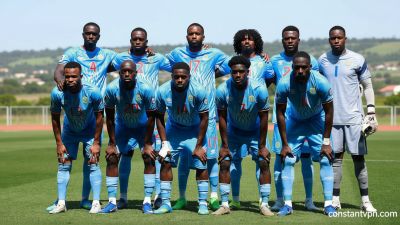
DR Congo Players Told to Isolate Before World Cup
Constantvpn.com – The Democratic Republic of Congo (DRC) has been assigned to Group K at the upcoming World Cup, where they will face Portugal, Colombia, and Uzbekistan. The national team’s preparation for the tournament has been significantly impacted by the ongoing Ebola outbreak, prompting health authorities to implement strict protocols to ensure player safety. A key measure involves requiring the squad to isolate for 21 days prior to their arrival in the United States, a decision made in response to the heightened risk of transmission within the region.
Training Shift Due to Health Concerns
Originally planned to train in Kinshasa, the DRC’s pre-World Cup camp was abruptly canceled, forcing the team to relocate their activities to Belgium. This change was necessary to mitigate the risk of exposure to the Ebola virus, which has been spreading in the eastern part of the country. The team’s current training regimen in Belgium is part of a broader strategy to maintain a “bubble” environment, minimizing contact with outsiders and ensuring a safe transition to the U.S.
“They need to maintain that bubble or they risk not being able to travel to the United States. We cannot be any clearer,” said Andrew Giuliani, executive director of the White House Task Force for the World Cup, during an interview with ESPN. His comments underscore the urgency of the health precautions, as the outbreak threatens to disrupt the team’s participation in the tournament.
The Centers for Disease Control and Prevention (CDC) in the U.S. has imposed a ban on entry for non-Americans who have visited the DRC, Uganda, or South Sudan within the past 21 days. This directive aims to prevent the importation of the virus into the country, where the World Cup will be held. However, the DRC’s players, who are based abroad, are not subject to this restriction, as their training camp in Kinshasa was canceled. This arrangement allows them to bypass the CDC’s quarantine requirements while still adhering to the necessary health protocols.
WHO Elevates Risk Level in the DRC
On Friday, the World Health Organization (WHO) upgraded the public health risk posed by the Ebola outbreak in the DRC from “high” to “very high.” This classification highlights the severity of the situation, which has intensified due to the virus’s spread in densely populated areas. Despite this, WHO director-general Dr. Tedros Adhanom Ghebreyesus noted that the global risk remains “low,” though the regional impact is significant. The decision to raise the alert level reflects the need for increased vigilance in the DRC and neighboring countries.
Giuliani emphasized that the isolation period is critical to safeguarding the team’s ability to compete. “If there are other people that are going to be coming in, they need to have a separate bubble from that team,” he explained. “If they end up coming, and any of those people end up symptomatic, they are risking the entire team being able to come and compete in this World Cup.” This cautionary statement underscores the collaborative efforts between health officials and sports organizations to prevent any potential outbreaks during the tournament.
Upcoming Matches and Tournament Timeline
The DRC’s schedule includes two friendly matches scheduled for June 3 and June 9, with the team playing against Denmark in Belgium and Chile in Spain. These games will serve as a final opportunity to test the squad’s readiness before the World Cup begins on June 11. The tournament will run until July 19, with the DRC’s opening game against Portugal set for June 17. This timeline places the team in a tight window to prepare fully for their debut.
Health officials have been working closely with the DRC’s team to coordinate their travel plans. The isolation requirement means players will have to spend the next three weeks away from their families and teammates, relying on a controlled environment to monitor their health. This approach is part of a larger strategy to ensure that the team can participate in the World Cup without any complications from the Ebola outbreak.
While the DRC’s players are not directly affected by the CDC’s restrictions, the measures have created logistical challenges. The team’s training in Belgium must now align with the isolation protocol, requiring careful planning to avoid delays. This includes ensuring that all personnel, such as coaches and medical staff, are also adhering to the same rules. The White House Task Force has been instrumental in facilitating these adjustments, working with local authorities to provide support during the transition period.
The decision to isolate players has sparked discussions about the balance between health safety and sports readiness. Some experts argue that the 21-day period is sufficient to reduce the risk of transmission, while others caution that the virus’s rapid spread in the region could still pose challenges. Giuliani acknowledged the importance of this measure, stating that the protocol is designed to protect not only the team but also the broader community in the U.S. during the World Cup.
As the DRC prepares for their first match, the focus remains on maintaining the integrity of their “bubble” environment. The team’s ability to stay healthy and avoid any symptomatic cases will be crucial to their success in the tournament. With the World Cup’s global spotlight, the stakes are high, and the health of the players is a top priority for organizers and officials alike.
The CDC’s ban on entry from affected regions has also prompted other nations to review their own protocols. While the DRC’s players are safe under the current arrangements, the outbreak serves as a reminder of the ongoing health challenges in the region. The WHO’s recent elevation of the risk level to “very high” adds pressure to ensure that no lapses in protocol occur, especially as the World Cup approaches.
For now, the DRC’s players remain in Belgium, training under strict guidelines to prepare for their journey to the United States. The isolation period is a temporary inconvenience, but it is essential to uphold the health measures that have been put in place. As the team refines their strategies and builds cohesion, the hope is that they will be able to compete at their best, contributing to the World Cup’s success while staying safe from the virus.
The situation highlights the intersection of global health and international sports. The World Cup, a major event that brings together nations from around the world, must now navigate the complexities of the Ebola outbreak. For the DRC, the challenge is not only to isolate effectively but also to maintain their competitive edge. The team’s performance in the opening match against Portugal will be a key indicator of how well they have adapted to these conditions.
Ultimately, the isolation requirement is a necessary precaution to protect the players and the World Cup’s global audience. As the tournament approaches, the DRC’s team will be closely watched for their ability to manage the health protocols and deliver strong performances on the field. Their journey from Belgium to the U.S. is a testament to the resilience of athletes and the importance of public health measures in ensuring the success of international sporting events.
