Why the Gulf fears Israel’s ‘day after’ in Iran
Why the Gulf fears Israel’s ‘day after’ in Iran
The Gulf Cooperation Council (GCC) nations have endured Iranian strikes with missiles and drones, yet their military strength and wealth have not translated into aggressive retaliation. Despite the barrage of attacks, these countries have largely adopted a defensive stance, focusing on minimizing damage rather than launching counteroffensives.
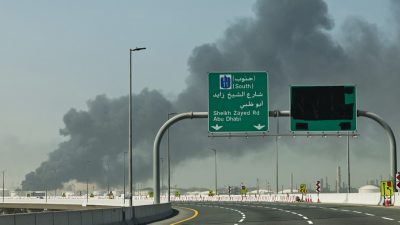
Analysts had anticipated the conflict for weeks, forecasting a potential strike by the US and Israel. Meanwhile, Iran’s leadership issued stark warnings, vowing to unleash “hell” across the region in response. Both sides ultimately fulfilled their threats: the US and Israel initiated the war, while Iran escalated it by targeting civilian infrastructure in every GCC state.
Strategic Divergence
Gulf states remain cautious, even as they face intense pressure. Their strategic priorities have not shifted significantly, despite the chaos. While anger toward Iran is evident, they continue to view the situation through the lens of limited options for the future. The fear of a prolonged conflict persists, as their calculations prepare for what they call the “day after.”
“hell”
Israel and the Gulf states differ fundamentally in their vision for postwar Iran. The former seeks a protracted struggle to dismantle Iran’s capacity for aggression, while the latter prefers a swift resolution that preserves regional stability. This divide explains the GCC’s reluctance to escalate beyond defense, even as tensions rise.
Impediments to Peace
Decapitating Iran’s leadership might be the GCC’s ideal scenario, but it falls short of US and Israeli objectives. President Donald Trump has claimed the US has eliminated not only key Iranian figures but also potential replacements, ensuring a continuous threat. For Washington, a deal could demand Iran to dismantle its nuclear and missile programs, though the regime’s resistance remains strong. Israel, however, aims for deeper destabilization, targeting institutions rather than just individuals.
“same but different”
The conflict’s likely trajectory is a slow-burn stalemate, mirroring Gaza’s situation. Even with a ceasefire, it would remain fragile, with periodic clashes and unresolved tensions. Iranian leadership would replace key personnel, but their grand strategy of regional resistance would endure, driving continued attacks on Gulf states to pressure the US into negotiations.
For the Gulf, this prolonged scenario is a nightmare. They seek to avoid chaos and restore prewar stability, but their efforts to manage the conflict have not stopped the momentum. The fear remains: a destabilized Iran could embolden Israeli influence, altering the balance of power in the region forever.
