World Cup kicks off in Mexico with Shakira, dancing, and protests
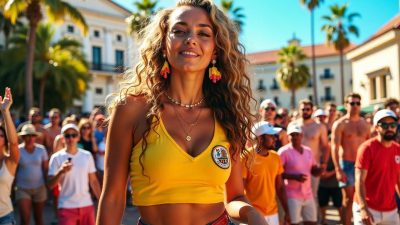
2026 World Cup Kicks Off in Mexico City with Musical Spectacle and Social Tensions
Constantvpn.com – The 2026 FIFA World Cup commenced in Mexico City on a vibrant Saturday, marked by an opening ceremony that blended cultural pride with international flair. The event, held at the historic Azteca Stadium, featured a dazzling array of performances, including a high-energy appearance by Colombian pop sensation Shakira. As thousands of supporters gathered, the atmosphere buzzed with anticipation for the first time Mexico would host the tournament in nearly four decades. The ceremony showcased the country’s rich heritage and contemporary music scene, with artists from around the globe contributing to the global spectacle.
Celebrations and Cultural Symbolism
Inside the stadium, the crowd was a kaleidoscope of colors, with fans donning the team’s traditional red, green, and white jerseys. The opening act included a melodic rendition of the national anthem by Mexican singer Alejandro Fernández, whose father, Vicente Fernández, is a legendary figure in Latin music. His performance was met with thunderous applause, symbolizing a deep connection between football and national identity. The festivities also featured the world-renowned opera singer Andrea Bocelli, who performed alongside K-Pop artist Ejae, delivering the tournament’s official anthem, “DNA,” which was launched just days earlier.
On the global stage, the World Cup’s opening ceremony highlighted Mexico’s role as a co-host alongside the United States and Canada. The event’s creative direction was deliberate, aiming to reflect the nation’s diversity and history. Performers donned indigenous attire, while others carried massive golden footballs, a visual metaphor for the tournament’s significance. The ceremony concluded with a powerful message: “Bienvenida a México. Welcome to Mexico,” said a presenter, emphasizing the unity and pride the event evoked.
Protests and Security Challenges
While the stadium was alive with joy, the city’s streets saw a different scene. Protests erupted as radical groups sought to draw attention to ongoing social issues, including Mexico’s drug war. Teachers and families of missing persons marched, their voices echoing the nation’s struggles. These demonstrations, though peaceful for the most part, occasionally turned confrontational, leading to clashes with law enforcement. Over 200 hooded protesters, part of larger groups of about 800, broke away and engaged in altercations with police, who swiftly contained the unrest.
The security response was visible across the city, with barricades and police patrols deterring further disruptions. Nearby metro stations were briefly closed as a precaution, affecting thousands of commuters. Despite the tension, the World Cup’s energy remained dominant. Fans inside the stadium celebrated Mexico’s 2-0 victory against South Africa, a historic moment for the host nation. The match, which kicked off the tournament, was a testament to the country’s long-awaited return to the global football spotlight.
“We were lucky to get hospitality tickets and it’s a unique experience. I have never been to a World Cup before so to bring my family is wonderful,” said Javier Pérez, a fan who traveled with his loved ones to witness the opening match. “I just want Mexico to get off on the right foot, win today and score a load of goals! And then we’ll see how far we can go!”
The event’s blend of celebration and controversy underscored the complex emotions surrounding the World Cup. For many, it was a chance to showcase Mexico’s cultural vibrancy and athletic prowess. For others, it was a reminder of the challenges the country still faces. The clashes, however, did not overshadow the excitement. As the opening ceremony drew to a close, the crowd’s chants of “¡Viva México!” filled the air, a sound that would resonate throughout the tournament.
Global Artists and the Anthems
The World Cup’s ceremonies featured a lineup of international stars, reflecting its global appeal. In addition to Shakira, Colombian artist J Balvin, Afrobeats performer Burna Boy, and Latin music icon Danny Ocean contributed to the festivities. The performances were carefully curated to honor the participating nations, with the Mexican anthem sung in unison by the crowd after Fernández’s solo rendition. South African artist Tyla, known for hits like “Water” and the FIFA anthem “Game Time,” took the stage to perform her country’s anthem, further cementing the event’s multicultural identity.
As the tournament progresses, fans will have the opportunity to see more global talent. Tyla will return to the World Cup stage on Friday for the U.S. opening ceremony in Los Angeles, where she will perform alongside Katy Perry, Future, Lisa, and Anitta. This selection of artists, including those featured on the 18-song Official FIFA World Cup 2026 Album, aims to create an immersive experience for audiences worldwide. The anthems, both national and official, serve as unifying threads, binding the diverse crowd under a shared sense of purpose and pride.
Legacy and Future of the World Cup
Mexico’s hosting of the 2026 World Cup represents more than just a sporting event—it is a celebration of resilience and cultural renaissance. The country’s long-awaited return to the global stage has been marked by a blend of optimism and skepticism, as both fans and critics reflect on the broader implications of the tournament. While the opening ceremony showcased the nation’s ability to host a world-class event, the protests highlighted ongoing societal concerns. Yet, the football pitch remains a powerful platform, capable of uniting people across divides.
For the first time since 1986, Mexico will welcome the World Cup to its home soil, a moment that has stirred immense enthusiasm. The opening match, a 2-0 victory over South Africa, set the tone for a campaign that many hope will echo the country’s pride and passion. As the tournament unfolds, the interplay between celebration and social discourse will continue to shape the narrative. The Azteca Stadium, a symbol of Mexico’s football legacy, now stands as a stage for both triumph and reflection.
Additional reporting from Elizabeth Conway, BBC Sport at the Azteca Stadium, highlighted the seamless integration of culture and competition. The event’s organizers worked diligently to balance the excitement of the game with the voices of the people, ensuring that the World Cup’s presence in Mexico would be felt beyond the stadium walls. Whether through music, color, or the shared language of football, the 2026 World Cup has already begun to leave its mark on the world stage.
