Why are thousands of people protesting in Delhi?
The Rising Tide of Youth Discontent: Understanding India’s Cockroach Movement
Constantvpn.com – Across the bustling streets of India’s capital city, a remarkable transformation has unfolded. What began as a lighthearted digital phenomenon has evolved into one of the nation’s most prominent youth-led campaigns. Tens of thousands of Generation Z demonstrators have flooded Delhi’s avenues, demanding that the country’s education minister step down from her position. The Cockroach Janta Party, or CJP as it is commonly known, represents a fascinating intersection of humor and serious political engagement.
From Internet Joke to Grassroots Powerhouse
Abhijeet Dipke, a thirty-year-old political communications expert who previously studied at Boston University, serves as the movement’s primary figurehead. According to Dipke, the initiative originated as nothing more than a playful concept. However, when he opened a simple Google form for people to join, the response was overwhelming. Tens of thousands of young Indians signed up, transforming what was meant to be a passing amusement into a genuine political force.
The timing of the movement’s emergence proved particularly significant. India’s younger generation has expressed mounting frustration with various institutional failures, and the CJP channeled this energy into organized action. Despite its comedic beginnings, the group has become a powerful voice for disaffected citizens seeking meaningful change.
The Catalyst: Sonam Wangchuk’s Detention
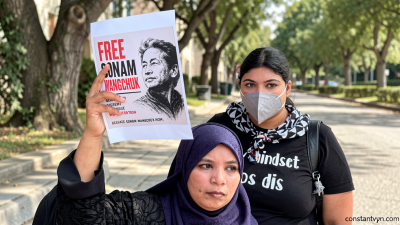
Monday’s massive demonstrations received their immediate impetus from events surrounding Sonam Wangchuk, a distinguished engineer and social activist aged fifty-nine. Wangchuk had maintained a twenty-day hunger strike at Jantar Mantar, Delhi’s historic three-hundred-year-old astronomical observatory that regularly hosts demonstrations. His purpose was to show solidarity with the Cockroach Janta Party.
On Saturday, authorities forcibly transported Wangchuk to a medical facility. This action prompted Dipke to issue an urgent call for supporters to march toward India’s parliament building on Monday. CJP members have consistently advocated for Wangchuk’s freedom and proper treatment.
A Name Born from Controversy
The movement’s distinctive title emerged following remarks made by India’s Chief Justice, Surya Kant. During a court proceeding, the justice reportedly likened unemployed young individuals pursuing journalism and activism to both cockroaches and parasites. He subsequently clarified that his comments specifically targeted people possessing “fake and bogus degrees,” rather than the broader youth population.
The name also cleverly mirrors Prime Minister Narendra Modi’s Bharatiya Janata Party, abbreviated as BJP, which has governed India since 2014. This dual meaning—referencing both the justice’s comparison and the political parody—has helped the movement gain recognition.
The NEET Exam Crisis
Central to the CJP’s demands is India’s education framework, particularly the National Eligibility cum Entrance Test. Known simply as NEET, this examination serves as the primary gateway for medical college admissions nationwide. On May 3, approximately 2.28 million candidates attempted the notoriously challenging test after months, and sometimes years, of preparation.
Days following the exam, officials announced its cancellation amid allegations that questions had been compromised. This decision devastated thousands of aspirants who were forced to retake the examination under stringent security measures weeks later. The CJP and numerous families have claimed that around twenty students took their own lives due to the emotional toll of the cancellation.
A similar controversy affected NEET in 2024, reinforcing concerns about systemic vulnerabilities. The movement is demanding comprehensive reforms, including stricter oversight of potential leaks and the resignation of Education Minister Dharmendra Pradhan.
Political Resonance and Growing Support
Following Wangchuk’s hospitalization, Dipke extended his demands beyond the education ministry, calling for Prime Minister Modi to also step down. The leader has since initiated his own hunger strike in response to Wangchuk’s detainment.
Monday’s demonstration stands as the most substantial protest in Delhi against Modi’s administration in recent memory. The movement has attracted backing from several opposition figures. Congress president Mallikarjun Kharge characterized police baton charges against student demonstrators as “an attack on democracy.” Mahua Moitra, a member of the All India Trinamool Congress, joined protesters before proceeding to parliament. Meanwhile, Samajwadi Party leader Akhilesh Yadav emphasized that demonstrators in the capital deserve respectful treatment.
While the ultimate success of the CJP’s objectives remains uncertain, its influence on Indian politics is undeniable. Young volunteers continue to demonstrate their commitment by appearing at clean-up events and rallies dressed as cockroaches, keeping the movement’s humorous origins alive while pursuing serious political goals.
