What Sky buying ITV could mean for your favourite shows
What Sky Buying ITV Could Mean for Your Favorite Shows
Constantvpn.com – A significant shift in the UK’s media landscape is set to occur as one of the most notable acquisitions in British broadcasting history unfolds. The American-owned pay-TV giant Sky is reportedly poised to acquire ITV’s television and streaming operations, marking a pivotal moment for both companies and their audiences. While the announcement may not yet be official, the deal has already sparked widespread discussion about its implications for the future of content creation and distribution.
The Takeover’s Impact on Viewer Experience
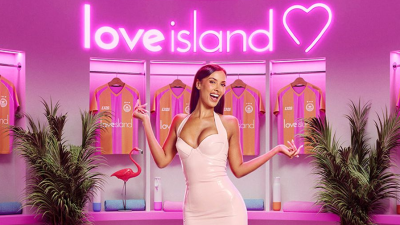
The move comes as Sky seeks to expand its footprint in the UK’s competitive media market. By acquiring ITV’s broadcast and digital assets, the company aims to strengthen its position as a major player in the industry. However, the deal raises questions about how this integration might affect the shows viewers have come to cherish. Caroline Frost, a TV and podcast editor at Radio Times, highlights a key legal requirement: ITV must continue to provide free-to-air programming until at least 2034 under its public service broadcasting license. This means that popular series like *Coronation Street*, *Love Island*, and *Emmerdale* will remain accessible on traditional platforms for the foreseeable future.
“Gradually, though, content which might debut on free/live-to-air ITV might end up on a subscription platform,” Frost explains. “But in the short to medium term, the big shows won’t look any different.”
Even as the deal progresses, audiences can expect to see their favorite ITV shows on both the free-to-air channel and the streaming service ITVX. The production team behind these programs, ITV Studios, will continue to create content for the network, ensuring the quality and familiarity of the shows remain intact. Frost notes that the takeover doesn’t immediately threaten the availability of beloved programming, but it does hint at a gradual transformation in how content is delivered.
ITV Studios: A Key Player in the Deal
Central to the acquisition is ITV Studios, the production arm of ITV that has been instrumental in creating iconic series for decades. Unlike the broader ITV network, ITV Studios is not being absorbed into Sky’s structure. Instead, it is expected to become an independent entity under the name ITV Studios PLC, retaining ownership by the current ITV shareholders. This separation allows the production company to maintain its creative autonomy while benefiting from the financial and technological resources of Sky.
ITV Studios currently manages over 60 production companies across the UK and global markets. Its portfolio includes not only ITV’s own programming but also content for the BBC, Disney Plus, and even international hits like *Love Island USA*. The deal’s success hinges on maintaining this independence, as the supply agreement ensures that ITV Studios continues to produce shows for the ITV network. This arrangement also provides a buffer, allowing Sky to leverage ITV’s established audience while preserving the integrity of its flagship content.
Producer Perspectives: A New Era of Collaboration
For those involved in creating content, the deal has been met with cautious optimism. Patrick Spence, a producer with ITV, shared his thoughts on the potential benefits of the partnership. He highlighted the synergy between Sky and ITV, emphasizing their shared goals of delivering compelling programming to audiences. “They want to make water cooler shows that bring people together,” Spence said, noting that both companies prioritize quality and audience engagement.
“We get told so often about the death of broadcast TV,” Spence added. “For producers, it’s said we’re looking at a cliff edge where the only places to sell our programmes will be streamers or some version of BBC, ITV, and Channel 4 joining forces. But this deal shows Sky truly values ITV’s reach and loyalty.”
Spence, who recently won a BAFTA for *Mr Bates vs The Post Office*—a massive hit for ITV in 2024 with an estimated 15 million viewers—believes the merger could help stabilize the industry. His current project, *Two Birds*, a thriller starring Sheridan Smith, underscores the continued strength of ITV as a platform for diverse genres. “ITV and Sky are very good bedfellows in many ways,” he said, suggesting that the collaboration might lead to innovative programming strategies.
Potential Changes in the Long Term
While the immediate impact on viewers is minimal, the long-term implications of the deal are more complex. Frost warned that the integration of ITVX with Sky’s streaming services could eventually lead to a more unified approach to content delivery. “Users of both platforms can expect to see integrated services, such as bundling titles by genre rather than channel,” she said. This strategy aims to reduce production costs and enhance cross-promotion.
However, significant changes to beloved shows, such as altering their format or frequency, may not happen until the supply deal is renegotiated. For now, the core lineup of ITV’s programming—whether broadcast or streamed—remains secure. Yet, the possibility of decommissioning certain shows or rebranding them for Sky’s platforms is still on the table. This could open the door for new creative directions, but it also means that some traditional elements of ITV’s identity might evolve.
Historical Context and Future Outlook
ITV, the oldest commercial television network in the UK, was founded in 1955 as a direct competitor to the BBC. Over the years, it has become a cornerstone of British entertainment, known for its long-running dramas and reality shows. The merger with Sky could help ITV navigate the challenges of a digital-first media world, offering access to new technologies and broader audiences. At the same time, it raises questions about the balance between innovation and tradition in the industry.
The deal also reflects a broader trend in the media sector, where traditional networks are increasingly partnering with streaming platforms to adapt to changing viewer habits. While some fear the decline of linear TV, Frost and Spence argue that this integration could create a more resilient ecosystem. “The predicted end of linear TV has been overplayed,” Spence said, suggesting that the transition to streaming is not an immediate replacement but a complementary evolution.
As the merger progresses, audiences will likely see a blend of familiar ITV content and new formats that leverage Sky’s capabilities. Whether this results in a more dynamic programming schedule or a streamlined approach to content distribution remains to be seen. For now, the most popular shows are safe, but the long-term vision for the UK’s media landscape is becoming clearer.
The acquisition of ITV by Sky is more than a business move—it’s a cultural one. It signals a shift toward more integrated media experiences, where content is no longer confined to a single platform. As the deal unfolds, the collaboration between ITV and Sky could redefine how audiences engage with British television, ensuring that both the network and its productions remain relevant in an increasingly digital world.
