What do Puerto Ricans think of the viral song about their homeland?
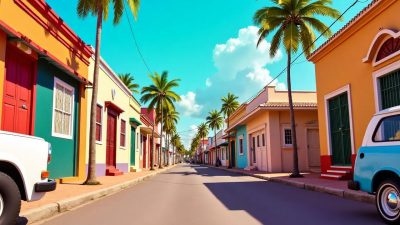
What do Puerto Ricans think of the viral song about their homeland?
The Viral Hit and Its Global Reach
Constantvpn.com – Over the past few weeks, a catchy melody has captured the attention of millions, with its lyrics weaving a vivid tapestry of Puerto Rico’s culture and charm. The song, crafted by internet personality and comedian Bill Stiteler, known as Saxboy Billy, has sparked widespread engagement on social media platforms, particularly TikTok. Stiteler, who used the AI music tool Suno to transform his written verses into a track, has seen the viral phenomenon gain traction far beyond his expectations. Celebrities like Mila Kunis, Charlie Puth, and Jennifer Love Hewitt have contributed their own lip-sync videos, further amplifying the song’s presence in the digital sphere.
A Love Letter to Puerto Rico
While the track is a lighthearted celebration of the island, its popularity has stirred mixed reactions among Puerto Ricans. For Maria Mercedes Grubb, a San Juan-based chef, the song represents a newfound sense of visibility. “It’s amazing to see the song being played by people who aren’t Puerto Rican. It feels like we’re finally on the global map,” she shared with the BBC World Service’s Outside Source programme. Grubb also highlighted the authenticity of the lyrics, particularly the reference to clapping as planes land—a detail she described as quintessentially Puerto Rican.
“Even the sentence about people clapping when the plane lands—that’s so Puerto Rico!” Grubb added, emphasizing how the song captures the essence of island life, from its vibrant culture to its unique identity as a U.S. territory.
The song’s themes of relaxation, adventure, and cultural landmarks have resonated with many, though others question whether its AI-generated nature dilutes the island’s true narrative. Debbie Perez, host of the Boriken podcast, which explores Puerto Rican history, praised the track for its positive portrayal of the island. “We felt like the creator genuinely appreciated our culture,” she said. “His interest in collaborating with Puerto Rican artists is promising—there are so many talented voices that can bring deeper stories to the forefront.”
From AI to Authenticity
Stiteler, who hails from Pittsburgh, Pennsylvania, revealed his admiration for Puerto Rican culture in a conversation with the BBC. He referenced a statue of Roberto Clemente, the legendary baseball player, in his hometown as a personal connection to the island. “When I visited Puerto Rico, everything just clicked,” he explained. This sentiment is echoed by Grubb, who believes the song’s lyrics reflect genuine insights into Puerto Rican life. “You can tell there was real thought put into the details—like the mention of slot machines in the bus station or the Obama statue. It’s clever how AI was used to bring these elements to life.”
Despite the praise, some Puerto Ricans worry that the song’s simplicity might overshadow more complex aspects of their society. “Love for Puerto Rico shouldn’t just be a catchy tune—it should reflect our struggles and aspirations,” Perez noted. She pointed to Bad Bunny, the island’s megastar, as a prime example of how music can amplify both the beauty and challenges of Puerto Rican life. “Bad Bunny’s work highlights the island’s resilience, but also its environmental and social issues, like power outages and the fight for sustainable development.”
The Power Outages and Cultural Resilience
Puerto Rico’s recurring power outages, which have become a symbol of the island’s post-Hurricane Maria recovery, are a key element in many of the song’s interpretations. Between 2021 and 2024, the average annual power outage for residents was reported to be 27 hours. This statistic underscores the broader context of the island’s infrastructure challenges, which have shaped its cultural narrative. Bad Bunny’s protest song “El Apagón” is often cited as a powerful anthem for these struggles, blending personal experience with national identity.
“You cannot talk about Puerto Rico without mentioning Bad Bunny,” Grubb remarked. “His music brings attention to issues like power outages and the environmental impact of development. Even during his Super Bowl headline show, the outages were a talking point that highlighted the island’s resilience.”
Grubb’s restaurant, which she runs in San Juan, witnessed this cultural impact firsthand. “During Bad Bunny’s two-month concert residency last summer, we saw a surge in visitors who were drawn to the island’s energy and music,” she said. “It was a reminder of how art can influence tourism and economic growth.” Yet, she also stressed that the song’s appeal should not overshadow the island’s deeper narratives. “While it’s great to celebrate Puerto Rico’s charm, we need to ensure that the global audience understands the full story behind its vibrant surface.”
Global Awareness and Local Pride
The song’s success has ignited conversations about how Puerto Rico is perceived on the international stage. For Perez, the track serves as a gateway to more nuanced discussions. “It’s a starting point for people to learn about our culture, history, and ongoing challenges,” she said. “But it’s up to us to expand that understanding beyond the lyrics.” This sentiment reflects a broader desire among Puerto Ricans to see their identity represented authentically in pop culture.
Stiteler’s collaboration with AI technology has sparked debates about the role of artificial intelligence in creative expression. While some argue that the tool allows for broader accessibility, others believe it lacks the human touch that makes music deeply personal. “The song is a testament to how technology can bridge cultural gaps,” Perez acknowledged. “But we also need to ensure that creators engage with the communities they’re representing to add depth to their work.”
Looking Ahead: A New Chapter for Puerto Rican Representation
As the song continues to trend, its legacy may extend beyond entertainment. Grubb and Perez both hope it inspires more attention to Puerto Rico’s multifaceted identity. “This track could be a catalyst for conversations about our heritage, our struggles, and our future,” Perez said. “It’s important that the island’s story isn’t reduced to a catchy phrase or a tourist attraction.” Grubb added, “If this song brings people closer to Puerto Rico, that’s a positive step. But we also need to keep pushing for stories that reflect our reality.”
The island’s unique status as a self-governing U.S. territory adds another layer to its cultural identity. With Spanish and English as official languages, Puerto Rico’s blend of traditions is both a strength and a challenge. The song, while a lighthearted tribute, reminds listeners of the island’s enduring spirit. “Whether it’s through AI or human effort, the goal is to share Puerto Rico’s story with the world,” Stiteler concluded. “I’m proud to be part of that journey.”
As the digital landscape continues to shape cultural narratives, the viral song serves as a reminder of the power of music to connect people across borders. Yet, for Puerto Ricans, it also raises questions about how their identity is being perceived and celebrated. “We want the world to see Puerto Rico not just as a destination, but as a place with deep-rooted history and ongoing challenges,” Grubb said. “That’s the true story we’re trying to tell.” The balance between celebration and critique remains a central theme, ensuring that the island’s presence in global culture is both vibrant and meaningful.
