US imposes sanctions on DR Congo ex-President Kabila alleging rebel support
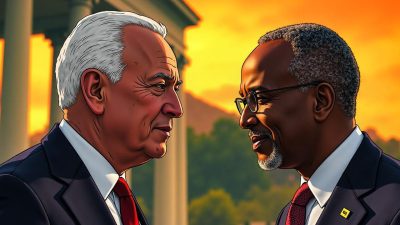
US Imposes Sanctions on DR Congo Ex-President Kabila Over Rebel Allegations
Accusations of Supporting M23 Rebel Group
Constantvpn.com – The United States has launched targeted sanctions against Joseph Kabila, the former president of the Democratic Republic of Congo (DRC), citing his alleged backing of the M23 rebel movement. Washington claims Kabila provided financial aid to the group, incited military defections from the Congolese armed forces, and even coordinated external attacks on the military. These actions, according to the US, contributed to the destabilization of Kinshasa and the weakening of the country’s security framework.
“The measures are profoundly unjustified, politically motivated, and rooted in unsubstantiated accusations,” said Kabila, a 54-year-old leader who governed the DRC for 18 years, starting in 2001.
Kabila’s office has labeled the US decision as a reflection of the Kinshasa authorities’ narrative, suggesting it aims to suppress dissent against corruption and political exploitation. “This represents a blank cheque for the crushing of every voice raised against corruption, predation, and the confiscation of the state,” his team added.
Regional Peace Efforts and Rwanda’s Role
Washington framed the sanctions as part of a broader strategy to fortify a peace agreement reached between the DRC and Rwanda last year. The US asserts that Rwanda also supports the M23 and previously sanctioned several high-ranking military commanders from the neighboring country in March. However, Rwanda has consistently denied providing backing to the rebels, insisting its military presence in the region is a defensive posture to counter potential threats to its security.
Kigali has emphasized that its involvement is necessary to protect against the growing influence of armed groups within the DRC. This stance comes despite the US presenting substantial evidence linking Rwanda to the M23’s activities. The regional collaboration, though controversial, has been pivotal in reducing hostilities between the two nations.
Sanctions Impact and Enforcement Measures
The US Treasury’s announcement outlined a range of restrictive measures aimed at isolating Kabila from global financial systems. All his assets in the United States are now frozen, and American citizens and businesses are prohibited from engaging with him. Additionally, banks and foreign entities have been advised to avoid even indirect interactions with the former president, with penalties for violations ranging from civil fines to criminal charges.
These sanctions are designed to serve dual purposes: to impose consequences for his alleged role in the conflict and to encourage shifts in behavior. By targeting a former leader, Washington signals its commitment to holding individuals accountable for fueling regional instability. The DRC government, however, praised the move as a significant step toward combating impunity, ensuring respect for sovereignty, and promoting transparency in political processes.
Current Conflict Dynamics in Eastern DR Congo
Eastern DR Congo has long been a battleground for various armed groups, with persistent violence shaping the region’s political and economic landscape. In early 2025, the M23 rebel group made notable gains, seizing key cities in a mineral-rich area. This resurgence has raised concerns about the group’s impact on the country’s stability and its potential to disrupt critical mineral supply chains.
Notably, the US has highlighted the economic implications of the conflict, emphasizing that the sanctions bolster a regional trade agreement aimed at enhancing transparency in the extraction and distribution of minerals like cobalt, coltan, and copper. This partnership, signed in December 2024, seeks to improve access to the DRC’s valuable resources while curbing illicit activities linked to the conflict.
Uncertainty Surrounding Kabila’s Status and Legal Proceedings
The whereabouts of Kabila remain uncertain, though he recently appeared in Goma, a city under M23 control, 12 months ago. His absence from court has led to a death sentence in absentia, handed down by a Congolese military tribunal in September 2024. The ruling accused him of war crimes and treason in connection with his alleged support for the rebels.
Kabila denied the charges, calling the case “arbitrary” and questioning its fairness. His defense highlights the political nature of the accusations, suggesting they are part of a broader effort to delegitimize his leadership and control the narrative surrounding the conflict. Despite the US sanctions, Kabila continues to assert his innocence and the legitimacy of his actions.
Broader Implications for Regional Stability
The sanctions on Kabila underscore a growing trend of Western powers using financial tools to influence political outcomes in conflict-prone regions. By targeting a former leader, the US aims to deter future support for rebel groups and reinforce commitments to peace agreements. This approach, however, has sparked debates about the balance between accountability and the potential for political overreach.
Meanwhile, the ongoing conflict in eastern DR Congo remains a critical issue, with armed groups continuing to challenge government authority. The M23’s recent territorial gains highlight the fragility of the region’s security and the need for sustained diplomatic and economic efforts to address the root causes of the violence. As the situation evolves, the interplay between political leaders, rebel factions, and international actors will likely shape the path toward lasting resolution.
For further updates on African news, visit BBCAfrica.com. Follow us on @BBCAfrica on Twitter, BBC Africa on Facebook, or bbcafrica on Instagram.
