UK humanitarian worker monitored for Ebola in London hospital
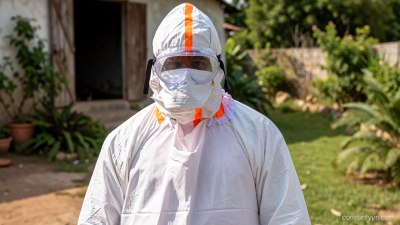
UK Humanitarian Worker Monitored for Ebola After Congo Exposure
Constantvpn.com – A UK humanitarian worker monitored for Ebola has been safely transferred to a London hospital following a potential healthcare-related exposure in the Democratic Republic of Congo. The UK Health Security Agency (UKHSA) confirmed that the individual, a UK resident whose identity has not been disclosed, is currently asymptomatic and being held under precautionary measures. Medical professionals are closely observing the worker’s condition as part of standard protocol for potential Ebola exposure cases.
The specific hospital in London has not been officially named, though the Royal Free Hospital in north London is widely understood to house the country’s primary high-level isolation unit for high-consequence infectious diseases. Under current guidelines, the UK humanitarian worker monitored for Ebola must remain in isolation for the full incubation period, which spans between two and 21 days. This precautionary approach ensures that any potential symptoms would be detected and managed promptly within a controlled medical environment.
Understanding Ebola Transmission and Symptoms
Ebola virus disease represents one of the most severe viral hemorrhagic fevers known to medicine. Unlike respiratory illnesses such as influenza or coronavirus, Ebola does not spread through the air. Instead, transmission occurs through direct contact with infected bodily fluids, including blood, vomit, and other secretions. Initial symptoms typically manifest suddenly and closely resemble those of flu or malaria, presenting as fever, severe headache, and profound fatigue.
As the condition advances, patients may experience vomiting, diarrhoea, and in some cases, both internal and external bleeding. While not all patients develop bleeding symptoms, the disease can progress to organ failure in severe instances. Richard Pebody, director of epidemic and emerging infections at UKHSA, emphasized that the risk to the general public remains minimal. He noted that the transfer was conducted as an abundance of caution, expressing relief that the individual continues to remain well throughout the monitoring period.
Context of the DRC Ebola Outbreak
The current situation involves the Bundibugyo species of Ebola, a strain for which no licensed vaccine currently exists, though several candidates are undergoing development. Dr Tedros Adhanom Ghebreyesus, the World Health Organization’s director-general, has characterized this as the third-worst outbreak on record. According to WHO data published on 19 July, the DR Congo government has documented 2,423 confirmed cases since the outbreak was declared in mid-May, with 967 fatalities and 469 recoveries recorded.
Uganda has also reported 20 additional confirmed cases and two deaths related to the spreading outbreak. The humanitarian worker in question had been actively engaged with an international aid organization supporting the Ebola response efforts in the region. Their medical evacuation represents a proactive measure rather than an indication of confirmed infection.
Historically, the United Kingdom has experienced limited Ebola cases. Between 2014 and 2015, three confirmed cases were identified among healthcare workers returning from West Africa. All three individuals recovered fully, and crucially, no onward transmission to the wider community occurred. This precedent demonstrates the effectiveness of the UK’s isolation and monitoring protocols for imported Ebola cases.
As the UK humanitarian worker monitored for Ebola continues their observation period, health officials maintain that public health remains secure. The comprehensive monitoring system ensures that any potential developments would be identified and managed without disrupting normal community activities. Medical teams remain vigilant, following established procedures designed to protect both the patient and the public during this precautionary phase.
