UK fighter jets intercept Russian plane over Norwegian Sea
UK Fighter Jets Intercept Russian Plane Over Norwegian Sea
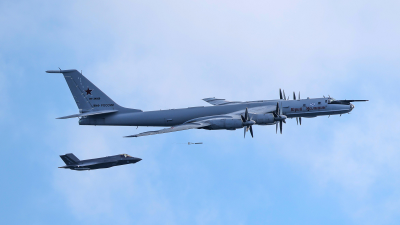
Constantvpn.com – The Ministry of Defence (MoD) confirmed that British fighter jets intercepted a Russian maritime patrol aircraft in the Norwegian Sea, following its “repeatedly approaching” a carrier strike group. The incident occurred as the Russian Bear-F plane flew at low altitude and came “unnecessarily close” to the HMS Prince of Wales, a key component of the UK’s naval force. According to the MoD, the aircraft is believed to have deployed 10 sonobuoys into the water during the encounter. These devices, which float on the surface and use sonar technology to track submarines and other vessels, are part of Russia’s efforts to monitor maritime activity.
The MoD criticized Moscow’s actions, calling them “unsafe and unprofessional.” This latest move by Russia adds to a series of provocative incidents in recent months, including the Royal Marines’ boarding of a Russian shadow fleet oil tanker in the English Channel. The operation, conducted weeks prior, highlighted growing tensions between the UK and Russia as the latter continues to assert its influence in strategic waters. Meanwhile, the UK’s military leadership has raised alarms about the escalating risks to national security, noting that threats from Russia are now more pervasive than at any point since the Cold War.
The UK’s Carrier Strike Group, currently stationed off Iceland under NATO command, is a critical element of this military presence. Comprising the HMS Prince of Wales, the Type 45 destroyer HMS Duncan, F-35 jets, and a mix of Merlin and Wildcat helicopters, the group is further supported by the RFA Tidespring, a replenishment tanker. This deployment marks a significant milestone, as NATO has not previously conducted air policing operations from a European-based aircraft carrier. The initiative underscores the alliance’s commitment to maintaining readiness in contested regions.
During the intercept, British forces attempted to establish communication with the Russian plane using international frequencies. However, the Bear-F did not respond, prompting two F-35 jets to launch from the Prince of Wales to escort the aircraft away from the strike group. The action was a clear demonstration of the UK’s ability to defend its assets in the North Atlantic. Defence Secretary Dan Jarvis visited the flagship HMS Prince of Wales over the weekend, emphasizing the importance of such missions in bolstering deterrence.
“We live in an increasingly dangerous and uncertain time, and it’s deployments like this, supported by allies and partners including Iceland, that improve our deterrence and defence as part of NATO,” Jarvis said during his visit. He added, “We should be clear-eyed about the fact that the threat from Russia exists in every domain, under the water, on the water, on the land, in the sky, in space and in cyberspace as well.” His remarks reflect the broader concerns within the military about the need for comprehensive readiness across all operational environments.
Chief of the Defence Staff Sir Richard Knighton echoed these sentiments in June, describing Russia’s activities as “probing, challenging, testing our defences” and warning of “raising the stakes and risks crossing a line.” These statements align with NATO’s broader assessments, which include warnings that the alliance could be ready to deploy military force by 2030. The potential for conflict in this timeframe has intensified as Russia expands its operations in multiple theatres.
Earlier this year, the UK unveiled its long-delayed plan to boost military investment, with outgoing Prime Minister Sir Keir Starmer proposing a £15bn increase in defence spending. Part of this funding would come from reallocating budgets in other government departments. However, the plan has faced criticism from both opposition MPs and military officials, who argue that the level of investment is insufficient to counter the current threat landscape. John Healey and Al Carns, two senior Labour figures, resigned from Starmer’s government in June over a prior version of the plan, contributing to the prime minister’s political challenges.
Shadow defence secretary James Cartlidge has reiterated the need for a robust funding strategy, stating that Russia’s actions demonstrate why Labour must clarify its approach to the “shambolic” Defence Investment Plan. “Only by prioritizing defence spending over a bigger welfare state can the government hope to deliver the funding our forces need,” he said. The controversy surrounding the plan highlights the debate over balancing national security with domestic economic priorities.
While the UK focuses on naval and air operations, it has also taken steps to address Russia’s use of chemical weapons. The government recently announced sanctions against seven individuals and two organizations linked to the development of the agents used in the 2018 Salisbury Novichok attack and the 2024 poisoning of opposition leader Alexei Navalny. These measures aim to hold Russia accountable for its actions in both military and civilian domains.
Badenoch, a prominent figure in the Conservative Party, has accused Starmer of leaving a “mess” for his successor, Sir Keir Starmer, as the military chief noted that this is the most dangerous period they have faced. The criticism underscores the pressure on the current administration to ensure a stable and secure transition in defence policy. As the UK and NATO prepare for potential conflicts, the need for consistent and adequate funding remains a central issue for military planners and policymakers alike.
Amid these developments, the UK’s strategic posture has been reinforced by its active role in NATO operations. The Carrier Strike Group’s presence in the Norwegian Sea serves as a reminder of the alliance’s ability to respond swiftly to threats. With the Royal Navy and RAF operating in tandem, the UK is positioning itself to counter Russian advances across all domains. The incident with the Bear-F plane is just one example of the ongoing competition for dominance in the North Atlantic, where NATO’s capabilities are being tested daily.
As the geopolitical climate grows more volatile, the MoD’s actions and statements reflect a broader strategy of deterrence. The combination of naval patrols, air escorts, and international sanctions signals
