Trump signs bill to end record shutdown over immigration enforcement
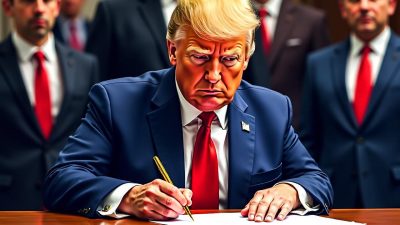
Trump Signs Legislation to Conclude 76-Day Government Closure Linked to Immigration Policies
Constantvpn.com – President Donald Trump finalized a legislative measure on Thursday that officially concluded a 76-day partial government shutdown, which had disrupted operations at U.S. airports and sparked widespread controversy. The House of Representatives had earlier passed the Senate-approved bill, which aims to restore funding for the Department of Homeland Security (DHS). This action marked the end of a prolonged political standoff that had left immigration enforcement agencies operating on dwindling resources for weeks.
Origins of the Funding Crisis
The shutdown began in late December when funding for the DHS expired due to disagreements between Republicans and Democrats over Trump’s immigration policies. The dispute centered on the allocation of resources for Immigration and Customs Enforcement (ICE) and Customs and Border Protection (CBP), two agencies under the DHS umbrella. Republicans advocated for full funding, while Democrats sought reforms to address concerns raised by two fatal shootings in Minnesota involving federal immigration officers.
Democrats had refused to approve funding for ICE and CBP, insisting on changes to their operations. The two agencies, which handle border security and immigration enforcement, were at the heart of the conflict. Republicans, however, maintained that the agencies required uninterrupted financial support to maintain effectiveness. This disagreement led to the government’s partial shutdown, halting non-essential services and creating logistical nightmares at airports across the country.
Impact on Airport Operations
The closure of DHS operations had severe consequences for air travel. Without consistent funding, security personnel were left unpaid for weeks, causing delays and confusion at checkpoints. Long lines became a common sight, with passengers waiting for hours to pass through security. The Transportation Security Administration (TSA), which manages airport screening, was particularly affected, as its agents were not receiving regular pay during the shutdown.
To mitigate the immediate crisis, Trump issued an executive order in March directing the payment of TSA agents. This move was framed as a temporary fix, ensuring essential workers could continue their duties without financial strain. However, it did not resolve the broader issue of funding for the entire DHS. The administration warned that emergency funds would expire later this week, leaving the department in a precarious position.
Political Maneuvering and the Senate Vote
The Senate had previously passed the funding bill, which was then sent to the House for final approval. For weeks, House Speaker Mike Johnson resisted bringing the measure to a vote, arguing that it failed to address the full scope of the immigration enforcement budget. His stance reflected a broader Republican strategy to prioritize funding for ICE and CBP, even as Democrats pushed for oversight and reforms.
Johnson’s reluctance to endorse the bill initially stalled progress, but the urgency of the situation eventually compelled the House to act. Once the bill cleared the House, it provided much-needed relief to DHS operations, allowing security officers to resume their roles with timely compensation. The agreement, while contentious, brought an end to the prolonged government halt that had affected millions of travelers.
“We were not going to have lines at TSA. Everybody will get their paychecks now,” Johnson stated after the vote, highlighting the relief the resolution brought to the department’s workforce.
Reactions from Opposing Parties
DHS Secretary Markwayne Mullin expressed satisfaction with the bill’s passage, calling the shutdown a “Democrat shutdown” that he claimed was unnecessary. In a social media post, he emphasized that the closure had been driven by partisan opposition to his immigration policies. Meanwhile, Democratic leaders criticized the decision, accusing Johnson of extending the shutdown for “no reason at all.”
“This is the same bill the Senate unanimously passed five weeks ago,” said Patty Murray, the top Democrat on government funding in the Senate, underscoring the frustration that the legislation had not been enacted sooner.
The resolution of the funding dispute also opened the door for further negotiations. While the immediate crisis was addressed, the debate over the long-term funding of ICE and CBP continued. Congressional Republicans now aim to secure up to $70 billion in additional funds for these agencies, ensuring they remain operational for the remainder of Trump’s presidency. Democrats, however, remain committed to imposing stricter limits on enforcement practices, citing the need for accountability and transparency.
Broader Implications for Homeland Security
Although the latest bill resolved the immediate funding shortfall, it did not fully satisfy either side. The agreement included $170 billion in funding for the DHS, which has been functioning on emergency money since February 14. This figure, approved as part of Trump’s tax cuts bill last year, is separate from the current legislative efforts, which focus on maintaining support for ICE and CBP.
The shutdown’s resolution also highlighted the role of procedural tactics in congressional decision-making. Last week, Republicans employed a fast-track voting process in the Senate to bypass Democratic opposition and approve the bill. This maneuver allowed the measure to pass without requiring a majority vote from all members, a strategy that has been used in previous fiscal battles. House Republican leaders, however, have yet to confirm a timeline for voting on the Senate’s proposal, signaling ongoing uncertainty in the legislative process.
Meanwhile, the White House budget office raised concerns about the sustainability of the current funding arrangement. It warned that operations not directly tied to Trump’s immigration crackdown, such as those in presidential security and airport screening, could face budget shortfalls by May. This forecast added pressure on lawmakers to reach a lasting agreement, as the temporary fixes provided by emergency funds were not a permanent solution.
Legacy of the Shutdown
The 76-day closure has left a lasting impact on the U.S. government’s ability to function efficiently. While the immediate disruptions at airports have been addressed, the episode exposed vulnerabilities in the legislative process and the potential consequences of partisan gridlock. For many, the shutdown underscored the need for compromise, as both parties grappled with conflicting priorities.
Immigration enforcement, which has been a cornerstone of Trump’s policy agenda, remains a focal point of the debate. The $170 billion approved last year has kept the DHS afloat, but the lack of full funding for ICE and CBP has raised questions about the agencies’ capacity to meet their objectives. As the legislative process moves forward, the balance between supporting enforcement efforts and implementing reforms will continue to shape the future of immigration policy in the United States.
In the aftermath of the shutdown, the political landscape has shifted, with both parties acknowledging the need to resolve lingering issues. While the recent bill ended the immediate crisis, it has also set the stage for renewed discussions on the role of immigration enforcement and the broader implications of funding decisions. The resolution of this standoff serves as a reminder of the challenges that arise when legislative priorities clash, and the importance of finding common ground to prevent future disruptions.
The ongoing debate over ICE and CBP funding reflects deeper ideological divides. Democrats argue that these agencies require oversight to prevent abuses, particularly after the Minnesota shootings. Republicans, on the other hand, contend that cutting funds would weaken the nation’s border security and immigration control. As the House prepares to vote on the Senate bill, the outcome will determine whether the temporary relief provided by the current agreement is sufficient to sustain the DHS’s operations throughout the remainder of the administration.
With the government back in full operation, attention now turns to the next phase of the funding negotiations. The Senate’s bill, which has already cleared one chamber, will be the subject of further scrutiny in the House. The success of this process will depend on the willingness of both parties to address each other’s concerns, ensuring that the DHS can function without interruption while also reflecting the priorities of the current administration.
