Trump says Iran deal ‘largely negotiated’ including reopening Strait of Hormuz
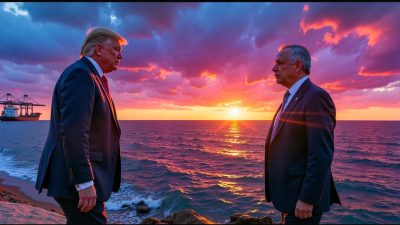
Trump Says Iran Deal Largely Negotiated, Hormuz Reopened
Constantvpn.com – President Donald Trump emphasized that a significant agreement with Iran is now “largely negotiated,” including the critical provision of reopening the Strait of Hormuz. In a recent speech, he outlined the progress made in diplomatic talks, stressing that the deal would address key issues like restoring oil flow through the strategic waterway. Though details remain unclear, Trump indicated the finalization of the agreement is imminent, signaling a shift from prior tensions to a more cooperative stance. This development comes as the U.S. and Iran continue to navigate a complex geopolitical landscape.
Iran’s Position and Remaining Disputes
Iranian officials acknowledged progress in negotiations but warned that major issues still need resolution. Foreign ministry representative Esmaeil Baqaei noted that while positions have converged, critical aspects of the deal remain under discussion. He criticized the U.S. for inconsistent statements, suggesting the agreement’s success hinges on reconciling these differences. The 14-point framework, which aims to formalize a Memorandum of Understanding, is being finalized, with Baqaei indicating a potential comprehensive deal within a month.
“An agreement has been largely negotiated, with the U.S. and Iran working closely to finalize terms,” Trump stated. The president also highlighted a productive meeting with Gulf allies, including Saudi Arabia and the UAE, underscoring a broader coalition effort to secure a lasting truce. These engagements reflect a strategic pivot toward diplomacy as a means to stabilize the region after months of conflict.
Strategic Talks and Coalition Efforts
Recent diplomatic activity has seen Trump engage multiple regional leaders to solidify support for the deal. A call with Israeli Prime Minister Benjamin Netanyahu was described as “very productive,” reinforcing the U.S.’s commitment to maintaining Middle Eastern stability. Meanwhile, Pakistan’s Prime Minister Shehbaz Sharif praised the negotiations, calling them “extraordinary” and suggesting the country may host future talks. This cross-border collaboration highlights the growing international interest in resolving the standoff.
The ongoing dialogue contrasts with earlier military actions, such as the U.S. strikes on Iran in February that disrupted the region’s fragile ceasefire. Trump had previously warned that the agreement was on “massive life support” after rejecting Iranian demands. However, the latest developments suggest a renewed focus on diplomacy, with the Strait of Hormuz emerging as a central topic in discussions. The waterway’s reopening is seen as crucial to easing economic pressures on Iran.
Economic Measures and Strategic Implications
As part of the deal, the U.S. has maintained a maritime blockade of Iranian ports since April, aiming to curb the country’s trade and financial inflows. Centcom reported that 100 vessels had been rerouted through the Strait of Hormuz, with four disabled and 26 humanitarian aid ships allowed to pass. “Our forces have been highly effective in limiting Iran’s access to global markets,” said Admiral Brad Cooper, who also highlighted the economic leverage gained through these measures.
Iran, however, has asserted its control over the Strait of Hormuz, requiring ships to coordinate with its newly formed Persian Gulf Strait Authority. The nation claims this step ensures security and compliance with its terms, though U.S. allies have resisted the move. Trump instructed vessels to disregard Iranian directives, emphasizing the strategic importance of maintaining open sea lanes. This disagreement underscores the delicate balance between economic sanctions and regional autonomy in the agreement’s final stages.
Progress and Future Steps
With the deal nearing completion, Trump reiterated that it would “absolutely” prevent Iran from acquiring nuclear weapons, a key priority for U.S. allies. The agreement’s success hinges on resolving remaining disputes, particularly over the Strait of Hormuz’s management. As talks continue, the administration is focused on ensuring the terms address both security and economic concerns. Trump’s decision to stay in Washington during the negotiations highlights the urgency of securing a final agreement.
The potential reopening of the Strait of Hormuz could mark a turning point in the ongoing conflict, restoring critical oil shipments and easing tensions. While the exact terms of the deal are still being refined, Trump’s emphasis on a “largely negotiated” agreement suggests a consensus is within reach. The outcome of these talks will likely shape the future of U.S.-Iran relations and the stability of the broader Middle East region.
