
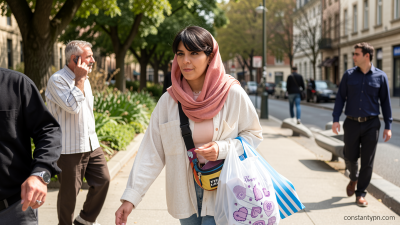
Trump Hopes Sanctions Will Topple Iran’s Regime
Constantvpn.com – Washington’s latest financial offensive against Tehran carries an explicit ambition: Trump hopes sanctions will topple the Islamic Republic’s leadership before the next election cycle. For ordinary Iranians, however, the policy translates into something far more immediate — soaring grocery prices, a collapsing rial, and shrinking household budgets that leave families choosing between rent and dinner.
Treasury Secretary Scott Bessent described the package as an “economic D-Day,” a sweeping measure targeting digital assets, technology imports, gold trades, aviation, and shipping. Any country that keeps trading with Tehran risks secondary isolation from Western financial rails. The framing signals that this round is meant to outstrip earlier, narrower penalties in both scope and enforcement consistency.
Tehran’s Calculus: Why the Regime Stays Calm
Economy Minister Ali Madanizadeh reacted within hours of the announcement with what observers read as studied indifference.
“The same old talk,” Madanizadeh said. “Iran is prepared for every scenario and has already drawn up plans to manage the new restrictions.”
That composure reflects a long-running assessment inside Tehran: the architecture of US secondary sanctions — penalties aimed at foreign banks and firms that transact with Iran — has existed for well over a decade. What shifts, if anything, is how aggressively Washington enforces them. Iranian strategists therefore watch not the announcement but the follow-through: whether Chinese banks, Turkish trucking lanes, and overland pipelines through Iraq, Pakistan, and the Caucasus actually slow down.
Beijing moved quickly to blunt the coercive signal. China’s foreign ministry declared it “firmly opposed” the new measures and called them illegal. If state-owned energy firms and major Chinese banks continue clearing trades with Tehran despite US threats, the secondary-sanction architecture loses most of its bite. Trump hopes sanctions will topple the regime, but the equation changes dramatically when the world’s largest oil buyer simply keeps buying.
The Kitchen-Table Cost and the Political Clock
Iran’s economy entered the current crisis already strained by high inflation and a rapidly depreciating currency. The deterioration accelerated after US and Israeli air strikes began on 28 February. Oil exports by sea have fallen below pre-war levels, and importing industrial equipment has grown costlier and slower. Land corridors through seven neighbouring states cannot replicate the volume and speed of seaborne crude shipments that fund the government’s budget.
Negin — not her real name — is a 34-year-old woman earning roughly $100 a month. She described the social cost of the squeeze:
“I don’t go to the cinema, theatre, or concerts. I don’t buy gifts for anyone. I don’t attend birthday parties. I can only buy meat with the government subsidy voucher; otherwise, I wouldn’t be able to afford it.”
Mona, a housewife with two children, said her husband — previously employed on merchant ships — has been out of work since the war began.
“We feel scared, especially after the sanctions that began yesterday. Ever since the war, my spouse has not gone back to work. We’re trying to manage our expenses as best we can, but we’ve definitely had to cut back on all of our extra spending and small luxuries.”
Iranian analysts argue that time may work against Washington. Further disruption in the Strait of Hormuz, prolonged air campaigns, or a Chinese decision to shield Iranian trade could all extend the regime’s survival window. The question is whether the political cost of sustained pressure in the United States — domestic budget fights, allied friction, and voter fatigue — outpaces the economic pain in Tehran. Trump hopes sanctions will topple the leadership within months; Tehran’s bet is that the squeeze, however severe, will exhaust American political will first.
Frequently Asked Questions
What exactly does the new sanctions package cover? The measures span digital-asset transactions, technology imports, gold trades, aviation, and shipping. Foreign nations that continue trading with Tehran face secondary penalties that can cut them off from Western financial networks.
Why does China’s response matter so much? China is Iran’s largest oil buyer and a key counterparty for its