Top Democrats press Maine senate candidate to drop out of race over sexual assault allegation
Top Democrats press Maine senate candidate to drop out of race over sexual assault allegation
Political Pressure Mounts on Graham Platner Amid New Allegations
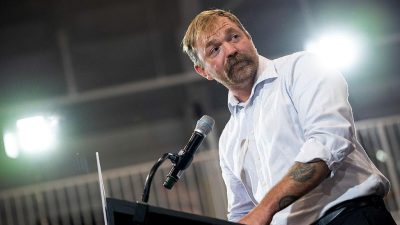
Constantvpn.com – The Democratic Party in Maine is facing mounting pressure as prominent members of the party demand that Graham Platner, the candidate running for the U.S. Senate, withdraw from the race. The call for his exit follows a sexual assault allegation made by a woman he had previously dated. The accusation, detailed in a series of interviews with Politico, has sparked significant debate within the party and raised concerns about Platner’s viability as a candidate ahead of the November elections.
A Controversial Claim and Immediate Reactions
A woman who had an on-and-off relationship with Platner over two years claims he entered her home in Maine uninvited and sexually assaulted her. According to her account, Platner was allegedly very intoxicated during the incident. She said she stopped all contact with him after confirming the encounter was non-consensual. This latest allegation adds to a growing list of controversies surrounding the candidate, including his decision to keep a tattoo resembling a Nazi symbol on his chest, which has drawn criticism from party members.
The Democratic Senatorial Campaign Committee (DSCC) has stated it will not fund the Maine Senate race if Platner remains on the ballot, emphasizing the gravity of the situation. Senators Elizabeth Warren, Cory Booker, and Elissa Slotkin have also joined the chorus of Democrats urging him to step aside. “The allegations reported today are incredibly disturbing,” said Senate Democratic Leader Chuck Schumer and Senator Kirsten Gillibrand in a joint statement. “Violence, abuse, and sexual assault are absolutely unacceptable.”
Platner’s Campaign and the Road Ahead
Platner, a former combat marine and oyster farmer, has faced a series of setbacks in his campaign. He denied the sexual assault allegation, calling it “categorically false” and asserting that he is “reflecting on the optimal course ahead” for the state and his political goals. His primary objective is to defeat Susan Collins, the incumbent Republican senator, who has held the seat for over three decades and is widely regarded as a formidable opponent.
Platner’s campaign has already postponed several events in response to the scandal, indicating the level of uncertainty it has created. The BBC has contacted the campaign for further comment, but as of now, Platner has not publicly announced any plans to leave the race. His continued presence in the race is crucial for Democrats, who are seeking to regain control of the Senate in the midterms. However, the pressure to withdraw is intensifying, with a deadline of 13 July to remove his name from the ballot.
Context and Broader Implications
Maine has historically been a competitive state in presidential elections, with no Republican winning since 1988. This makes the Senate race particularly significant for Democrats, who view it as a key battleground in their efforts to flip the Senate. The outcome of this race could influence the broader political landscape, especially as the midterms approach. If Platner is unable to secure the nomination, the party may be forced to replace him with another candidate, potentially altering the dynamics of the election.
The allegations against Platner come amid a broader trend of political scrutiny on male candidates, particularly in the wake of the New York Times’ recent report highlighting his past behavior. The report, published last month, detailed accounts from three former girlfriends who described Platner as erratic and prone to angry outbursts. While the Times’ story did not include specific sexual assault claims, it fueled discussions about his character and leadership qualities. Jenny Racicot, one of the women interviewed, said she initially hesitated to speak publicly about the incident but felt compelled to do so after the Times’ report generated controversy.
Public Statements and Endorsement Withdrawals
Platner’s denial of the allegations has not quelled the criticism. Donna Brazile, a political strategist and former head of the Democratic National Committee, tweeted: “It’s time for Mr. Platner to step aside and be replaced by July 13th. Platner needs time to heal, focus on his family and well-being. Enough. Enough.”
“Enough. Enough.”
Two lawmakers who had previously endorsed Platner have now rescinded their support. Senator Ruben Gallego called the allegations “troubling and deeply serious,” while Senator Martin Heinrich described the situation as “appalling.” Congressman Ro Khanna, who had appeared at rallies with Platner, also withdrew his endorsement, stating the report is “serious and credible.” His decision underscores the growing skepticism within the party about Platner’s ability to represent its values.
The Maine Democratic Party has echoed these calls, urging Platner to “immediately withdraw” from the race. The party’s leadership believes that his continued candidacy could undermine its chances of securing a Senate majority. With the deadline approaching, the pressure on Platner to make a decision is mounting. The party is preparing to name a replacement if he does not step down, which could be a pivotal moment in the race.
Historical and Cultural Significance of the Race
Maine’s Senate race is not just a local contest—it carries national implications. Susan Collins, the Republican incumbent, has been a consistent figure in the U.S. Senate since the 1980s, known for her centrist policies and political resilience. Her ability to retain the seat despite ongoing challenges has made her a symbol of Republican dominance in the state. For Democrats, defeating Collins would mark a significant victory in their quest to shift the balance of power.
The state’s demographic and political landscape adds to the stakes. While Maine is often considered a bellwether for national trends, its recent elections have shown a split between urban and rural voters. Platner, an outsider in the political arena, has positioned himself as a fresh face for the party, appealing to younger and progressive voters. However, the sexual assault allegation has forced the party to reconsider his image and whether his candidacy aligns with its broader messaging.
