Three die in Mexico City World Cup celebrations
Three Die in Mexico City World Cup Celebrations
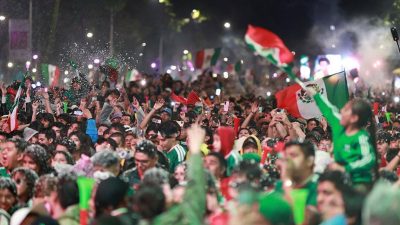
Constantvpn.com – Mexico City’s government reported that over a million residents flooded the streets following the nation’s historic World Cup victory over Ecuador in the knockout stages. The celebrations, which erupted in response to the 2-0 win, turned into a somber event after three people lost their lives due to suffocation. Among the casualties was a 19-year-old woman, while a 48-year-old woman and a 44-year-old man also succumbed to the conditions during the chaotic festivities on Tuesday.
Victims Identified Amid Crowd Surge
Health officials confirmed the deaths of the three individuals, who were identified by their families, after emergency responders provided critical care. The victims were found unconscious at various points along Paseo de la Reforma, a central thoroughfare in the city, before being taken to medical facilities. “After performing first aid and CPR techniques on the patients, they were transferred to a hospital for specialised medical care,” said the city’s health authority in a statement released on Wednesday.
“Always celebrate with responsibility, care, and empathy,” urged Mexico City Mayor Clara Brugada in a social media post following the announcement of the fatalities. The mayor’s message came as a reminder of the potential dangers that can arise from large, enthusiastic crowds, even during joyous occasions.
Celebrations Sparked by Historic Win
The victory marked Mexico’s first World Cup knockout triumph since 1986, a milestone that ignited widespread euphoria across the capital. Fans gathered in the vicinity of the Angel of Independence monument in downtown Mexico City, where fireworks and cheers echoed long after the match concluded. The Estadio Azteca, home to the national team, became a focal point of the celebrations, with jubilant scenes playing out in the stands and on the streets.
Brugada had warned fans beforehand to avoid the Angel of Independence area due to the massive crowds already present. Despite the warnings, the surge of supporters overwhelmed the space, leading to the tragic incidents. The mayor’s office expressed “most sincere condolences” to the families of the victims, pledging ongoing support as the city grappled with the aftermath.
Population and Urban Challenges
Mexico City, home to over 20 million people in its metropolitan area, is one of the most densely populated regions in the world. The high population density, combined with the sudden influx of celebrants, created a perfect storm for the accidents. Health authorities highlighted the challenges of managing such large gatherings, emphasizing the need for improved crowd control measures in future events.
The city’s infrastructure, including public transport and emergency services, was tested as thousands of fans navigated the streets. While the celebrations were a testament to national pride, the incidents underscored the risks of overexcitement in crowded environments. Officials are now reviewing protocols to prevent similar tragedies in the future.
Path to the Round of 16
Mexico’s triumph sent them into the World Cup’s round of 16, where they could face England if Thomas Tuchel’s team advances. The next match, against DR Congo, is set to take place on Wednesday, adding to the anticipation in the city. For many, the World Cup represents not just a sporting event but a cultural phenomenon that unites millions.
As the country prepares for the next phase of the tournament, the focus remains on balancing celebration with safety. The mayor’s call for responsible behavior reflects a broader awareness of the need for vigilance in public spaces. Fans, however, are still reveling in the excitement, with chants of “Bring on Harry Kane! Bring on Jude Bellingham!” echoing through the streets as they look forward to the next matches.
Cultural Impact and Future Implications
The World Cup victory has reignited a sense of national identity and pride in Mexico, with the Angel of Independence monument becoming a symbol of collective joy. However, the tragedies that followed serve as a poignant reminder of the delicate balance between celebration and chaos. As the city continues to recover, questions arise about how to ensure such large events are both memorable and safe.
With over 20 million residents, Mexico City’s capacity to handle crowds is a key factor in the success of future sporting events. The health authority’s response to the suffocation cases highlights the importance of immediate medical intervention in emergencies. While the exact causes of the incidents are under investigation, the consensus is that the combination of overcrowding and the intensity of the celebrations contributed to the fatalities.
As the World Cup progresses, the focus will shift to the upcoming matches, but the memory of Tuesday’s events will linger. The mayor’s plea for mindful celebrations resonates with many, especially in a city where sports are deeply intertwined with daily life. The incident has sparked discussions about the role of urban planning and crowd management in hosting major international events, with lessons learned from this tragedy shaping future preparations.
Global Significance of the Victory
For Mexico, the World Cup victory is more than a sporting achievement—it is a moment that captures the nation’s spirit and resilience. The win over Ecuador, a team often viewed as a strong contender, has been celebrated as a significant step toward advancing in the tournament. The celebrations, though vibrant, have now taken on a dual meaning: a triumph of sport and a somber reflection on the human cost of such moments.
As the city moves forward, the victims’ families are at the center of the mourning process. Their loss has prompted a renewed commitment to public safety, with officials vowing to implement stricter measures for future matches. The World Cup, while a source of immense joy, also serves as a platform to address the challenges of managing large, enthusiastic crowds in one of the world’s most populous cities.
With the path to the round of 16 now clear, Mexico’s fans remain hopeful and energized. Yet, the tragedies that unfolded during the celebrations will undoubtedly influence the way the country approaches future matches. The balance between exuberance and caution has never been more critical, as the World Cup continues to captivate the hearts of millions across the globe.
