Steep fall in Hormuz ship crossings after new US-Iran strikes
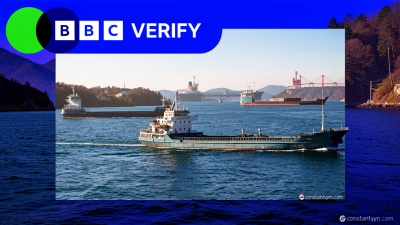
Maritime Traffic Plummets Through Hormuz Following Renewed US-Iran Hostilities
Sharp Decline in Ship Crossings After Tanker Attacks
Constantvpn.com – Commercial vessel movements through the strategically vital Strait of Hormuz have experienced a dramatic contraction following escalating military exchanges between Washington and Tehran. The latest wave of retaliatory strikes, which occurred after three tankers were targeted earlier this week, has significantly disrupted normal shipping patterns in the critical Gulf waterway. According to maritime intelligence provider Kpler, only twenty-three tankers and cargo vessels managed to navigate the passage on Wednesday, representing a substantial decrease from the forty-seven ships that transited during the previous week.
The three vessels that sustained damage this week were utilizing a route recommended by American authorities through Omani territorial waters. This represents a point of contention, as Iranian officials have consistently maintained that the sole “safe” passage option runs through their own waters. For many decades, commercial vessels have enjoyed unrestricted transit through this narrow channel, which serves as a crucial conduit for more than twenty percent of global oil and gas production alongside essential fertilizer shipments and other critical commodities.
Historical Context and Recent Disruptions
Before the current conflict erupted, the Joint Maritime Information Center (JMIC)—a multinational organization that includes American representation—recorded an average of one hundred thirty-eight vessels crossing the strait daily. Following American and Israeli military operations against Iran that commenced on February 28, this figure dropped precipitously to merely a handful of ships per day. During this period, Iran effectively restricted navigation by attacking vessels attempting to cross while simultaneously deploying naval mines. The United States responded by implementing a comprehensive blockade affecting all maritime traffic traveling to and from Iranian ports.
A peace agreement concluded on June 17 incorporated provisions designed to restore normal operations through the strait. Under this arrangement, Washington committed to removing its naval blockade and reducing restrictions on Iranian petroleum exports. Following this diplomatic breakthrough, overall shipping volumes initially recovered, reaching a high of seventy-two vessels on June 24.
Competing Route Systems and Ongoing Tensions
Throughout its negotiations with American representatives, Iran has maintained that it possesses the authority to regulate navigation through the strait and impose transit fees on commercial vessels. American officials and their Gulf allies, along with European and Asian governments, have opposed these measures, insisting that passage should revert to the free and open system that existed prior to hostilities.
Following the peace agreement, Iranian authorities established a designated lane system through the northern portion of the waterway near Iranian coastline, declaring that all maritime traffic must utilize this corridor. Iran’s supreme military command, Khatam al-Anbiya Central Headquarters, reaffirmed this position after this week’s attacks, stating: “The only safe route for the passage of commercial ships and oil tankers in the strait is the route determined by the Islamic Republic of Iran.”
Conversely, the JMIC recommended that vessels adopt an alternative path through Omani waters in the southern section of the strait. Kpler’s records indicate that usage of this Omani corridor peaked at twenty-eight vessels on June 25, surpassing traffic through the Iranian route. However, on June 25 and 27, two additional ships operating in Omani waters were struck, prompting Iran to warn all maritime traffic to exclusively use its approved corridors.
Latest Escalation and Market Impact
President Donald Trump characterized Iran’s actions as a “foolish violation” of the truce agreement, leading American military forces to conduct strikes against Iranian targets. In response, Iran accused the United States of breaching their interim arrangement and announced that it had attacked facilities connected to American military presence in the region.
The three vessels damaged this week included a Qatar-owned liquefied natural gas tanker, a Saudi-owned crude oil carrier, and a Liberia-flagged crude tanker. All three were navigating near the Omani route when they came under attack. Following these incidents, Kpler reported that vessel traffic on the Omani route effectively ceased, with zero ships using the passage on Wednesday compared to just three the previous day. The average had been approximately ten vessels daily in the week preceding the most recent attacks.
Martin Kelly, a senior intelligence analyst at EOS Risk Group, offered his assessment of the situation: “There will now be a bit of back and forth between the US and Iran before they make friends again, shipping will peak and trough cautiously until Iran attacks another ship and the cycle starts again.”
The memorandum of understanding signed between Iran and the United States on June 17 obligated Tehran to employ “its best efforts for the safe passage of commercial vessels with no charge for 60 days.” Additionally, the agreement specified that Iran would “conduct dialogue with the Sultanate of Oman to define the future administration and maritime services in the Strait of Hormuz.” Iranian officials have interpreted these provisions as granting them substantial control over strait operations.
