Saudis must recognise Israel for nuclear deal, says Trump
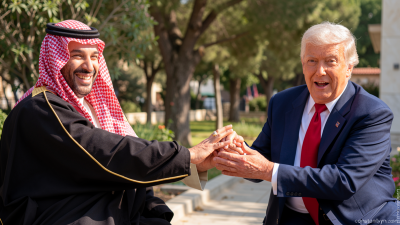
Trump Links Saudi Nuclear Agreement to Israeli Recognition
Constantvpn.com – President Donald Trump has announced that Saudi Arabia’s participation in a new civil nuclear agreement with the United States hinges on the Gulf kingdom’s formal recognition of Israel. The president shared this condition through a statement on his Truth Social platform, emphasizing that the nuclear partnership would only proceed if Riyadh joins the Abraham Accords—a diplomatic framework he helped broker that has already brought five nations into peaceful relations with Israel.
Nuclear Deal Conditions and Enrichment Restrictions
According to Trump’s announcement, the civil nuclear arrangement will permit Saudi Arabia to develop nuclear energy for peaceful purposes while explicitly prohibiting the enrichment of nuclear materials. The president characterized the agreement as being “totally subject to Saudi Arabia joining the very respected and successful Abraham Accords,” signaling that diplomatic normalization with Israel is a prerequisite for the nuclear cooperation.
“The Civil Nuclear Deal (There will be no enrichment of material!)… which pertains only to non-military use… will be approved, but is totally subject to Saudi Arabia joining the very respected and successful Abraham Accords,” Trump stated in his Truth Social post.
This clarification addresses earlier speculation that the deal might allow Saudi Arabia to enrich uranium—a process that could serve dual purposes as both fuel for power generation and a potential pathway to nuclear weapons development. The president’s remarks appear to close that possibility, at least for the duration of the current agreement.
The Abraham Accords and Regional Diplomacy
The Abraham Accords represent a significant diplomatic achievement in Middle Eastern history. During Trump’s initial presidency, the United Arab Emirates and Bahrain became the first Arab nations in decades to formally recognize Israel, establishing comprehensive diplomatic relations. Following this breakthrough, Sudan, Morocco, and Kazakhstan also signed onto the accords, bringing the total number of participating countries to five.
Saudi Arabia has maintained a consistent position that it will not recognize Israel until a Palestinian state is established. This condition has been a longstanding obstacle to normalization, though the president’s latest statement suggests he may be willing to work around this requirement through the nuclear deal framework.
Expert Reactions and Congressional Review
The announcement has drawn mixed responses from analysts and policymakers. Rosemary Kelanic, director of the Middle East program at the Defense Priorities think tank, expressed surprise at the potential for Saudi uranium enrichment, noting that the United States has never before assisted another nation in developing enrichment capabilities on its own territory. She explained that allowing countries to produce their own nuclear fuel significantly increases proliferation risks.
Meanwhile, Israeli Prime Minister Benjamin Netanyahu’s office welcomed the development through a statement on X, describing Saudi participation in the Abraham Accords as “an historic leap forward for peace in the Middle East.” The statement focused on the diplomatic achievement rather than specifically addressing the nuclear component of the agreement.
The deal will now undergo congressional review, with lawmakers from both major parties expected to voice opposition. However, with Republicans controlling both chambers of Congress, opponents may lack the votes necessary to prevent the agreement’s ratification.
Nuclear Context and Regional Stability
The nuclear dimension of this agreement comes amid heightened tensions between the United States, Israel, and Iran. Iran has consistently denied Western allegations that it seeks to develop nuclear weapons, while the conflict has intensified with recent Houthi attacks on Saudi oil tankers and American military strikes against Iranian targets.
Crown Prince Mohammed bin Salman previously told CBS News in 2018 that Saudi Arabia would not pursue nuclear weapons but would “follow suit as soon as possible” if Iran successfully developed a nuclear bomb. This statement underscores the regional security concerns that have driven Saudi Arabia’s interest in both nuclear energy and diplomatic normalization with Israel.
Israel maintains its own ambiguous nuclear posture, widely believed to possess nuclear weapons while neither confirming nor denying this capability. The new agreement with Saudi Arabia could reshape regional dynamics, particularly if it facilitates broader diplomatic engagement and reduces the likelihood of nuclear proliferation in an already volatile area.
The White House has been contacted by the BBC for additional comment regarding whether the Abraham Accords condition appears in the formal text of the nuclear deal or represents a separate diplomatic understanding. The complete agreement has not yet been publicly released, leaving some details open to interpretation as negotiations continue.
