Russia’s fuel crisis intensifies as Ukraine steps up strikes on occupied territories
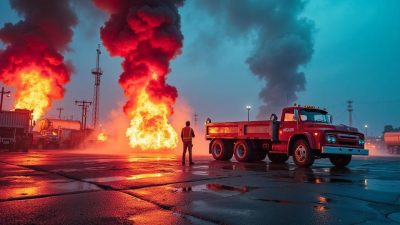
Russia’s Fuel Crisis Intensifies Amid Ukrainian Strikes
Constantvpn.com – Russia’s fuel crisis intensifies as Ukraine escalates its attacks on critical supply routes and infrastructure. The ongoing conflict has transformed the country’s energy distribution system into a vulnerable target, with Ukrainian drones and missiles striking key fuel depots and transportation corridors. These assaults have severely disrupted Russia’s ability to deliver fuel to occupied regions like Crimea, exacerbating shortages and creating a domino effect on daily life and military operations. Analysts suggest the crisis is intensifying not just due to the scale of attacks, but also the strategic focus on cutting off essential energy links.
Logistical Disruptions in Crimea
Crimea, a focal point of the fuel crisis, now relies heavily on a narrow network of supply lines. The R-280 motorway, a vital artery connecting the occupied peninsula to mainland Russia, has been repeatedly targeted by Ukrainian strikes. A major bridge in Chohnar, damaged on 7 June, has isolated the region further, forcing residents to navigate long queues at petrol stations and ration fuel. With prepaid vouchers limiting purchases to 20 litres per person, the situation has become increasingly dire for both locals and tourists.
“The R-280 motorway is the lifeline of Russian occupation in southern territories,” noted Clément Molin, a researcher at the French think tank Atum Mundi. “Its destruction means fuel can’t reach Crimea efficiently, impacting everything from daily commutes to military readiness.”
Strategic Impact on Energy and Defense
The strikes have not only affected civilian life but also crippled Russia’s military logistics. According to President Volodymyr Zelensky, Ukrainian attacks have disabled nearly 40% of the country’s primary refining capacity, compounding the fuel shortage. This has forced the military to rely on the same vulnerable routes used for civilian transport, creating a dual challenge. “The logistics crisis affects both military and civilian needs equally,” explained Rybar, a pro-Kremlin military analyst. “Every strike on a supply line weakens our operational capacity in the south.”
“The Kerch Bridge, once a reliable link, is now a strategic liability,” said Craig Kennedy, an expert in Russia’s oil industry. “Ukrainian attacks have made it risky for heavy fuel shipments, leaving the region exposed to further disruptions.”
As the conflict continues, Ukraine’s strategy has shifted to target smaller distribution networks rather than just large refineries. This approach ensures prolonged fuel shortages in occupied territories, weakening both civilian resilience and military logistics. The Rostov-to-Crimea corridor, a major transport hub, is now under constant threat, with each strike disrupting the flow of energy resources and forcing Moscow to scramble for alternative solutions.
Russia’s fuel crisis intensifies as the war evolves, with Ukrainian strikes demonstrating precision in disrupting supply chains. The southern city of Rostov, a key distribution center, has seen its ability to transport fuel to Crimea diminish significantly. With no clear end in sight, the crisis underscores the broader vulnerability of Russia’s energy infrastructure. Analysts warn that the situation could worsen if Ukrainian forces continue to target critical logistics nodes, further straining the occupied regions.
Amid the intensifying fuel crisis, the Russian government has implemented measures to mitigate the impact, such as a special hotline for stranded citizens. However, these efforts have done little to curb the soaring prices of petrol and diesel. Sergei Aksyonov, the Kremlin-appointed head of Crimea, acknowledged the severity of the situation, stating that the current fuel supply is insufficient to meet demand. The combination of military and civilian fuel shortages highlights the interconnectedness of the crisis, as every strike on infrastructure has cascading effects across the occupied territories.
