Rare identical quadruplets born in Australia
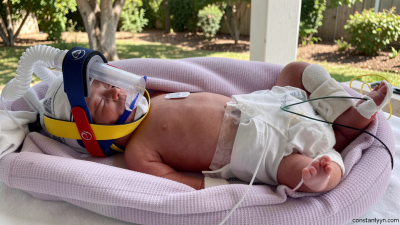
Extraordinary Birth of Identical Quadruplets Captures Australian Hearts
Constantvpn.com – In a remarkable medical milestone, an Australian mother has welcomed four identical babies into the world through natural conception, marking one of the rarest occurrences in modern obstetrics. Jenitar Na’amoana, a 34-year-old woman from Queensland, delivered her quadruplets via caesarean section on July 14 at the Royal Brisbane and Women’s Hospital. The delivery occurred at 28 weeks and four days of gestation, a timeframe that medical professionals celebrated as a significant achievement given the high-risk nature of such a pregnancy.
A Medical Marvel: Understanding the Rarity
The four girls are classified as monozygotic quadruplets, meaning they originated from a single fertilized egg that divided into four separate embryos during early development. This phenomenon is extraordinarily uncommon, with Dr. Alexa Bendall, the maternal foetal medicine specialist who oversaw Na’amoana’s pregnancy from its beginning, estimating that identical quadruplets occur in approximately one out of every 15 million pregnancies.
What makes this case even more exceptional is that all four babies shared the same placenta, a circumstance that Dr. Bendall described as “unheard of” in medical literature. Naturally conceived quadruplets in general are estimated to occur at a rate of one in 700,000 births, making this event truly extraordinary on multiple levels.
The Journey Through High-Risk Pregnancy
Na’amoana and her husband Jortham, who already had four children ranging from one to 10 years old, were taken by “immense surprise” when doctors informed them they were expecting quadruplets. The medical team at the Royal Brisbane and Women’s Hospital classified the pregnancy as “extremely high risk” and took proactive measures to ensure the best possible outcome.
At 25 weeks of pregnancy, the hospital admitted Na’amoana as an inpatient so she could receive continuous monitoring. Dr. Bendall explained the cautious optimism that guided their approach: “We always said that if we could get her to 28 weeks, we would be doing well.” The successful delivery at 28 weeks and four days exceeded even these hopeful expectations.
“So the fact that we’ve got four beautiful, healthy babies born at 28 weeks and four days is incredible and we’re very happy to be a part of it,” Dr. Bendall said.
Names and New Beginnings
The newborn girls have been given the names Emily, Harriet, Catherine, and Alexa. The latter name serves as a touching tribute to Dr. Alexa Bendall, who described the gesture as “a beautiful tribute” to her role in the family’s journey. All four babies will remain in the hospital’s neonatal intensive care unit until they reach full term, and according to Dr. Bendall, they are “currently doing extremely well.”
Na’amoana’s resilience throughout the pregnancy has not gone unnoticed by her medical team. “Jenitar has taken everything in her stride from day one… she has somehow dodged every complication and risk for both herself and her babies,” Dr. Bendall noted with admiration.
Family Challenges and Community Support
The arrival of four babies simultaneously has brought both joy and practical challenges for the family. In response, Na’amoana recently launched an online fundraising campaign aimed at purchasing a van with at least 10 seats to accommodate the growing family. The campaign has already attracted over A$37,000 (approximately £19,261) in donations from supporters.
“Our four precious miracles have arrived safely, and while our hearts are overflowing with gratitude, the reality of caring for four newborns at once has brought challenges we never could have imagined,” Na’amoana wrote in her fundraising message.
The community’s response reflects the widespread fascination with this rare medical event, demonstrating how extraordinary births continue to unite people in celebration of new life and medical achievement.
