
Flash Floods Devastate Nepal-Tibet Border Region, Killing Over 160
Constantvpn.com – Thousands of tonnes of saturated earth and debris cascaded down mountain valleys along the Nepal-Tibet frontier when sudden, violent flooding struck the area, burying villages and trapping residents in thick layers of wet sediment. The disaster has claimed the lives of more than 160 individuals, while hundreds remain unaccounted for as search-and-recovery operations continue under extremely hazardous conditions.
A Sudden Catastrophe in a Remote Corridor
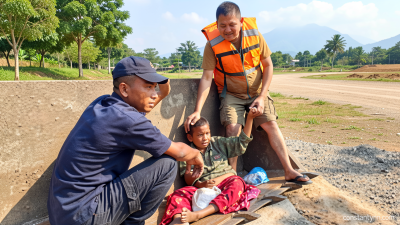
The Nepal-Tibet border stretches across some of the most rugged and sparsely populated terrain on the planet. Villages in this corridor sit in narrow valleys where rivers and seasonal streams can swell within minutes during heavy monsoon rainfall. When the water table saturates the surrounding slopes, the result can be a wall of mud, boulders, and timber that moves faster than any resident can run. Footage captured in the northern reaches of the affected zone shows survivors and rescuers wading through knee-deep slurry, hauling trapped individuals free of the clinging sediment before the next surge arrives.
Nepal’s geography makes it perpetually vulnerable to such events. The country sits at the junction of the Himalayan range and the Indian subcontinent, meaning that warm, moisture-laden air from the south collides with cold, high-altitude terrain. The resulting orographic rainfall can dump several hundred millimetres of water in a single afternoon, overwhelming drainage channels that were never engineered to handle such volumes. Flash flooding of this kind is not an anomaly here; it recurs every monsoon season, though the scale of this particular event has exceeded recent memory for the communities caught in its path.
Rescue Efforts Hampered by Terrain and Distance
The Nepalese Army and the Armed Police Force have deployed personnel and equipment to the affected valleys, working around the clock to dig out survivors and transport the injured to field hospitals. Military helicopters have been used where weather permits, but the dense cloud cover and low visibility typical of post-flood conditions limit flight windows considerably. Ground teams face an additional complication: a significant portion of the trapped population lies on the Tibetan side of the border, where access roads have been severed and coordination with Chinese authorities adds logistical complexity to an already treacherous operation.
Many rescue workers report that the very mud that buried the victims now impedes their own movement. Standard vehicles sink within metres of a village road, forcing teams to proceed on foot or by light all-terrain vehicles where they exist at all. Communication lines, already fragile in high-altitude valleys, have been knocked out in several sectors, meaning that some hamlets have been entirely cut off from outside contact for days.
Why the Toll Is So High
Several factors compound the lethality of border-region flash floods. First, the affected settlements are small, scattered, and often lack early-warning infrastructure. A siren or broadcast alert that might reach a city resident within seconds simply does not exist in a valley of two hundred households. Second, the speed at which the debris flow arrives—sometimes less than ten minutes from first rain to total inundation—leaves no meaningful evacuation window. Third, the depth of the deposited mud means that even survivors who escape the initial surge can become immobilised within minutes, sinking to their waists or hips as the sediment consolidates around them.
The figure of more than 160 confirmed dead is expected to rise. With hundreds still listed as missing and search operations only partially underway, local officials have cautioned that the final toll will likely be substantially higher once every accessible section of the affected valleys has been combed through. Families in neighbouring districts are gathering at temporary shelters, waiting for word that has not yet come.
Broader Implications and Ongoing Needs
Events of this magnitude place immediate pressure on Nepal’s already stretched disaster-response capacity. The Army and Armed Police Force, which routinely handle landslides, earthquakes, and river flooding across the country, must now concentrate resources on a single, geographically isolated theatre while other districts remain on monsoon watch. International aid agencies have signalled readiness to assist with medical evacuation, temporary shelter, and water sanitation once access routes stabilise.
For the communities that survive, the coming weeks will centre on rebuilding homes, restoring crop land buried under metres of silt, and re-establishing the thin road and trail networks that connect these valleys to markets and hospitals. The psychological aftermath—grief, displacement, and the knowledge that the next monsoon will test the same slopes again—will shape daily life long after the mud has dried.
As of the latest available information, rescue operations remain active on both sides of the border, and authorities have urged residents in downstream valleys to maintain heightened vigilance until the swollen waterways recede to their seasonal baselines.
Related Reading
Frequently Asked Questions
What is People pulled from mud in Nepal?
People pulled from mud in Nepal is the main topic of this guide. The article explains the context, practical details, and next steps readers should understand.
Why does People pulled from mud in Nepal matter?
People pulled from mud in Nepal matters because readers are looking for a useful answer, not just a short summary. Good content should match search intent and help them decide what to do next.