
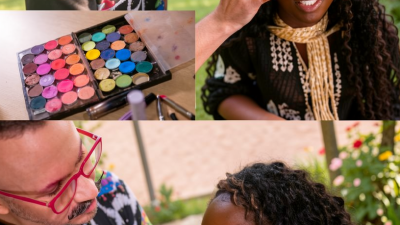
Festival Glam, Minus the Hazards: A Practical Guide to Surviving Reading and Leeds with Your Face Intact
Constantvpn.com – Two of Britain’s most iconic music festivals kick off this weekend, and millions of fans are already packing neon eyeshadows, holographic highlighters, and liquid lip stains into their bags. The aesthetic for 2026 leans hard into graphic, high-impact colour — think blurred juicy lips, vampy dark reds, and fairycore sparkles plastered across cheekbones and hair partings. But beneath the glitter, a quieter story is unfolding: a growing number of budget beauty products flooding online marketplaces carry ingredients that dermatologists and trading-standards bodies consider outright dangerous for skin contact.
The Chartered Trading Standards Institute has issued a pointed warning that third-party sellers on platforms including TikTok Shop are listing items containing toxic chemicals under cosmetic branding. For festival-goers who buy a £4 glow-in-the-dark eyeliner at midnight the night before a headline set, that warning lands with particular force. The advice is simple: scrutinise labels, question unfamiliar sellers, and treat anything marketed as a “non-cosmetic paint” with suspicion, even when the packaging winks at you with a rainbow gradient.
The White-Pencil Trick for Maximum Colour Impact
Dominic Skinner, make-up artist and judge on the BBC’s Glow Up, walked through a step-by-step demonstration at the broadcaster’s London offices, explaining how to build a look that survives twelve hours of dancing, rain, and questionable hydration. His first rule for making bold eyeshadow hues genuinely “pop” is counterintuitive: lay down a white eye pencil directly on the eyelid skin before pressing any pigment on top.
“It will make bold colours more intense, and last all night.”
The white base acts as a reflective underlayer, amplifying saturation and anchoring the product so it resists creasing through repeated blinking. For festival conditions — where sweat, UV, and physical contact with strangers are guaranteed — that extra adhesion layer is the difference between a look that holds through the headliner and one that migrates into your tear ducts by the second encore.
Reading the Label: What to Avoid on Your Shopping List
Skinner urges fans to steer clear of cheap, unbranded sellers they have never encountered before. He points out that certain UV-reflective, glow-in-the-dark, and neon products are manufactured by legitimate cosmetics companies but quietly re-labelled as “non-cosmetic paint” to sidestep regulatory scrutiny. If a product’s packaging states it is “not for cosmetic use,” do not apply it to your face regardless of how skin-friendly the marketing copy sounds.
Specific colourants to watch for on ingredient lists include Solvent Yellow 172, CI 45161 (Basic Red 1:1), and CI 45174 (Basic Violet 11:1). These have been flagged as banned or restricted in cosmetic formulations because they can trigger contact dermatitis, persistent rashes, and allergic reactions. A quick check of the INCI list before checkout costs nothing and can spare you a week of stinging, peeling eyelids.
Lips: Texture Over Tone, and Why You Shouldn’t Share Your Tube
Vogue has declared that the defining lip trend for 2026 centres on juicy, blurred applications that play with texture rather than a single flat colour — essentially a “your-lips-but-better” effect built from layered stains and glosses. InStyle magazine, meanwhile, champions a dramatic departure from the pastel pinks and peaches that dominated summer palettes, recommending deep, vampy dark reds for those wanting a sharper editorial edge.
Skinner’s practical tip for endurance: reach for a liquid lip product rather than a balm or cream. “You can do some drinking, you can do some snogging,” he notes, meaning the formula will not migrate into your glass rim or vanish after a single kiss. He also advises applying lip liner last, after the colour is in place, because drawing the line first tends to expose any wobble in your handiwork. Colour first, liner later.
One non-negotiable hygiene rule applies to every look: never share your balm, gloss, or lipstick. Cross-contamination spreads cold sores and other mucosal infections with alarming efficiency, which is precisely why professional make-up artists sanitise every applicator between clients. A shared tube at a festival bar is essentially a communal petri dish.
Sparkles, Gems, and the Fairycore Moment
The fairycore aesthetic — childlike, playful, crystal-studded — is firmly in for festival 2026. Skinner’s guidance is emphatic: subtlety is dead. “The ‘no make-up look’ is gone. Clean girl is out!” He encourages fans to lean into the whimsy with playful colour, face gems, and glitter placed along hair partings or across the shoulders for maximum visibility from a distance.
“Personally, I say use gems as they’re bigger and more impactful, plus you can peel them off at the end of night and reuse them in the morning.”
Dr Emma Wedgeworth of the British Skin Foundation adds a critical caveat: keep glitter and gems well away from the eyes to prevent corneal scratches, and never substitute craft glitter for cosmetic-grade product. Opt for biodegradable, eco-friendly formulations that are gentler on skin and kinder to the environment. A safe adhesive such as lash glue will hold pieces in place through hours of movement without the irritation associated with generic craft glues.
Sun Protection: The Unsung Base Layer
Before any pigment touches skin, Wedgeworth insists on a high-protection sunscreen — minimum SPF 30 — applied as a primer and allowed to soak in fully. Skinner recommends matte or sweat-proof SPF formulations specifically, because they reduce the slickness that causes foundation and eyeshadow to slide. Reapplication is essential: at least every two hours, with particular attention to the hairline, scalp partings, and any exposed skin that make-up does not cover.
Sunscreen sprays can be layered over completed make-up, but they are difficult to apply thickly enough for genuine protection. Wedgeworth’s pragmatic advice: take shade breaks, bring a wide-brimmed hat, and treat UV exposure as an ongoing management task rather than a one-time morning step. Sunburn is not on trend.
Hair, Accessories, and the Final Patch Test
Who, What, Wear frames the styling conversation around accessories — scarves, crochet beanie caps, eye-catching hair clips, charms, and cuffs — that add texture without requiring a salon appointment. For longer hair, InStyle suggests Mermaid waves or thin Baby Braids as festival-appropriate styles that hold through wind and sweat.
If you are planning a temporary colour change with a spray or dye, run a patch test on your inner forearm at least twenty-four hours beforehand. A small area of itching or redness is far preferable to discovering an allergy mid-set, with no access to a pharmacy and a full day of dancing still ahead.
The overarching principle Skinner returns to throughout: festival make-up is meant to be fun, exaggerated, and slightly ridiculous. Wear the colour you would never survive in a boardroom. Peel the gems off at dawn, wash the face, and do it all again next weekend. Just make sure whatever you put on your skin is actually meant for your skin.
Related Reading
Frequently Asked Questions
What is Off to Reading or Leeds Here?
Off to Reading or Leeds Here is the main topic of this guide. The article explains the context, practical details, and next steps readers should understand.
Why does Off to Reading or Leeds Here matter?
Off to Reading or Leeds Here matters because readers are looking for a useful answer, not just a short summary. Good content should match search intent and help them decide what to do next.