Nowak killer appeals against conviction and sentence
Nowak Killer Appeals Against Conviction and Sentence
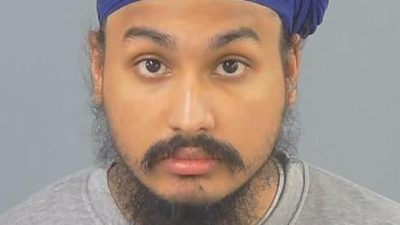
Constantvpn.com – Vickrum Digwa, the man convicted of murdering student Henry Nowak, has filed an appeal against his life sentence with a minimum term of 21 years. The Court of Appeal confirmed the appeal, which could challenge both the verdict and the severity of the punishment. Digwa was initially sentenced in June after the fatal stabbing of the 18-year-old in Southampton last December. The Solicitor General, Ellie Reeves, had already flagged the sentence as “unduly lenient,” raising concerns about its adequacy for the crime committed.
The case took a dramatic turn when Digwa’s actions were revealed to include deception. After the attack, he falsely claimed to be a victim of a racist incident, downplaying his role in the murder. This lie sparked public outrage, particularly after police bodycam footage emerged. The footage showed officers failing to provide immediate medical assistance to Henry as he lay dying, instead handcuffing him while he struggled to breathe. The sequence of events, captured on camera, raised questions about the responsiveness of the police and the treatment of the victim.
“The difference between the way the killer and his son were treated was unbearable,” said Henry’s father, Mark Nowak, during the sentencing hearing. His words underscored the emotional weight of the case and the sense of injustice felt by the family and supporters.
Digwa’s appeal comes amid a broader scrutiny of the incident. The Independent Office for Police Conduct has launched an investigation into two officers, examining potential breaches of conduct. The probe includes allegations that the officers did not recognize Henry’s urgent need for medical care, dismissed his claim of being stabbed, and opted to arrest him rather than administer first aid. The watchdog is also assessing whether race or religion influenced the officers’ decisions, adding a layer of complexity to the case.
Following the release of the bodycam footage, protests erupted in Southampton on 2 June. Demonstrators gathered outside the city centre police station, then moved toward the Digwa family home. The unrest led to injuries, with twelve police officers and a dog sustaining harm during the clashes. Seventeen individuals have been charged with involvement in the disorder, including acts of violence and property damage. The protests highlighted public frustration over the perceived inaction of the police and the disparity in how the killer and the victim were handled.
In the wake of the incident, leaders within Southampton’s Sikh community called for calm and unity. The Council of Southampton Gurdwaras, representing the city’s Sikh population, issued a statement condemning Digwa’s actions. They emphasized that violence should not be tolerated, regardless of the circumstances. The community’s response reflected a broader societal demand for accountability and justice, with many expressing solidarity with Henry’s family.
The appeal process has now entered a new phase. While no specific date has been announced for the hearing or the potential increase in Digwa’s sentence, the legal team is expected to present arguments challenging the conviction. The case has also drawn attention to the role of the mother, Kiran Kaur, 53, who was found guilty of aiding the offender by hiding the knife used in the attack. She is set to receive her sentence on 17 July, adding another dimension to the family’s legal battles.
Henry Nowak: A Life Cut Short
Henry Nowak, a student at the University of Southampton, was a 18-year-old whose life was tragically ended in a December attack. The incident not only devastated his family but also ignited a national conversation about police conduct and racial bias. His death became a symbol of the broader tensions surrounding the treatment of young people in public spaces.
The investigation into the police’s actions has intensified, with the Independent Office for Police Conduct focusing on three key areas: the failure to provide immediate first aid, the decision to arrest Henry despite his inability to breathe, and the dismissal of his claim of being stabbed. These factors have been central to the public’s demand for a thorough review of the officers’ behavior. One of the officers is also under scrutiny for potentially violating conduct standards by not taking Henry’s account of the attack seriously.
Henry’s father, Mark Nowak, has been vocal about the emotional toll of the case. His statement at the sentencing hearing captured the anguish of a family grappling with loss and injustice. The father’s words resonated with many, as they highlighted the personal impact of the legal proceedings and the public’s demand for transparency.
Protests and Public Reaction
The release of the bodycam footage on 2 June triggered widespread demonstrations in Southampton. Activists and residents took to the streets, demanding answers about the officers’ actions and a fairer justice system. The protests, which began at the police station, quickly spread to areas near the Digwa family home, drawing crowds that expressed both anger and grief.
Among the most notable outcomes of the protests was the imprisonment of 17 individuals for their involvement in the disorder. These arrests have further fueled debates about the balance between public safety and the right to protest. Meanwhile, the Sikh community, which had initially supported the protests, urged members to maintain peace and harmony, stressing the importance of unity in the face of injustice.
Political figures have also weighed in on the case. Prime Minister Rishi Sunak called for a legacy for Henry Nowak that extends beyond tragedy, highlighting the need for systemic change. Sir Keir Starmer, the leader of the opposition, emphasized that the case raises serious questions about how the police responded to the emergency. These statements reflect the national significance of the incident and its role in shaping public discourse on accountability.
Additional attention has been drawn to a woman who was wrongly identified as an officer in the footage. She expressed fear for her safety during the protests, adding a personal element to the collective outrage. The case has also become a focal point for discussions on racial profiling, with some arguing that the officers’ actions were driven by prejudice rather than procedure.
Legacy and Impact
As the appeal process unfolds, the case continues to serve as a reminder of the importance of justice and transparency. Henry Nowak’s murder has left a lasting mark on his community and the nation, prompting calls for reform and a deeper examination of police conduct. The events of December and the subsequent legal battles have exposed vulnerabilities in the system and sparked a renewed commitment to ensuring that victims are treated with dignity and fairness.
The case also underscores the role of media in shaping public perception. The release of the bodycam footage brought the incident into sharp focus, allowing the public to witness the critical moments of Henry’s death. This has been instrumental in maintaining pressure on authorities to deliver a just outcome. Meanwhile, the legal team for Digwa is expected to present arguments that could either overturn the conviction or reduce the sentence, depending on the evidence they provide.
With the Court of Appeal now involved, the case has entered a new stage. The potential for a retrial or a revised sentence adds uncertainty to the legal proceedings, but it also ensures that the case will be scrutinized from multiple angles. For Henry’s family, the appeal represents hope for a more equitable resolution, even as they continue to mourn the loss of their son.
As the investigation progresses, the question remains: will the system deliver justice for Henry Nowak and his family, or will it be seen as failing to address the deeper issues that led to his death? The answer could have far-reaching implications for the future of policing and community relations in the UK.
