
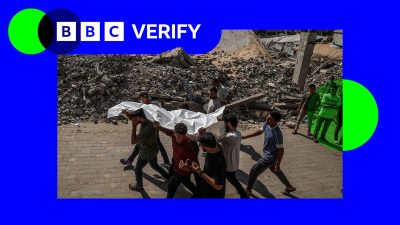
Gaza’s Ceasefire Holds in Name Alone as Monthly Death Toll Exceeds 100
Constantvpn.com – The truce that was supposed to end one of the deadliest conflicts of the modern era has, by most measurable accounts, failed to deliver peace to the people of Gaza. More than 900 Palestinians have lost their lives in Israeli military strikes since the start of this calendar year, according to data released by the territory’s Hamas-administered Ministry of Health. Those figures push the cumulative death toll since the ceasefire took effect on 10 October to over 1,300, of whom at least 301 were children.
The numbers arrive against a backdrop that makes them all the more striking: both sides formally accepted a 20-point peace framework brokered by US President Donald Trump, a plan whose text explicitly called for a halt to “all military operations, including aerial and artillery bombardment.” Yet the sky over Gaza has continued to fill with jets and drones, and the ground continues to shake.
A Pattern of Monthly Carnage
Between April and August, the ministry recorded more than 100 fatalities in every single month. July proved the deadliest stretch of the year, with 152 people killed, including 21 children. The ministry attributes all of these deaths directly to Israeli military action but does not break them down into civilian and combatant categories. The United Nations has judged the ministry’s data to be reliable, and independent analysts have confirmed that their own assessments align with the ministry’s tallies.
The Israel Defense Forces, however, contests the overall picture. In a statement to journalists, the IDF said there is “no basis to assume” that every individual listed was killed as a result of its operations. The military described its own conduct as operating “in a precise manner to remove threats and protect its troops and Israeli civilians, in accordance with the agreement,” while adding that it works to limit civilian harm “to the greatest extent possible.”
What the Videos Show
Independent video analysis of dozens of clips captured since the ceasefire took effect reveals the physical reality on the ground. Footage documents strikes on a beachside café in Gaza City, on tents where displaced families had been sheltering, and on what witnesses described as a funeral procession in central Gaza. In one sequence dated 18 August, emergency crews scramble to reach survivors at the café site, where six people were killed. The following day, a strike on a police headquarters in the al-Tuffah neighbourhood reportedly killed nine people, among them a 13-year-old. The IDF said both incidents were aimed at Hamas commanders and other fighters and that “steps were taken to mitigate harm to civilians.”
Among the single deadliest episodes of July was a strike on a reported funeral procession in the Nuseirat area. Seven people were killed and 22 wounded, according to Al-Awda Hospital, where the casualties were brought.
Context: A War That Already Claimed Tens of Thousands
The current toll sits atop a far larger catastrophe. At the beginning of this year, Israeli media carried reports that a senior Israeli security official had acknowledged more than 70,000 people had been killed across the entire Gaza war, a figure that included over 20,000 combatants. The conflict was triggered by the Hamas-led assault on southern Israel on 7 October 2023, which killed approximately 1,200 people and saw 251 taken hostage. From the ceasefire’s inception on 10 October through the end of that month, the ministry recorded 251 deaths — a pace that has not slowed since.
Targeted Strikes and the Question of Proportionality
Conflict-monitoring organisation Acled, which cross-references official statements, media coverage, and social-media posts to verify attacks, has logged roughly 200 Israeli strikes during the ceasefire period that reportedly killed Hamas operatives or other armed “militants” in what were described as targeted operations. Among those struck, Acled noted, were commanders involved in planning the October 2023 attack that ignited the war.
The IDF separately stated that five of its soldiers have been killed in combat since the ceasefire and that one contractor died in an “operational accident.” It also claimed to have killed hundreds of military operatives in the period since October.
Analysts Warn the Truce Is Collapsing in Practice
Hugh Lovatt, a senior policy fellow at the European Council on Foreign Relations, offered a blunt assessment of the situation:
“Gaza has seen a ceasefire in name only.”
He pointed to the near-daily cadence of air and drone strikes and added:
“Though it claims to be targeting Hamas or imminent threats, it is Gaza’s civilians that have continued to bear the brunt.”
Lovatt warned that the persistent killing could become a “central stumbling block” in the international effort to implement the terms of Trump’s ceasefire deal. For a population that has endured over two years of bombardment, displacement, and infrastructure collapse, the distinction between a ceasefire on paper and one on the ground is not academic — it is the difference between survival and annihilation.
The IDF, for its part, told journalists it “remains committed” to the ceasefire agreement while citing “continued violations and threats posed by Hamas and other terror organizations” in Gaza as justification for ongoing operations. Whether that commitment translates into a meaningful reduction in strikes — or merely into a different vocabulary for the same bombardment — remains the central question facing both the people of Gaza and the international community attempting to enforce the deal.
Related Reading
Frequently Asked Questions
What is More than 900 killed in Gaza?
More than 900 killed in Gaza is the main topic of this guide. The article explains the context, practical details, and next steps readers should understand.
Why does More than 900 killed in Gaza matter?
More than 900 killed in Gaza matters because readers are looking for a useful answer, not just a short summary. Good content should match search intent and help them decide what to do next.