Laos says it can’t determine cause of tourist deaths linked to methanol
Laos Struggles to Pinpoint Cause of Six Tourist Deaths Connected to Methanol
Investigation Halted by Lack of Autopsies
Laos says it can t determine – Laotian authorities have announced that they are unable to establish the definitive cause of six tourist fatalities that occurred in November 2024. The deaths, which took place after a night out in the popular backpacker destination of Vang Vieng, have been linked to alcohol contaminated with methanol. According to the Laos Ministry of Public Security, officials currently lack sufficient evidence to determine whether the deaths resulted from the actions of any specific individual or from a particular underlying cause.
The primary obstacle to a thorough investigation has been the failure to conduct autopsies on the deceased. In its statement released on Saturday, the ministry explained that authorities were not permitted to perform autopsies in 2024, leaving them without the crucial forensic evidence needed to determine the exact cause of death. The standard timeframe for conducting an autopsy is typically two to three days following death, a window that has now passed for all six victims.
The Victims and Their Backgrounds
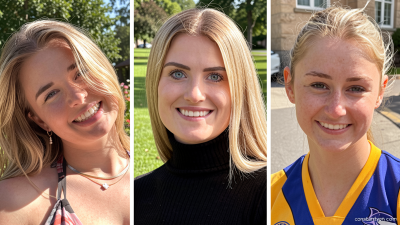
The tragic incident claimed the lives of individuals from four different nations. Among those who perished were two Australian backpackers, a British woman, two Danish citizens, and one American. The victims have been identified as Simone White, a 28-year-old Briton; 19-year-old Australians Bianca Jones and Holly Morton-Bowles; Anne-Sofie Orkild Coyman, aged 20 from Denmark; Freja Vennervald Sorensen, 21, also Danish; and James Louis Hutson, a 57-year-old American national.
Many of the deceased were staying at the Nana Backpacker Hostel during their visit. Reports indicate that guests at the hostel failed to check out after falling ill on November 13, 2024. The bodies of the two Australian victims were eventually repatriated to their home country two weeks following their deaths.
Legal Proceedings and Diplomatic Response
Earlier this week, it was revealed that the owner of the distillery responsible for the contaminated vodka is facing legal charges. However, these charges relate specifically to the sale of food products harmful to health and operating an illegal business, rather than the deaths themselves. The collective penalties for these charges include a potential one-year prison sentence and a fine of £829 (equivalent to US$1,100 or A$1,600) for those found responsible.
The Australian government expressed strong dissatisfaction with the outcome. In response to the situation, officials stated they were “deeply frustrated and bitterly disappointed” that more serious charges had not been pursued following the deaths of the six backpackers. Australia’s foreign ministry took the step of summoning Laos’ ambassador in Canberra to discuss the matter further.
At the time of the incident, Australian media reported that the Australian Federal Police had offered to assist with the investigation but their help was declined. This refusal to accept international assistance has been cited as a contributing factor to the current investigative challenges.
Understanding Methanol Poisoning
It is believed that the victims consumed free shots of vodka that had been tainted with methanol, a toxic substance commonly found in paint thinner. Methanol is occasionally mixed with alcohol illegally as a method to reduce production costs. This poison presents as a colourless liquid with a taste similar to alcohol, and consuming even a relatively small amount can prove fatal.
Once ingested, methanol is rapidly absorbed in the gut within minutes and enters the bloodstream. As the body attempts to clear the toxin, an enzyme in the liver converts it into formaldehyde and formic acid. The symptoms of methanol poisoning can manifest in stages. Early signs appearing 12 to 48 hours after consumption include vomiting, poor judgement, loss of balance, and drowsiness. More severe symptoms may include abdominal pain, vertigo, hyperventilation, breathlessness, blurred vision, blindness, coma, and convulsions.
Vision issues serve as a distinctive warning sign of methanol poisoning. These can range from blurry vision and difficulty looking at bright lights to complete blindness in some cases. Additionally, victims may experience “snowfield vision,” characterized by seeing snowy static similar to an old television, or tunnel vision.
Broader Implications for Tourism
Earlier this year, ten people connected to the Nana Backpacker Hostel were charged with destroying evidence. They received suspended sentences and were each fined $185 (approximately £135). Vang Vieng, a riverside town located in central Laos, remains a significant hub for backpackers travelling across South-East Asia.
Last week, the British government launched a dedicated campaign to warn tourists about the risks associated with methanol contamination. This proactive measure comes as several Southeast Asian nations continue to grapple with fake alcohol-related fatalities. The ongoing investigation in Laos highlights the challenges faced by local authorities when dealing with international tourism incidents, particularly when forensic procedures cannot be completed within the required timeframe.
“Laos says it cannot determine blame or cause for six deaths linked to methanol-tainted alcohol.”
The situation continues to unfold as authorities work to gather additional evidence and potentially reconsider the decision not to conduct autopsies. The case has drawn international attention to the dangers of unregulated alcohol production in tourist destinations and the importance of proper forensic procedures in determining the cause of death in such circumstances.
