Kidnapped Nigerian retired general dies in captivity
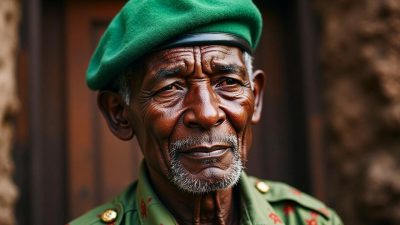
Kidnapped Nigerian Retired General Dies in Captivity
Abduction and Death of High-Profile Officer
Constantvpn.com – A former Nigerian military officer, kidnapped by armed attackers in the nation’s northwest, has succumbed to his injuries while in captivity, according to military officials. Maj Gen Rabe Abubakar, who held a prominent role as military spokesperson from 2015 to 2017, was taken hostage along with his wife during a road trip in Katsina state last month. The incident has raised concerns about the escalating security threats in the region, where criminal groups and militant factions continue to exploit vulnerabilities. The military confirmed the death but provided no immediate details about the circumstances or the group responsible for the abduction.
Security Challenges in Northwest Nigeria
The tragic demise of Abubakar underscores the persistent dangers faced by communities in northwest Nigeria, a region plagued by bandit activity, cattle rustling, and targeted attacks. Local media reports suggest that the general was en route to a wedding on 30 May when his vehicle was ambushed by armed assailants. The attackers reportedly seized him, his wife, and their driver, leaving the family’s fate uncertain. While no group has publicly claimed responsibility, the military has linked the incident to the broader network of criminal gangs operating in the area.
US Airstrike Targeting Alleged Militant Camp
Northwest Nigeria has become a focal point for security operations, with violence intensifying in recent months. A US airstrike in Sokoto state on 25 December last year targeted a suspected militant training ground, highlighting the international attention on the region’s security landscape. The strike was part of a broader effort to disrupt jihadist networks that have been active in the area. However, the presence of such groups alongside bandits has complicated efforts to stabilize the region, with attacks often blurring the lines between political and criminal motives.
Video Evidence and Military Response
Days before his death was confirmed, a video circulated on social media appeared to depict Abubakar in captivity. In the footage, the general is shown with an apparent injury to his left leg, accompanied by his wife and other hostages. The military stated it had chosen to remain silent during the rescue operation to avoid jeopardizing the efforts of security agencies. “To ensure the success of ongoing operations, the Armed Forces withheld public comment while every resource was mobilized to secure his release,” the statement read. The decision to keep the abduction confidential has sparked debate about transparency and public awareness in security crises.
Impact on Military and Community
The loss of Maj Gen Abubakar has been described as a significant blow to Nigeria’s military, which has long relied on his leadership in counter-insurgency campaigns. Local media reported that the general was 61 years old at the time of his death, emphasizing the toll of prolonged conflict on even seasoned personnel. His wife’s current location and condition remain undisclosed, adding to the sense of urgency for rescue missions. Meanwhile, the military has vowed to intensify operations against those responsible, pledging to dismantle networks that threaten national stability.
Legacy and Tributes
A military statement praised Abubakar’s service, highlighting his contributions to the country’s security apparatus. “His unwavering commitment to duty and his dedication to the unity of Nigeria will be remembered as a guiding light for all personnel,” the document said. The general’s death has also prompted mourning among his former colleagues, who described the tragedy as a profound loss for the nation. The military expressed condolences to his family and underscored the importance of his work in maintaining order in a volatile region.
Broader Implications for the Region
The incident has reignited discussions about the effectiveness of security measures in northwest Nigeria, a zone where bandits and militants have grown bolder in their operations. With Abubakar’s passing, the focus has shifted to the families of the abducted and the communities affected by recurring violence. His role as a high-profile figure in the military made his disappearance particularly alarming, as it symbolized the risks faced by even senior officials. The absence of a clear claim from any group has left questions about the coordination and motives behind the attack, though local authorities continue to investigate.
The northwest’s security challenges are not new, but the frequency and scale of attacks have escalated, drawing comparisons to conflicts in other parts of the country. Bandits have increasingly targeted not only civilians but also government officials, using their captives as leverage in negotiations. In recent years, these groups have expanded their reach, sometimes aligning with or being supported by local leaders. The combination of economic hardship and political instability has created fertile ground for such activities, with rural areas bearing the brunt of the violence.
International and Domestic Reactions
The news of Abubakar’s death has drawn attention beyond Nigeria, with international media and analysts scrutinizing the situation. The military’s decision to prioritize rescue efforts over public disclosure has been both praised and criticized, with some arguing that transparency is crucial in maintaining public trust. Meanwhile, domestic critics have called for more resources to be allocated to the region, citing the need for a comprehensive strategy to address the root causes of the violence. The general’s death serves as a reminder of the ongoing struggle to secure peace in northwest Nigeria.
Continuing Efforts and Future Outlook
Despite the setback, the military has reiterated its commitment to resolving the crisis. “Ongoing operations have since been further intensified to bring perpetrators to justice and to dismantle all terrorist networks threatening our nation,” a spokesperson stated. The focus now turns to identifying the kidnappers and recovering Abubakar’s wife, who remains missing. As the search continues, the incident has become a symbol of the complex security landscape in the region, where traditional banditry and modern insurgent tactics converge. The general’s legacy, however, remains intact, with his actions during the abduction underscoring the courage of those who serve in the armed forces.
For the families of the kidnapped, the tragedy has deepened their anxiety and fear. Local leaders have expressed concern over the lack of progress in rescue efforts, urging the military to accelerate its operations. The northwest has seen a surge in attacks, with communities increasingly isolated and vulnerable. As the situation unfolds, the case of Maj Gen Abubakar will likely be a focal point in discussions about how to protect civilians and military personnel alike. The military’s response to this incident will be closely watched, with hopes that it signals a renewed determination to tackle the region’s security challenges.
Stay Informed with BBC Africa
Follow BBC Africa for the latest updates on regional developments and global news. Engage with us on social media platforms to stay connected. Join us on Twitter @BBCAfrica, Facebook at BBC Africa, or Instagram at bbcafrica for real-time coverage and analysis of events shaping the African continent.
