
Israel Election Puts Security and Democracy at the Forefront
Constantvpn.com – Israel heads to polls for pivotal elections as voters weigh national security, military service and the future of democratic institutions. The campaign is unfolding while the country remains deeply affected by the Hamas-led attacks of 7 October and the regional conflicts that followed.
Many Israelis living overseas have returned to vote, with an estimated 70,000 people flying home for the election. Around 500,000 people are voting in a national election for the first time, adding uncertainty to an already closely contested race.
A tight race and difficult coalition talks
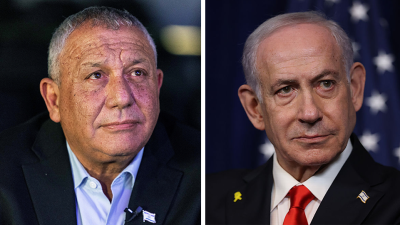
Surveys released on Friday showed Prime Minister Benjamin Netanyahu and former military chief Gadi Eisenkot in a very close contest. Neither side was expected to win the 61 parliamentary seats needed for a majority, meaning negotiations to build a coalition could decide who governs.
Israel’s proportional representation system makes coalition-building central to its politics. Parties can emerge from an election with sharply different priorities yet still need to reach agreements to form a government.
Eisenkot leads Yashar, a party created last year, and is a leading figure in the opposition “change bloc”. The alliance is united by its desire to replace Netanyahu, although its members hold different views on major policy questions.
Its figures include former prime minister Naftali Bennett, Avigdor Lieberman and former general Yair Golan. Whether these leaders can cooperate after polling day may determine if Eisenkot can assemble a governing coalition.
Netanyahu is depending on the parties that support his current government, including ultra-Orthodox and far-right groups. Two Arab political blocs are also competing for seats. Arab citizens account for roughly one-fifth of Israel’s population, and their representation could be significant in a divided parliament, although almost every major Jewish party has ruled out governing with them.
Security dominates the election debate
Israel heads to polls for pivotal decisions with the 7 October attacks at the centre of the political argument. Nearly 1,200 people were killed in the Hamas-led assault and 251 people were taken hostage into Gaza. Opposition politicians say the attacks were an unprecedented security failure and have called for an independent commission of inquiry.
Netanyahu has opposed such an inquiry, arguing that it would be biased against him. He has instead emphasised his security experience, Israel’s strategic actions in regional conflicts and his relationship with US President Donald Trump.
Netanyahu’s long-standing “Mr Security” image remains central to his appeal.
In the final days of campaigning, reports of discussions about possible military action that could have increased tensions with Iran sharpened the security debate. Netanyahu denied seeking action before the election or trying to persuade Trump to approve further strikes on Iran.
He also shared an AI-generated image showing a nuclear blast over Tel Aviv, warning that only he could protect Israel if Iran acquired nuclear weapons. Eisenkot described the message as “hysterical”.
Democracy and military service remain key issues
Israel heads to polls for pivotal choices about its institutions as well as its security. Netanyahu is on trial on corruption charges, which he denies, while his government has continued to pursue judicial changes that prompted large demonstrations before the October attacks.
Critics say the proposed reforms could weaken limits on political power. Supporters argue that the judiciary has gained too much influence. The dispute became one of Israel’s most serious domestic political crises and remains important for voters considering whether to preserve or replace the current coalition.
Military service is another major source of tension. Debate over exemptions for ultra-Orthodox Jewish men has placed pressure on Netanyahu’s allies and raised wider questions about fairness, public responsibility and the demands placed on Israeli society during wartime.
Frequently Asked Questions
Why is this Israeli election important?
The election could determine whether Netanyahu remains prime minister or whether the opposition can form a coalition. It is also a vote shaped by public debate over security, the Gaza war, judicial reform and military service.
What does a party need to form a government in Israel?
A governing coalition needs the support of at least 61 seats in the 120-seat parliament. Because no single party is usually able to reach that total alone, coalition negotiations are often decisive.
What are voters most concerned about?
Security following the 7 October attacks is a central concern. Voters are also considering accountability, democratic institutions, judicial reform and the question of military service exemptions.