
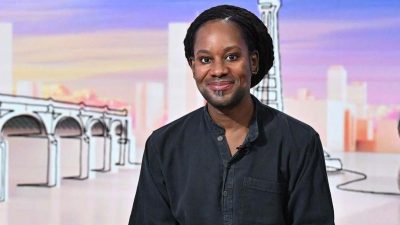
Cambridge Vice-Chancellor Backs Independent Probe Into Professor’s Appointment
Constantvpn.com – The leader of the University of Cambridge has voiced support for an independent examination into the hiring of Jason Arday, acknowledging that her own concerns mirror those expressed by staff and the broader academic community. Professor Deborah Prentice, the institution’s vice-chancellor, wrote to employees expressing solidarity with the “anger and anxiety” generated by what she described as a “damaging and difficult case.”
Arday stepped down from his position as professor of sociology of education last week following accusations of plagiarism and doubts surrounding certain professional accomplishments. The 41-year-old academic, who made history in 2023 as Cambridge’s youngest black professor, maintains that no plagiarism occurred. He characterized the recent controversy as producing “an unrelenting level of public scrutiny and personal attack” on his character and work.
A Commitment to Transparency
In her correspondence with university personnel, Prentice emphasized that the forthcoming inquiry would operate independently. She noted that senior scholars from both inside and outside Cambridge would conduct the review, which would commence “as soon as possible.” The investigation will examine the conditions surrounding Arday’s 2022 appointment by the faculty of education, as well as his nearly four-year tenure at the institution.
“I fully understand the concerns being raised across the University and well beyond it, regarding Jason Arday’s appointment and I share them… We will now investigate the circumstances around his appointment by the faculty of education back in 2022 and his time here in Cambridge since his appointment nearly four years ago.”
The vice-chancellor further clarified that the investigation’s conclusions would guide a broader assessment of how senior academic positions are filled at Cambridge. She stressed that the outcome should not undermine the credibility of minority scholars within the university.
“Our staff of colour are highly valued, for their scholarship, their achievements, and the contributions they make,” Prentice stated. “The case should not be used to cast aspersions on their work or the legitimacy of their roles at Cambridge.”
Background on the Allegations
Cambridge had previously confirmed that accusations concerning plagiarism in Arday’s doctoral thesis and several journal articles had been reviewed by Liverpool John Moores University and the relevant publications. LMJU, which granted Arday his PhD in 2015, concluded after examining the claims made last year that he had not engaged in plagiarism.
In a separate interview, Arday offered additional context for his academic journey. He argued that he received insufficient supervision during his doctoral studies, attributing this to his autism and what he described as “learning disabilities.” This explanation provides insight into how he navigated the rigorous demands of academic research.
Before pursuing higher education, Arday worked as a physical education teacher. His academic career progressed through several institutions: after completing his doctorate at LMJU, he became an associate professor at Durham University before taking his position at the University of Glasgow. Glasgow has also initiated a review of his time there.
Questions About Institutional Oversight
While Cambridge announced its own investigation, some academics advocated for greater independence, questioning whether the university could fairly examine its internal procedures. It remains uncertain how the independent investigation will function or which scholars will direct it.
Cambridge has advised individuals with concerns to contact the appropriate institution or submit complaints through established channels. The university’s decision to pursue an independent review reflects growing expectations for accountability in academic governance, particularly when high-profile appointments come under scrutiny.
When announcing his departure, Arday made clear that his resignation did not constitute an admission of wrongdoing. He stated that he was not a “liar” and emphasized that his decision to leave “should not be mistaken for an acceptance of the narratives that have surrounded me.” This distinction highlights the difference between stepping aside to allow for thorough examination and conceding to allegations.
The situation underscores broader conversations about how universities handle controversies involving minority scholars, balancing the need for rigorous investigation with the risk of casting doubt on the legitimacy of diverse academic voices. As Cambridge moves forward with its inquiry, the academic community will be watching closely to see how the process unfolds and what reforms may emerge from the findings.
Related Reading
Frequently Asked Questions
What is I share concerns over Arday appointment?
I share concerns over Arday appointment is the main topic of this guide. The article explains the context, practical details, and next steps readers should understand.
Why does I share concerns over Arday appointment matter?
I share concerns over Arday appointment matters because readers are looking for a useful answer, not just a short summary. Good content should match search intent and help them decide what to do next.