
Earl Spencer Repeats Claim Over Charles Call After Diana’s Death
Constantvpn.com – Earl Spencer has firmly restated his account of a telephone conversation with King Charles in the aftermath of Princess Diana’s death, insisting that a disputed remark attributed to the then-Prince of Wales was said exactly as he remembers it.
In his forthcoming book, Swan Song: Diana, My Sister, Diana’s younger brother describes an argument about the funeral procession in September 1997. He says he objected to Princes William and Harry, then 15 and 12, walking behind their mother’s coffin. During that conversation, he alleges Charles said:
“We’ll forget her soon enough.”
The claim prompted an unusually forceful response from Buckingham Palace, which said the King recognised that the anguish of losing a sibling could influence memories, judgement and recollection, even long after a bereavement.
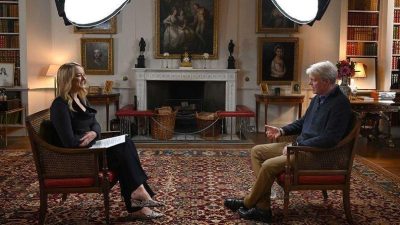
Spencer rejected that suggestion in his first interview after the Palace statement. Speaking from Althorp, the Northamptonshire estate where Diana is buried, he said he had no uncertainty about the exchange.
“I can tell you here and now, those are exactly the words he said.”
He said that he had spoken with Prince Charles by telephone only twice in his life, making him especially attentive to what was said during the call. Spencer maintained that he had been “hyper alert” and repeated that the phrase was not an interpretation or a later reconstruction.
A Dispute Rooted in the Funeral Arrangements
The disagreement concerns one of the most enduring images from Diana’s funeral: William and Harry walking behind her coffin with their father, uncle Earl Spencer, Prince Philip and others. Diana died in a car crash in Paris on 31 August 1997, aged 36.
Her death brought intense public mourning and an atmosphere of deep anger toward the Royal Family, whose early public response was widely viewed as distant from the mood across the country. The funeral, held days later, became a defining national event, with the sight of the two young princes drawing particular sympathy.
Spencer says he believed Diana would not have wanted her sons to take part in the procession in that way. In the account described in extracts from his book, he says Charles reacted angrily to his concerns, criticising the Spencer family’s sense of duty.
Spencer recalled that Charles “went ballistic” and continued in what he called a rant. He said he expected the conversation to become more measured after a pause, but instead heard the remark that continues to fuel the present dispute.
“And then he stopped and I thought, oh now, now he’s gonna pull himself together and say something more appropriate. And then, he said, ‘we’ll forget her soon enough’.”
He said the words left him stunned. After a brief silence, Spencer says he responded by saying he could not believe what had just been said before ending the call.
Asked whether he could substantiate his memory, Spencer said he told relatives and friends about the conversation at the time because he found the alleged comment so shocking. He also argued that the Palace response did not amount to a direct denial.
“I’m telling the truth.”
Buckingham Palace did not issue a further response after Spencer repeated the allegation.
New Book Revisits a Painful Period
Swan Song: Diana, My Sister is due to be published next week and is expected to offer a highly critical view of the Royal Family’s handling of the period surrounding Diana’s death. The book revisits events that remain emotionally charged for those closest to her, as well as for the public who followed the crisis in 1997.
In other published extracts, Spencer writes about receiving news of the crash while he was at home in Cape Town, South Africa. He says his sister Jane called him during the night, and that Charles later contacted him.
Spencer contrasts that call with the reactions of other people who reached him following the crash. He alleges that Charles sounded unusually upbeat, describing the impression in stark terms.
“Unlike my other callers, who were stunned, barely able to articulate their condolences and offers of help, he sounded giddily elated – like a lottery winner, I remember thinking at the time.”
These claims are likely to renew scrutiny of the difficult relationship between Diana’s family and the institution she joined through marriage. Spencer’s funeral address in 1997 was itself an emotionally charged moment, giving voice to the anger and sorrow felt by many at the time.
The Lasting Question Over William and Harry
The question of whether the young princes should have been in the procession has remained part of the wider discussion around Diana’s funeral for nearly three decades. Prince Harry has spoken publicly about the experience, saying no child should be expected to walk behind a parent’s coffin in those circumstances.
At the same time, Harry has also expressed a more nuanced view. In 2017, he said he did not have a settled opinion on whether the decision was right or wrong, but added that he was glad, in retrospect, to have participated in the day.
For many people, the procession represents both a moment of public solidarity and a painful reminder of the pressures placed on two grieving children. Spencer’s account gives fresh prominence to the private arguments that may have surrounded the public ceremony.
The dispute also highlights how memories of profound loss can remain contested long after the event itself. Spencer’s position is unequivocal: he says the words in question were spoken. The Palace has challenged the reliability of that recollection without offering a detailed alternative account, leaving the claims at the centre of a renewed and deeply personal royal controversy.
Related Reading
Frequently Asked Questions
What is I m telling the truth?
I m telling the truth is the main topic of this guide. The article explains the context, practical details, and next steps readers should understand.
Why does I m telling the truth matter?
I m telling the truth matters because readers are looking for a useful answer, not just a short summary. Good content should match search intent and help them decide what to do next.