Heatwave reveals lost archaeological sites across Wales
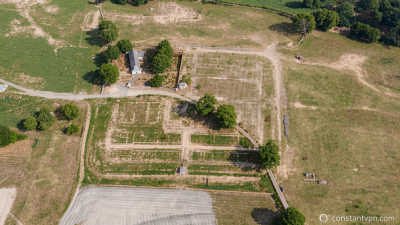
Wales’ Ancient Heritage Emerges from Parched Earth
Constantvpn.com – A remarkable transformation has taken place across the Welsh landscape, as prolonged periods of intense heat and arid conditions have unveiled centuries of buried history. The nation has experienced approximately five percent of its typical July precipitation, following an extended sequence of scorching temperatures and a notably drier spring and early summer. This unusual weather pattern has even prompted drought warnings in certain regions of Wales.
Aerial Windows into the Past
Archaeological specialists have noted that these exceptional dry spells have exposed a diverse collection of concealed historical features. Among the discoveries are Roman-era structures and military training trenches dating back to the First World War. Many of these ancient formations are only detectable from above, appearing as distinctive patterns within agricultural fields and natural grasslands. According to the Royal Commission on the Ancient and Historical Monuments of Wales, several of these sites have remained invisible to modern observers for “two or three decades” before their recent emergence.
The phenomenon occurs through a fascinating natural process. When vegetation grows over ancient ditches and fortifications, it accesses superior nutrient levels and moisture reserves that have been preserved within these buried features. This results in patches of greener, more vigorous plant growth that create visible outlines against the surrounding landscape. However, these temporary markers can vanish just as rapidly as they appear when atmospheric conditions shift.
Accelerated Discovery Timeline
Archaeologist Dr Toby Driver has been working urgently to document and analyze these monuments before the weather changes. He explained that specialists typically needed to wait five to seven years for “a record heatwave summer for aerial archaeology,” but now such opportunities arise “every year.” This acceleration has allowed for unprecedented documentation of Welsh heritage sites.
“This year has been pretty windy across Wales, so some of the longer trips to record cropmarks have made for challenging flying,” Driver noted. “Sometimes the cropmarks are so clear they jump out as we orbit the aircraft around to photograph them. But some parts of Wales are now so dry that the cropmarks can be faint and pretty hard to see.”
When visibility becomes difficult, researchers employ digital techniques to enhance the images. Driver added: “In these cases we digitally rebalance the colour bands of the image, really making the archaeology ‘pop’ and reveal previously hidden details – these images appear as black and white.”
Notable Discoveries Across Wales
The national archive for Wales’ historic environment has published photographs documenting Dr Driver’s findings, captured during aerial surveys departing from Haverfordwest and Caernarfon airport throughout June and July. The eastern and north-eastern regions of Wales have experienced particularly dry conditions since mid-May, while western and southern areas remained comparatively moist and verdant.
However, the succession of heatwaves during late June scorched grasslands throughout the country, exposing “monuments ranging from prehistoric long barrows and forts to Roman buildings and even First World War practice trenches.” Among the most significant discoveries is a rectangular Neolithic long barrow in Welshpool, Powys, dating approximately 5,000 years into the past. Meanwhile, fresh information has been gathered regarding buried Roman structures at the Caerhun Roman fort in Conwy.
Additional remarkable finds include dramatic parchmarks revealing First World War training trenches beneath a Deganwy golf course, and a previously undocumented Iron Age or Romano-British double-ditched farmstead near Llandysul in south Ceredigion. Researchers also identified what may be an Iron Age cattle corral, estimated at 2,000 years old, situated in dry pastureland close to Lampeter.
These extraordinary revelations demonstrate how climate patterns can serve as natural time machines, bringing Wales’ rich archaeological heritage into view for contemporary study and appreciation.
Related Reading
Frequently Asked Questions
What is Heatwave reveals lost archaeological sites across?
Heatwave reveals lost archaeological sites across is the main topic of this guide. The article explains the context, practical details, and next steps readers should understand.
Why does Heatwave reveals lost archaeological sites across matter?
Heatwave reveals lost archaeological sites across matters because readers are looking for a useful answer, not just a short summary. Good content should match search intent and help them decide what to do next.
