Gannet colonies could take 15 years to recover from bird flu
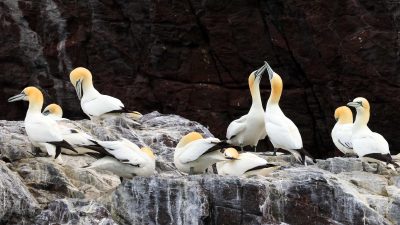
Gannet Colonies Could Take 15 Years to Recover from Bird Flu
Constantvpn.com – The 2022 H5N1 bird flu outbreak has left two of the world’s most significant gannet colonies in a vulnerable state, with experts predicting a prolonged recovery period spanning over 15 years. A new study conducted by the Royal Society for the Protection of Birds (RSPB) highlights the long-term consequences of the pandemic on seabird populations, particularly those on Bass Rock and Grassholm. These colonies, which serve as critical breeding grounds, have experienced unprecedented losses, raising concerns about their future viability and the broader implications for marine ecosystems.
The Viral Threat: A Global Crisis
The H5N1 bird flu virus, first identified in poultry in Asia in 1996, has since spread to wild bird populations across continents. Its ability to mutate and adapt has made it a formidable threat to avian species, with severe consequences for colonies that rely on stable breeding conditions. In 2022, the virus reached the shores of Scotland and Wales, striking the gannet populations at Bass Rock and Grassholm with devastating force. These two locations, respectively home to the world’s largest and one of the most prominent gannet colonies, became focal points of the outbreak’s impact.
The study’s findings reveal that the H5N1 virus caused a fourfold increase in adult gannet mortality during the 2022 outbreak. This spike in deaths led to a staggering 26% reduction in Bass Rock’s colony size and a 38% decline at Grassholm. While previous reports had documented the virus’s widespread destruction of bird life, the RSPB’s research underscores how these specific colonies are at risk of long-term damage. The loss of breeding adults, which are crucial for sustaining population growth, has created a ripple effect that may take decades to reverse.
Bass Rock: A Sentinel of Survival
Bass Rock, a rugged island three miles off the coast of North Berwick, has long been a sanctuary for northern gannets. For centuries, it has been a hub for these birds, with the Hamilton-Dalrymple family owning the land for 320 years. However, the 2022 bird flu outbreak disrupted this natural cycle, leaving the island’s gannet population in a precarious state. The RSPB Scotland, which recently acquired the island, is now tasked with monitoring its recovery and implementing measures to protect the species.
Grassholm, located off the Pembrokeshire coast in Wales, is another vital breeding site. Known for its dense gannet colonies, the island faced similar challenges during the outbreak. The combination of environmental stressors and the virus’s rapid spread created a perfect storm for seabird populations. Researchers emphasized that the outbreak’s effects extend beyond immediate mortality, with long-term consequences for colony dynamics and genetic diversity.
“The bird flu outbreak in 2022 dealt an unprecedented deadly blow to UK seabirds,” said Jude Lane, the lead author of the study and a marine conservation scientist at the RSPB. “These findings show that key gannet colonies on Bass Rock and Grassholm will be impacted for decades to come.” Lane’s comments highlight the urgency of conservation efforts, as the virus not only threatens individual birds but also the ecological balance of these regions. The RSPB’s research warns that without intervention, the colonies could face irreversible damage, potentially leading to a reclassification of the Northern gannet’s conservation status.
Conservation Challenges and Ecological Impacts
Recent surveys have painted a grim picture for UK seabirds, with many breeding populations showing signs of decline. The loss of gannets, which play a crucial role in marine food webs, could have cascading effects on the ecosystems they inhabit. These birds feed primarily on fish, and their dwindling numbers may disrupt predator-prey relationships, affecting other marine species and the overall health of the environment.
The study’s authors caution that the current IUCN Red List status of Northern gannets—classified as “least concern”—may no longer be accurate. With the outbreak causing a near-third reduction in gannet numbers since its onset, the species’ population stability is now under threat. The RSPB recommends revisiting the conservation status to reflect the severity of the situation, emphasizing the need for adaptive management strategies to mitigate future risks.
While the virus has been a known threat for years, its impact on gannet colonies is particularly alarming. Adult breeding birds, which are the backbone of colony growth, have been disproportionately affected. The study explains that the loss of these individuals has led to a slower reproduction rate, compounding the effects of the outbreak. Conservationists are now calling for sustained monitoring programs to track population trends and identify critical areas requiring intervention.
Future Prospects and Call to Action
Despite the challenges, there is hope for recovery. The RSPB’s research suggests that with continued efforts, the colonies may rebound by 2041. However, this timeline depends on factors such as the virus’s recurrence, climate change, and human activities. The study serves as a reminder of the fragility of wildlife populations and the importance of proactive conservation.
“While we can’t prevent diseases like bird flu, with long-term monitoring at key colonies and across wider populations, we can better understand the impacts,” Lane added. “With that knowledge, we are in a far better position to address the many other pressures facing seabirds and halt the devastating declines of recent years.” Her words underscore the need for a comprehensive approach to seabird conservation, integrating disease management with habitat protection and climate adaptation.
The RSPB’s acquisition of Bass Rock marks a significant step in safeguarding these critical colonies. By taking ownership, the organization aims to implement targeted conservation initiatives, such as nest monitoring, food supply assessments, and predator control. These measures could help stabilize the population and provide insights into the virus’s long-term effects. However, the study’s authors stress that success will require collaboration between conservation groups, government agencies, and local communities.
As the world grapples with the ongoing threat of H5N1, the plight of gannets serves as a stark example of the virus’s ecological impact. The combined losses at Bass Rock and Grassholm illustrate how even resilient bird populations can be pushed to the brink. The study’s findings not only highlight the need for immediate action but also emphasize the importance of long-term planning in preserving biodiversity. With the right strategies in place, there is potential for these colonies to thrive again, but time is of the essence.
“The bird flu outbreak in 2022 dealt an unprecedented deadly blow to UK seabirds and these findings show that key gannet colonies on Bass Rock and Grassholm will be impacted for decades to come.” — Jude Lane, RSPB Marine Conservation Scientist
The study’s call for a revision of the Northern gannet’s conservation status is a wake-up signal for wildlife experts. While the species remains abundant in some regions, the recent declines underscore the need for a more nuanced assessment. The RSPB and its partners are now working to develop a roadmap for recovery, focusing on both short-term relief and long-term sustainability. The success of these efforts will determine whether gannet colonies can reclaim their former strength or face a prolonged struggle for survival.
As the research continues, the focus remains on understanding the virus’s interactions with seabird populations and mitigating its effects. The lessons learned from the 2022 outbreak could inform future conservation strategies, ensuring that similar crises are met with greater preparedness. For now, the gannet colonies stand as a testament to nature’s resilience—and a reminder of the challenges that lie ahead.
