From mouthwash to hair dye: How weight-loss jabs are changing shopping habits
From Mouthwash to Hair Dye: How Weight-Loss Jabs Are Reshaping Consumer Behavior
Constantvpn.com – Weight-loss injections are gaining traction as a popular method for managing obesity, with over two million Britons now incorporating them into their health routines. These medications, including Wegovy and Mounjaro, target the hormone GLP-1, which plays a role in regulating hunger. Their effectiveness in reducing appetite has not only helped users lose weight but also sparked a noticeable transformation in how they allocate their budgets. The BBC has compiled recent insights from studies to explore the evolving patterns in consumer spending linked to these treatments.
Financial Impacts of Weight-Loss Medications
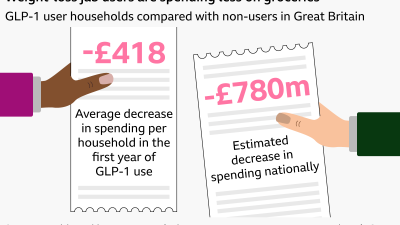
A recent analysis by Worldpanel by Numerator revealed that households with at least one GLP-1 medication user spent an average of £418 less on groceries annually compared to those without. This trend, observed in February data, translated to a national reduction of £780m in grocery expenditures. The findings align with a Cornell University study, published last year, which noted that US households with members on weight-loss drugs saw a 5% drop in grocery spending within six months, with higher-income families experiencing a 8% decline. This suggests a broader economic effect, where users prioritize healthier, more cost-effective food choices while adjusting other expenses.
“This isn’t simply a story of shrinking demand. It’s also a story of shifting demand,” said Nishita Pattni, a senior consultant at Worldpanel by Numerator, highlighting the nuanced impact of these medications on spending habits.
Changes in Food and Beverage Purchases
Worldpanel’s research uncovered specific shifts in how users approach grocery shopping. For instance, individuals on weight-loss jabs reported spending less on calorie-dense items like chocolate, pastries, and soft drinks, while increasing their investment in nutrient-rich foods such as prawns and fruits. This pattern is likely driven by prolonged satiety and a reduced inclination to eat out of habit. Conversely, some products saw a surge in demand. Chewing gum, mouthwash, and hair dyes became more popular, possibly to counteract common side effects like bad breath and hair thinning.
The Cornell study further emphasized this trend, showing that users significantly cut back on savoury snacks, cheese, butter, and eggs. However, they opted for more yoghurt, which is lower in calories but higher in protein. Despite these adjustments, the research also indicated that spending patterns tend to revert to pre-medication levels once users discontinue their treatment. This suggests that the long-term effects on consumer behavior remain uncertain, with some households even leaning toward less healthy food options after stopping the medication.
Cost Concerns and Accessibility Issues
While the financial benefits of weight-loss jabs are evident, their cost presents a challenge for many. In the UK, the majority of patients cover the expense privately, with monthly prescriptions often exceeding £300. A survey by Zava, an online pharmacy service, found that cost was the primary reason users discontinued their medication, underscoring the economic burden. This issue is particularly pronounced in lower-income groups, where the price of these treatments may outweigh the perceived health benefits.
Interestingly, the Health Foundation highlighted a disparity in prescription rates. Data from a private provider showed that affluent regions in the UK have higher average rates of weight-loss drug prescriptions, even though obesity prevalence is lower there. This raises questions about accessibility and whether cost is a barrier for certain demographics, with wealthier individuals more likely to afford these medications and maintain their habits.
Long-Term Trends and Broader Implications
As the popularity of weight-loss jabs continues to rise, their influence on consumer behavior is becoming more pronounced. The shift toward mindful eating—where users base their choices on hunger cues rather than routine—has been reported by over half of those surveyed by Worldpanel. This approach not only affects food purchases but also extends to eating out habits. Nearly two-thirds of users have either reduced or eliminated meals at restaurants, reflecting a growing emphasis on budget-conscious and health-focused lifestyles.
These changes are reshaping retail markets. Grocery stores may need to adapt their product offerings to cater to the demand for low-calorie items, while beauty and oral care sectors could see increased sales of products like mouthwash and hair dyes. Additionally, the trend highlights a potential shift in how society views weight management, with pharmaceutical interventions playing a central role in daily routines. For users, the trade-off between cost and health outcomes remains a critical factor in sustaining long-term treatment adherence.
Experts suggest that the psychological and physiological effects of GLP-1 medications are driving these behavioral changes. By curbing appetite, these drugs encourage healthier eating habits, which in turn reduce grocery expenses. However, the temporary nature of these savings—especially as users may revert to old patterns after stopping treatment—points to a complex relationship between medication and consumer spending. As more people embrace these injections, the retail landscape and public health strategies will need to evolve to accommodate the new norms they create.
The growing use of weight-loss jabs signals a significant transformation in how individuals manage their health and finances. With continued research and data collection, the full extent of these changes will become clearer, offering insights into the intersection of pharmaceutical innovation, consumer behavior, and economic trends. For now, the shift from traditional shopping habits to more mindful, budget-conscious choices remains a defining feature of this emerging health phenomenon.
