Founder of Asian super-app Gojek sentenced to years in jail for corruption
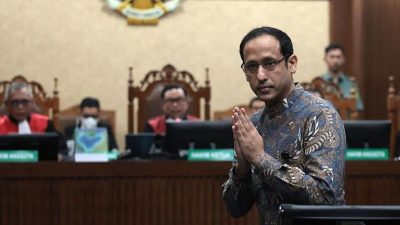
Founder of Asian super-app Gojek Convicted of Corruption, Faces 15-Year Sentence
Controversial Laptop Procurement Sparks Debate Over Political Allegiances
Constantvpn.com – Nadiem Makarim, the co-founder of Gojek, one of Southeast Asia’s most influential tech platforms, has been handed a 10-year prison term for corruption. The verdict, delivered in Jakarta, drew immediate reactions from his supporters, who gathered outside the courthouse to express their discontent. Many among them were seen shouting in protest as the ruling was announced, highlighting the emotional weight of the decision.
The case revolves around allegations tied to a high-profile laptop procurement project led by Indonesia’s education ministry during 2021 and 2022. Prosecutors claimed that the ministry purchased Chromebooks for schools despite having concluded in 2018 that the devices required stable internet access to function effectively. This made them unsuitable for Indonesia’s remote regions, where connectivity is often unreliable. The ministry proceeded with the purchase after Nadiem met with Google representatives in 2020, according to the prosecution.
Nadiem, 41, had previously served as Gojek’s co-founder before transitioning to a government role in 2019. He held the position of education minister until 2024, during which time he maintained a minority stake in the company. The corruption charges stem from accusations that he favored Google, a major investor in Gojek, by shaping tender specifications to align with the Chromebook ecosystem. This, prosecutors argue, was a deliberate effort to ensure Google’s dominance in the country’s education sector.
While Nadiem pleaded not guilty, the court found him guilty of abusing his authority. The panel of judges ruled that although it was not proven he personally enriched himself, his actions created a conflict of interest. The sentence includes a restitution requirement of 809 billion rupiah ($45 million, £34 million), or an additional five years in prison if he cannot meet the financial obligation. Nadiem has stated that the total sentence could effectively amount to 15 years, citing his inability to pay the full restitution amount.
His supporters, many of whom are Gojek drivers, have been vocal in their defense of the co-founder. Before the trial, dozens of them arrived at the Jakarta courthouse with white banners reading “We are with Nadiem” and “Free Nadiem.” The group’s presence underscored the public’s belief in his innocence, despite the charges. During the proceedings, supporters remained in a nearby room, watching the trial live on a screen.
Upon receiving the verdict, Nadiem appeared visibly shaken. He was seen wiping his eyes as he left the courtroom, embracing several of his supporters outside. “I do not know what words I can use to explain how I feel today,” he told reporters, expressing his frustration. “I do not know whom I should ask for help, or where I can seek justice. My only hope is in the Indonesian people, in those who still believe that truth still exists in this country,” he added.
“It’s been difficult for almost 10 months. As a family, we have continued to pray, fight, and stand by him throughout this time,” said Nadiem’s mother-in-law, Sania Makki, during the trial.
The case has ignited broader discussions about the fairness of the Indonesian authorities’ approach to corruption. Critics argue that the prosecution’s case was built on limited evidence and that Nadiem is a target of a political campaign aimed at silencing rivals. They point to the fact that Nadiem’s actions, while controversial, were not definitively linked to personal gain. Instead, they suggest the charges were part of a strategy to undermine his influence and credibility.
Gojek, the app that Nadiem co-founded, serves over 170 million users across Southeast Asia. It offers a range of services, from ride-hailing and food delivery to digital payments and micro-enterprise opportunities. The company’s success has made Nadiem a prominent figure in the region’s tech scene. However, his move into politics has drawn scrutiny, with some viewing his tenure as a blend of corporate and governmental interests.
Prosecutors alleged that Nadiem’s decisions during the procurement process resulted in $125 million in state financial losses. They also claimed he benefited from transactions involving Gojek’s holding company, worth 809 billion rupiah. Nadiem countered these claims, arguing that the Chromebook purchase led to cost savings for the government. He further insisted that the funds in question had never been personally accessed by him, emphasizing that they remained within company accounts.
The verdict has sparked mixed reactions. While some see it as a necessary step to hold officials accountable, others believe it reflects a politically motivated crackdown. Analysts have raised questions about whether the case was used to target individuals who are perceived as critical of the government or its allies. Nadiem’s conviction, they argue, could set a precedent for punishing corporate leaders who take on public roles, potentially creating tension between private enterprise and state institutions.
Despite the ruling, Nadiem has vowed to appeal the decision. He remains optimistic about the possibility of overturning the sentence, stating his belief in the justice system. His supporters, meanwhile, continue to rally behind him, viewing his case as a symbol of the broader challenges faced by those who challenge the status quo. The trial has become more than a legal proceeding; it has evolved into a platform for public discourse about transparency, accountability, and the intersection of business and politics in Indonesia.
As the case unfolds, it highlights the complexities of navigating power and influence in a rapidly growing tech-driven economy. Nadiem’s journey from co-founder of a revolutionary app to minister of education has been marked by both praise and criticism. Now, with a 10-year sentence and significant financial penalties looming, his story serves as a reminder of the high stakes involved in leadership roles that span the private and public sectors.
