Farage declares earning £270,000 for promoting gold bullion
Nigel Farage’s £270,000 Payment for Promoting Gold Bullion Sparks Debate
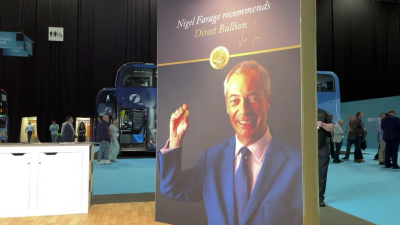
Constantvpn.com – Reform UK’s leader, Nigel Farage, has revealed that he received a substantial payment of £270,000 for endorsing gold bullion through Direct Bullion. This figure, disclosed in his latest financial declarations, marks the highest sum he has recorded since entering Parliament. The revelation has drawn attention to his financial interests, particularly as it coincides with ongoing scrutiny over his business dealings and political contributions.
Financial Disclosures and Work Commitment
According to the records of MPs’ interests, Farage noted that the payment from Direct Bullion was for promotional work estimated to take about four hours per month over a three-month span. This detail places the arrangement in the context of part-time efforts rather than full-time employment. However, the scale of the payment has raised questions about the transparency of his activities, especially as it exceeds the standard reporting thresholds for additional income.
“Nigel Farage clearly has the Midas touch when it comes to lining his pockets instead of doing his day job,” remarked Labour chair Anna Turley. Her statement highlights concerns that Farage’s financial roles may overshadow his parliamentary duties, with critics arguing that such earnings should be more closely examined.
Farage’s spokesperson clarified that the payment aligns with prior reports, stating that the Reform UK leader serves as a brand ambassador for Direct Bullion. The spokesperson emphasized that the arrangement was fully disclosed and consistent with previous declarations, which include a £91,200 payment in February 2025 and a £135,000 payment in November 2025. These amounts, though significant, were part of a broader pattern of financial engagements.
Broader Financial Context
In recent declarations, Farage also recorded an estimated £18,402 for his work as a presenter on GB News. This adds to a list of income sources that include previous earnings from filming personalized messages on the Cameo website, which he had registered as exceeding £80,000. However, in March of this year, he announced a pause in the Cameo service, citing security concerns as the reason.
While MPs are permitted to engage in second jobs, they must report any income surpassing £300 annually. The rules explicitly prohibit them from providing paid parliamentary advice, yet Farage’s diverse income streams have prompted discussions about the boundaries of such activities. Critics argue that his financial roles, including those tied to gold bullion, may conflict with his primary responsibilities as a Member of Parliament.
“He should be focused on putting more pounds back in his Clacton constituents’ pockets rather than racking up payments off the back of gold sales,” Turley added. Her remarks underscore the tension between Farage’s personal financial interests and the expectations of public service.
Controversial £5m Gift Under Investigation
Farage’s financial disclosures have been further complicated by a £5 million gift he received from Christopher Harborne, a cryptocurrency investor and billionaire. This unregistered sum has become a focal point of scrutiny, with calls for an inquiry into its implications. The Parliamentary Standards Commissioner is currently examining whether the gift violated guidelines, as it remains unclear if it qualifies as a political donation.
Farage has defended the gift, asserting that it was not a political contribution since it was given before he was elected to Parliament. He has also argued that the details of how the £5 million was spent are not the public’s business, a stance that has fueled debate about the transparency of his financial activities. The Lib Dems have joined the push for a formal inquiry into the matter, particularly regarding the connection between the cryptocurrency gift and his advocacy for gold bullion.
Gold Bullion and the Midas Touch Narrative
The £270,000 payment for promoting gold bullion has intensified the narrative around Farage’s financial influence. His role as a brand ambassador for Direct Bullion, a company involved in selling gold products, has been presented as a clear example of his ability to generate income through public endorsements. The term “Midas touch” has been used by critics to suggest that his efforts consistently yield substantial returns, often at the expense of his parliamentary role.
Farage’s team has reiterated that the payment was part of a transparent agreement, with the company clearly outlining the terms of his involvement. The focus on gold bullion promotion reflects a strategic alignment with the company’s interests, which may be tied to broader economic or political agendas. This has led to speculation about whether his advocacy for gold serves personal financial goals or public interest.
Political Implications and Public Perception
The combination of high-value payments and the £5 million gift has positioned Farage at the center of a financial controversy. While the rules allow MPs to have secondary incomes, the scale of these earnings has raised eyebrows. The Public Accounts Committee and other watchdogs are now likely to scrutinize his financial disclosures more closely, particularly as they relate to his personal and political activities.
Farage’s defenders point to the necessity of such income sources in a political landscape where personal branding plays a critical role. They argue that the payment for promoting gold bullion is a legitimate part of his professional endeavors. However, opponents insist that the cumulative effect of these earnings, including the £5 million gift, demonstrates a pattern of financial self-interest that warrants deeper investigation.
As the Parliamentary Standards Commissioner delves into the matter, the focus will likely remain on whether Farage adhered to the rules governing MPs’ financial disclosures. The case of the £5 million gift, which remains unregistered, has become a symbol of the broader debate about transparency in political finance. The question of whether these payments influence his decisions in Parliament will continue to shape public perception of his work.
Farage’s financial landscape is increasingly complex, with each new disclosure adding layers to the narrative. The £270,000 payment for gold bullion, while not the only instance of his financial activities, serves as a reminder of the potential for MPs to generate significant personal income outside their official roles. This has sparked conversations about the balance between personal gain and public service, with reformers calling for stricter oversight of such practices.
Looking Ahead: Transparency and Accountability
The ongoing investigation into Farage’s finances is expected to shed light on the extent of his involvement with Direct Bullion and the cryptocurrency gift. With the potential for additional findings, the case may set a precedent for how MPs’ financial interests are managed in the future. For now, the debate around his earnings continues to highlight the importance of transparency in political activities.
As the Reform UK leader navigates these financial disclosures, the spotlight on his roles as a brand ambassador and political figure grows. The public’s interest in understanding how these payments align with his parliamentary work will likely remain a key topic of discussion, especially as the Parliamentary Standards Commissioner works to determine if any rules were broken. The outcome of this inquiry could have lasting implications for the transparency of political finance in the UK.
