‘Extreme’ marine heatwave expected for parts of UK
UK Faces Intense Marine Heatwave with Significant Ecological Impacts
Constantvpn.com – The National Oceanography Centre in Southampton has reported that the UK is bracing for an extreme marine heatwave, which is expected to intensify in the coming days. This phenomenon, driven by a combination of natural weather patterns and long-term climate change, is already affecting marine ecosystems, particularly shellfish populations and predatory octopus numbers.
Heatwave Conditions and Rising Sea Temperatures
According to the Met Office, the current marine heatwave is strongest along the coasts of eastern and southern England. Sea temperatures in these regions could rise by 4 to 5 degrees Celsius above the historical average. Such prolonged periods of unusually warm water are altering the balance of marine life, with some species struggling to adapt while others thrive in the new conditions.
Ecological Consequences of Warming Oceans
Marine habitats like seagrass beds and kelp forests, which have historically thrived in cooler waters, are now under stress. These ecosystems, vital for supporting a range of marine organisms, can experience severe heat stress when temperatures spike. This, in turn, may lead to reduced growth rates or mass die-offs, which could ripple through food chains and affect native species.
One notable effect is the surge in warm-water species, such as octopus, which are becoming more prevalent in UK waters. The rise in octopus populations is linked to the heatwave’s influence, as these creatures are drawn to warmer environments. However, this shift has raised concerns among scientists, who warn that it could disrupt traditional fishing practices and threaten shellfish stocks.
Drivers of the Heatwave
The extreme marine heatwave is being fueled by a series of high-pressure systems, or “heat domes,” that lingered over Europe in May and June. These atmospheric patterns allowed air temperatures to reach record levels, which then transferred heat to the seas. While natural cycles play a role, the underlying trend of ocean warming due to human-driven climate change is making these events more frequent and severe.
For instance, the southern North Sea and English Channel, which are relatively shallow, are heating up rapidly when air temperatures rise. This year’s high-pressure systems have accelerated the warming process, creating conditions that are now comparable to late summer heat. Dr. Zoe Jacobs of the National Oceanography Centre noted, “We’re starting to see temperatures now that we would expect to see at the height of summer, [at the] end of August. So, if this event keeps coming… we might start seeing some serious impacts on ecological systems.”
Species Migration and Ecosystem Shifts
Long-term climate change has been a key factor in reshaping marine life distribution. Cool-adapted species such as cod are increasingly moving northward, while warm-water species, including octopus, are expanding their range into southern England. This dynamic has led to observable changes in the region’s biodiversity, with some species flourishing at the expense of others.
Prof. Matt Frost of the Plymouth Marine Laboratory highlighted the dual nature of these shifts, stating, “It can be exciting to see new species arrive and we all enjoy seeing something like an Atlantic bluefin [tuna] or an octopus, but the problem is we’ve also got the negative impacts of that.” He warned that while octopus populations may benefit fishermen, their increased numbers could outcompete native species like crabs, lobsters, and scallops, which are critical to local fisheries.
Projected Long-Term Trends
Dr. Ségolène Berthou, an air-sea interaction specialist at the UK Met Office, emphasized the growing likelihood of extreme marine heatwaves becoming the norm by the middle-to-end of the century. “We are likely to see marine heatwave conditions becoming average towards the middle-to-end of the century,” she said. “So, this is projected to increase if we don’t cut greenhouse gas emissions.”
This projection underscores the urgency of addressing climate change. Scientists stress that without significant reductions in emissions, the frequency and intensity of these events will continue to rise, further destabilizing marine environments. The UK’s seas have been steadily warming since the 1980s, a trend that is expected to accelerate in the coming decades.
Regional Impacts and Adaptation Challenges
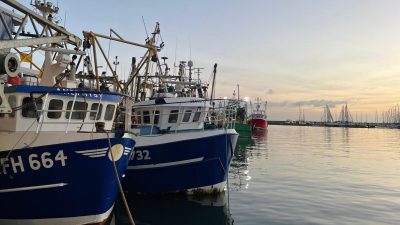
While the heatwave has affected various parts of the UK, its effects are particularly pronounced in the southern North Sea and the English Channel. These areas, which are shallow and highly sensitive to temperature changes, are experiencing rapid warming. Fishermen in affected regions are reporting declining catches of shellfish, with octopus now competing for dominance in the marine food web.
The shift in species distribution is not only ecological but also economic. Some fishermen are seeing opportunities in the growing octopus market, yet others are concerned about the long-term viability of traditional catches. As the heatwave persists, local communities may need to adapt their practices to accommodate these changes.
Broader Implications for Marine Ecosystems
Mass mortality events in seagrass and kelp forests could have cascading effects on marine biodiversity. These habitats serve as nurseries for countless species, and their decline may lead to habitat loss for fish and invertebrates. Additionally, the influx of warm-water species could introduce new diseases or ecological pressures, further complicating the situation.
Researchers are also tracking broader shifts in the UK’s marine life. For example, the “Year of Octopus” has been declared in parts of the region, with record numbers of these creatures reported in southern waters. This trend highlights the changing dynamics of the ocean, where warmer temperatures are driving new ecological patterns and challenges.
Call to Action and Future Outlook
The Met Office and environmental scientists are urging immediate action to mitigate the effects of climate change. While natural factors like heat domes contribute to short-term spikes, the long-term trend of ocean warming is the primary driver. Dr. Berthou’s warning serves as a stark reminder of the potential consequences if emissions are not reduced.
As the UK continues to experience these extreme conditions, the need for sustainable practices and policy changes becomes more pressing. The warming seas are not just a local issue; they are part of a global pattern that threatens marine life worldwide. With the right measures, it may be possible to slow the progression of these changes and protect vulnerable ecosystems.
Additional reporting by Tom Ingham. Readers are encouraged to share their experiences with heatwaves, including any adjustments made to work or living arrangements. The BBC’s Future Earth newsletter, hosted by Justin Rowlatt, offers insights into climate and environmental developments. For international updates, sign up to the global edition of the newsletter.
Related Stories
Record warm seas are facilitating the arrival of extraordinary new species in UK waters, transforming the region’s marine environment. The phenomenon has been dubbed the “Year of Octopus” after unprecedented sightings in south-west England. A simple guide to climate change explains the mechanisms behind these shifts, while Europe’s evolving climate is explored in depth through seven charts highlighting rising temperatures.
Conclusion
The current marine heatwave exemplifies the growing impact of climate change on marine ecosystems. While some species benefit from the warming trend, others face significant threats, disrupting traditional patterns and requiring new strategies for conservation and fisheries management. The combination of natural cycles and human-driven warming is creating a volatile environment, where the line between opportunity and challenge becomes increasingly blurred.
