
Leaked Files Raise Questions Over Abramovich Wealth and Tax Arrangements
Constantvpn.com – Documents from a large offshore-services leak have raised fresh concerns about how assets connected to Roman Abramovich were handled through companies in Cyprus, including allegations that paperwork was altered to reduce tax exposure and remove valuable property from company accounts.
The files concern a network of offshore companies administered from Limassol between 1995 and 2022. They suggest that accounts associated with Abramovich’s Cypriot company, Amiscan Investments, were changed after new transparency rules threatened to make details of his wealth publicly visible.
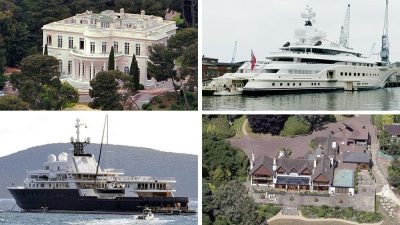
Assets said to have disappeared from the accounts included superyachts, private aircraft and high-value homes. Their combined value was listed at $672m, or about £508m. Among the properties identified were Fyning Hill in West Sussex, a luxury London flat and Chateau de la Croe in southern France.
Allegations over altered records
The allegations centre on documents prepared in 2006, after Cyprus introduced rules requiring company accounts to be publicly available. Draft accounts for Amiscan Investments had been prepared for 2003 but were not yet finalised. Those records included extensive luxury assets linked to Abramovich’s fortune.
The leaked material indicates that documents were backdated and that the ownership position of assets was presented differently in later records. The effect, the investigation found, was to keep major holdings from appearing in company accounts that could be seen by the public.
Andrew Mitchell KC, a barrister specialising in financial-services law, described the evidence as showing a clear case of tax evasion.
“It couldn’t be more blatant.”
The documents also appear to show professional advice being provided on arrangements that could avoid a substantial tax liability connected to Abramovich’s wealth. Deloitte Cyprus signed off on accounts that omitted the assets, while Deloitte and the Cyprus-based corporate-services firm MeritServus had longstanding links to the administration of the oligarch’s offshore holdings.
Responses from Abramovich and Deloitte
Lawyers for Abramovich have rejected claims that he evaded tax or hid his assets. They said there was no proof that he knew about, approved or instructed anyone to falsify documents. The lawyers added that it was legitimate for clients to rely on advice supplied by professional advisers.
Deloitte Cyprus said that it acts in compliance with applicable laws. The allegations nevertheless place renewed scrutiny on the role of accountants, corporate-service providers and offshore structures in managing the wealth of ultra-rich clients.
MeritServus administered companies tied to Abramovich’s global business interests from Cyprus, a jurisdiction that for many years attracted Russian clients and other international investors seeking offshore corporate services. Deloitte owned MeritServus until 2005. Although the firms later separated, the leaked files indicate that they continued working closely with Abramovich’s associates.
From Russian oil deals to offshore structures
Abramovich built a vast fortune after acquiring interests in Russia’s oil industry during the 1990s. Profits from those transactions were subsequently channelled through a web of offshore companies. He has previously denied allegations that his acquisition of a state-owned Russian oil company involved corruption.
For almost two decades, Abramovich was among the best-known Russian oligarchs in Britain. His 2003 purchase of Chelsea Football Club made him a prominent figure in English football, and his funding helped finance the club’s most successful era.
That position changed sharply after Russia launched its full-scale invasion of Ukraine in 2022. The UK government sanctioned Abramovich as an associate of President Vladimir Putin, forcing him to sell Chelsea. Abramovich has been reported to be living in Turkey, which did not impose sanctions on him.
Separately, assets worth £5.4bn remain frozen in Jersey, where a criminal investigation has continued for four years. Abramovich’s legal representatives deny the allegations connected to that inquiry and have said it is politically motivated.
Why the documents matter
The material offers a window into the practical workings of offshore wealth management: companies can hold property, yachts and aircraft; professional firms can prepare accounts and corporate records; and changes to ownership documents can determine whether assets become visible under transparency laws.
For readers, the central issue is not simply the existence of offshore companies. Such structures can have lawful uses. The concern raised by the documents is whether records were deliberately manipulated so that assets and taxable wealth would be concealed from authorities and public scrutiny.
The case also highlights the importance of accurate accounting records. When corporate accounts are incomplete or misleading, regulators, tax authorities and the public can struggle to establish who owns valuable assets, where tax should be paid and whether legal disclosure obligations have been met.
With Abramovich’s assets still subject to sanctions and criminal scrutiny in several jurisdictions, the leaked documents add further pressure for answers about the advisers, companies and financial arrangements that helped manage one of the world’s most closely watched fortunes.
Related Reading
Frequently Asked Questions
What is Documents falsified to evade tax on Abramovich?
Documents falsified to evade tax on Abramovich is the main topic of this guide. The article explains the context, practical details, and next steps readers should understand.
Why does Documents falsified to evade tax on Abramovich matter?
Documents falsified to evade tax on Abramovich matters because readers are looking for a useful answer, not just a short summary. Good content should match search intent and help them decide what to do next.